The Bureau of Labor Statistics reported Wednesday that the consumer price index rose a seasonally adjusted 0.1 percent in July, putting the annual inflation rate at 3.4 percent. Core CPI, which strips out food and energy, climbed 0.2 percent for the month and 2.5 percent over the past year. Both annual figures dropped 0.1 percentage point from June. All readings matched Dow Jones consensus forecasts.
According to CNBC, stock market futures rose after the report dropped and Treasury yields fell across the board. Traders on the CME Group's FedWatch gauge pulled back the probability of a September rate hike to 42 percent. Just a week or so before the report, markets had been pricing in a strong likelihood of a hike at the next policy meeting.
Energy prices fell 1.5 percent in July, following a 5.7 percent drop in June. Despite those two months of declines, energy costs remain 14.7 percent higher than a year ago. That annual increase traces back to sharp gains in earlier months, including a 10.9 percent surge in March following attacks against Iran.
Shelter costs rose just 0.1 percent in July, a modest gain compared to recent months. Even so, the BLS said shelter accounted for roughly two-thirds of the total headline increase. A sharp 2.8 percent drop in lodging away from home costs helped hold that index in check. A measure tracking what property owners could collect in rent rose 0.3 percent.
Other categories were mixed. New vehicle prices edged up 0.1 percent. Used cars and trucks gained 0.4 percent. Medical care rose 0.4 percent. Airline fares jumped 2.2 percent. Food costs increased 0.1 percent.
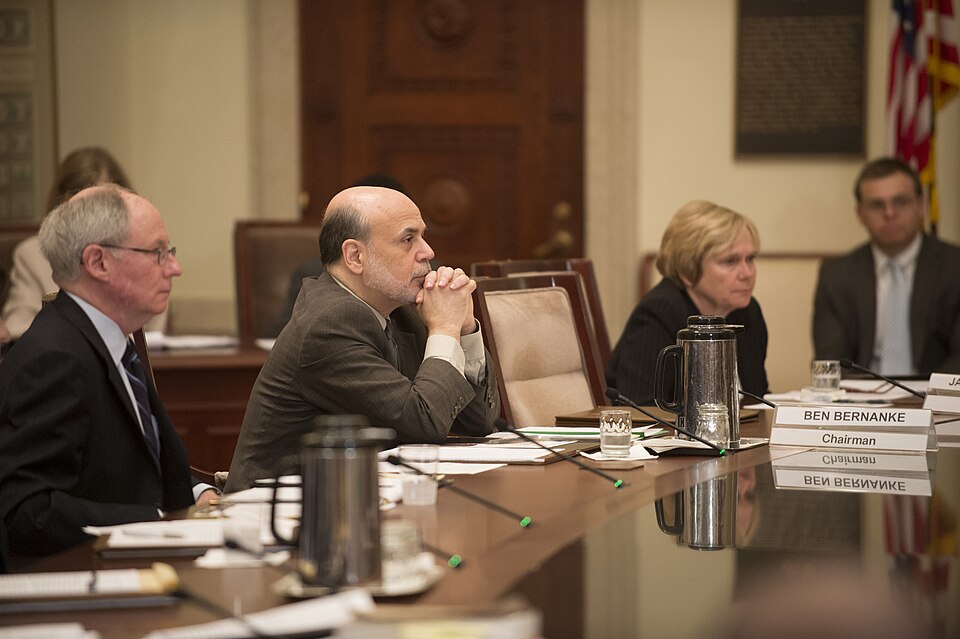
The Federal Open Market Committee voted 9-3 to hold its key interest rate steady at its July meeting, with all three dissenters pushing for a hike. The FOMC does not meet again until September, giving policymakers one additional month of inflation data before any decision.
Ellen Zentner, chief economic strategist for Morgan Stanley Wealth Management, said the report keeps the argument against hiking rates alive for now. "In-line inflation will keep the 'no need to hike rates' narrative that took hold after last week's jobs report intact," Zentner said. "There will be another round of inflation data before the September FOMC meeting, so the storyline could still change. But unless those numbers tell a much different story, the Fed will likely still be in a position to leave rates unchanged next month."
The July jobs report added pressure to that view. The economy shed jobs on net in July, which combined with the swings in energy prices, reduced the urgency around a September hike. The Fed's inflation target remains 2 percent. At 3.4 percent annually, prices are still running well above that goal, though the past two months of tame readings suggest the spike seen earlier in 2026 is losing steam. The next inflation report is due before the September FOMC meeting.