The rapid burst of animal evolution known as the Cambrian Explosion may owe a significant debt to feces, according to a study reported by Ars Technica.
Around 540 million years ago, animal life on Earth diversified at a pace that was extraordinary by geological standards. Simple early organisms branched into a vast array of new forms, filling ecological roles that had never existed before. This event, called the Cambrian Explosion, produced most of the major animal groups that exist today. Scientists have debated its causes for a long time. The new research points to an unlikely contributor: the first poop pellets.
Julien Kimming, a paleontologist at the Karlsruhe Institute of Technology, and Russell Bicknell, a paleobiologist at Flinders University, dug through scientific literature to compile every fossilized digestive system and Cambrian-era coprolite, which is the technical term for fossilized fecal matter, they could find. They tracked how digestive tracts and waste products evolved over time, then compared ancient ocean chemistry with what the deep ocean looks like today.
In modern oceans, feces from organisms ranging from zooplankton to blue whales plays a central role in what scientists call a biological pump. That system moves nutrients including carbon, iron, nitrogen, and phosphorus from surface waters down into the ocean's depths. Without it, deep ocean environments would be far less capable of supporting life.
Before about 540 million years ago, in the period known as the Ediacaran, there was no such pump. Early organisms had not yet evolved true digestive systems, so nothing was sinking nutrient-rich material toward the seafloor.
Kimming and Bicknell argue that once animals evolved the first digestive tracts and began producing waste, that waste drifted downward and began delivering organic material to parts of the ocean that had previously received very little. "The advent of fecal pellets," wrote Kimming and Bicknell, "provided an additional source of organic carbon, as well as iron, nitrogen, and phosphorus, to deeper waters. ... In this framework, fecal pellets significantly boosted support for marine animal life and possibly supported the diversification and increased Cambrian biomass."
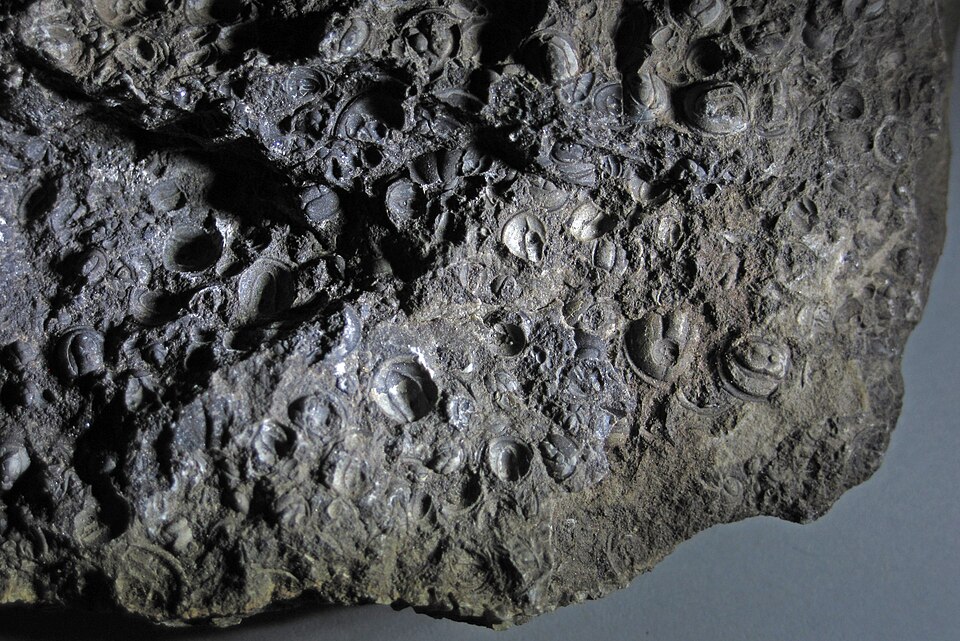
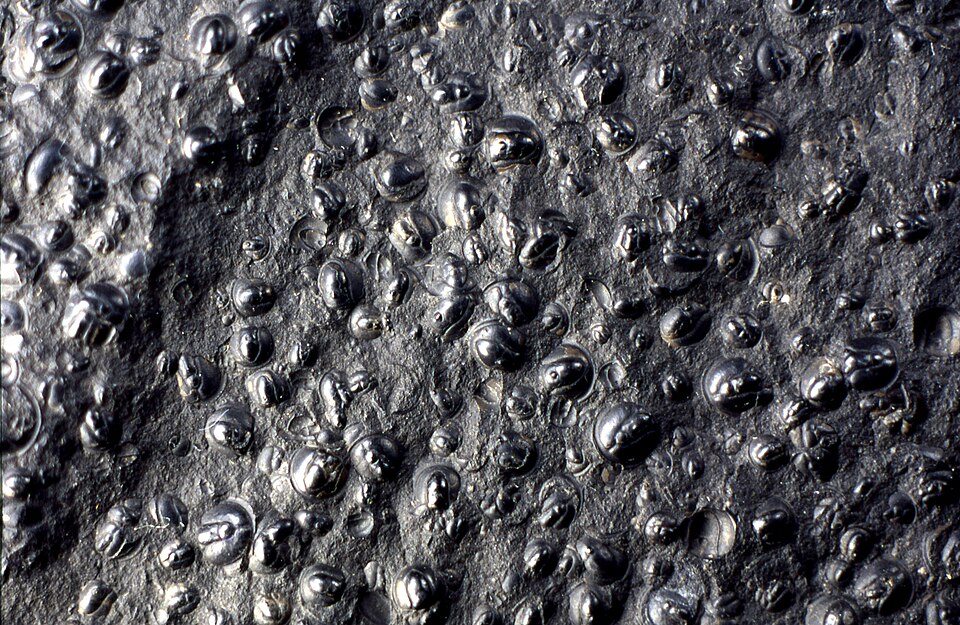
The researchers found fossilized evidence to support the timeline. One coprolite from what is now Australia, dated to between 520 and 506 million years ago, still contains the remains of a trilobite. Another from what is now Greenland, from a similar time period, contains shell fragments.
The study does not claim that feces alone caused the Cambrian Explosion. Other factors, including changes in oxygen levels and ocean chemistry, were also in play. But Kimming and Bicknell's work adds a specific, testable mechanism to the conversation: as soon as animals started digesting and excreting, they began reshaping the ocean's ability to support more complex life.