

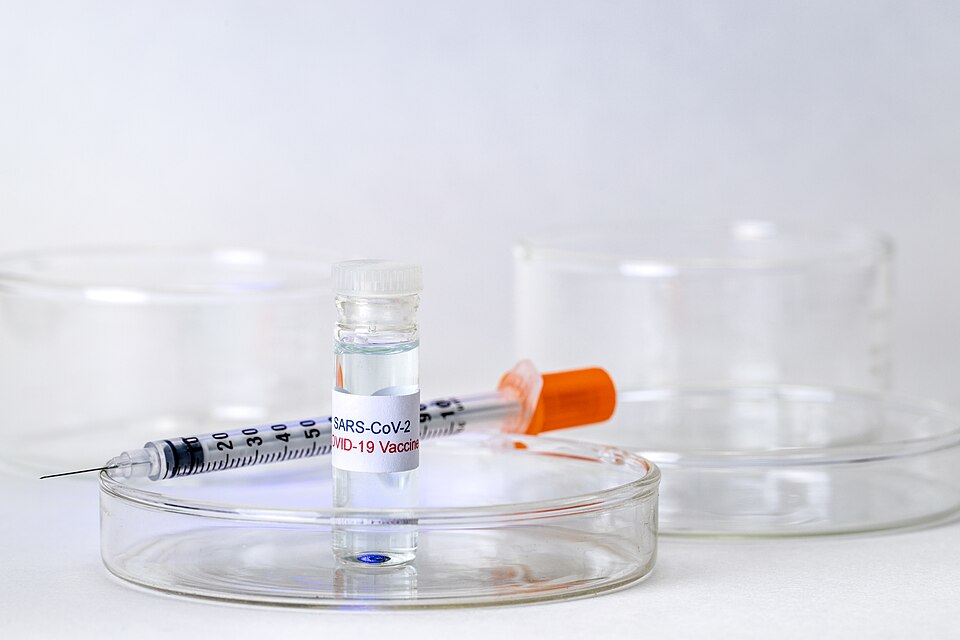
President Trump signed an executive order calling for the measles, mumps, and rubella vaccine to be separated into three individual shots, a move that drew immediate and sharp criticism from medical organizations, independent experts, and, less predictably, the pharmaceutical industry itself.
According to Ars Technica, the order is part of what Trump described as a push for a "gold standard" vaccine policy aimed at reducing the number of vaccines children receive. But the practical effect of splitting the MMR would be the opposite. The current MMR vaccine is given in two doses. Three separate vaccines, given on the same schedule, would mean six injections per child instead of two.
Making that change is not simply a matter of policy. Individual vaccines for measles, mumps, and rubella do not exist in the United States. Pharmaceutical companies would have to develop, test, and bring entirely new products to market, a process requiring significant investment of time and money, and one that would need to be completed with no scientific basis supporting the change in the first place.
The current MMR combination vaccine has decades of safety and effectiveness data behind it. Medical and public health organizations have called the executive order dangerous and unscientific. The American Academy of Pediatrics described the order as "not only disheartening but dangerous." That organization is already leading a lawsuit against earlier changes to federal childhood vaccine recommendations made under Trump and his health secretary, Robert F. Kennedy Jr. In March, the AAP and other medical groups won a temporary injunction reversing most of those earlier changes.
Kennedy, who has no background in science, medicine, or public health, has been a consistent advocate for limiting vaccines. Criticism of the administration's approach to vaccine policy from medical professionals has been ongoing since Kennedy took office.
What made the response to this order different was the speed and directness of pushback from the drug industry. Within hours of Trump signing the order, PhRMA, the leading pharmaceutical industry group whose members include GSK, Sanofi, Pfizer, Merck, Johnson & Johnson, and Novo Nordisk, released a statement saying the order debases America's vaccine policy.
PhRMA's members would theoretically be the companies asked to develop the new individual vaccines the order envisions. Their public rejection of the order's scientific premise signals that the executive order faces obstacles from the industry it would rely on to be carried out, not just from the medical community.