

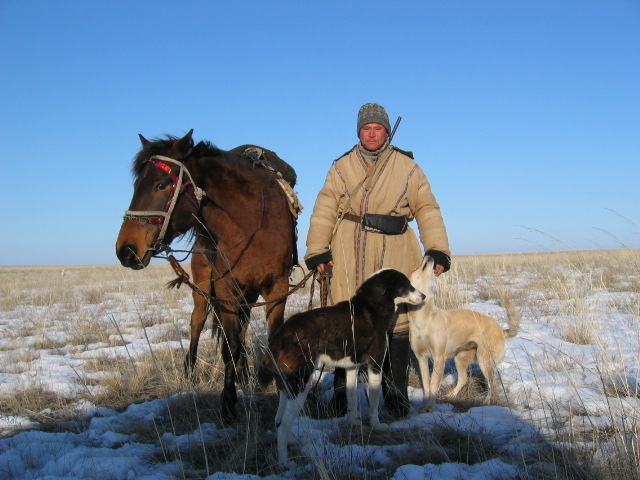
A California goat herding company facing a potential jump in labor costs turned to a prediction market platform to hedge its financial exposure, in an unusual application of Wall Street risk tools for a small agricultural business.
Tim Arrowsmith, owner of Western Grazers, estimates that he currently pays at least $70,000 per year for each herder when factoring in flight tickets and visa costs. His company runs about 4,000 goats and employs eight herders, each paid $60,000 a year. The goats eat vegetation to help prevent wildfires.
The financial threat came when a California wage exemption for goat herders expired on June 30. Under a 2016 assembly bill that now applies to his workers, herders must be paid a set wage for being on-call 24 hours a day. According to estimates from the California Farm Bureau, that works out to about $20,000 a month per worker, potentially pushing annual costs to $240,000 per herder. The 2016 bill excludes sheep herders from the higher wage requirements, despite a 2026 state-mandated study from the University of California, Davis finding that working conditions for both sheep and goat herders overlap.
"The legislature has their study. They have the data. It's simply the lack of will to do the right thing and to make a simple fix," Arrowsmith said.
A New York-based startup called Castle discovered Arrowsmith's situation through an AI tool that was scraping news to find businesses facing financial risks. Founded by four Stanford graduates and backed by Ribbit Capital, Castle helps businesses of any size protect against risks that traditional insurance may not cover. The company sent Arrowsmith a cold email.
"We were fortunate enough to get a response, and then we got on a call with him, and we were really, really moved," said Lucas Cavalieri, co-founder and CEO of Castle. "We really put in the effort to try to provide some sort of coverage for him."
Arrowsmith had no prior knowledge of Kalshi or that a hedge for his situation could even exist before Castle reached out. He agreed to the deal anyway, facing the prospect of selling his goats and laying off his herders.
"[Hedging] wasn't something we went looking for," Arrowsmith said. "This is a whole new education for me."
Castle worked with trading firm Susquehanna to structure the hedge through Kalshi, a prediction market platform where users can take positions on the outcomes of real-world events, including legislative ones. In this case, Western Grazers hedged on the outcome of California's legislature. Castle declined to say how much it earned from arranging the deal.