A drug that costs less than ten cents a day reduced hospitalizations for heart failure patients by 25 percent, according to new research from the University Medical Center Groningen in the Netherlands. The findings, published in Nature Medicine and the Journal of the American Medical Association, were also presented at the ESC Heart Failure Congress in Barcelona.
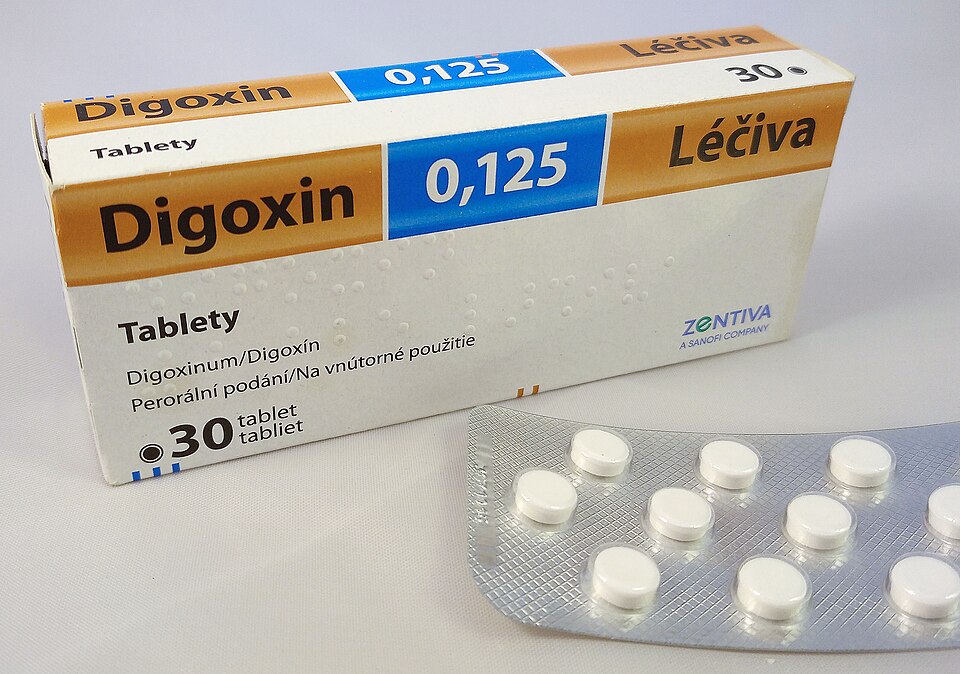
The research was led by UMCG cardiologists Dirk Jan van Veldhuisen, Kevin Damman, and Peter van der Meer. Digoxin is not a new drug. It has been used to treat heart conditions for centuries, but it had largely fallen out of favor as newer medications became standard care.
Standard heart failure treatment currently relies on a combination of four drugs, known informally as the "Fantastic Four." Cardiologists have studied whether digoxin could serve as a fifth treatment on top of that existing combination. These three studies now provide evidence that it might.
The largest of the three studies enrolled 1,000 heart failure patients treated across 43 centers in the Netherlands. Half received low-dose digoxin in addition to their usual medications for an average of three years. The other half received a placebo. Among patients taking digoxin, deaths from cardiovascular disease and worsening heart failure fell by 19 percent, though that individual result did not reach statistical significance on its own.
Researchers then combined those results with data from two earlier studies in a meta-analysis, producing a much larger patient pool. With that expanded dataset, the benefit became statistically significant. The clearest result was a 25 percent reduction in hospital admissions for heart failure. The drug was also found to be safe and relatively straightforward to use.
A third study followed approximately 600 of the original 1,000 participants, specifically those who had been taking digoxin and then had to stop. That group showed a worsening of outcomes after discontinuation, adding weight to the case for keeping patients on the medication.
The researchers said the findings could eventually influence heart failure treatment guidelines and make digoxin available to a much larger number of patients. Heart failure affects more than 500,000 people in the Netherlands alone, and the number is expected to grow in the years ahead. In people with the condition, the heart cannot pump blood effectively, leading to shortness of breath, fatigue, and repeated hospitalizations.