A SpaceX Falcon 9 upper stage slammed into the moon on August 5 and left a crater roughly 60 feet wide and less than 10 feet deep, according to NASA images released this week.
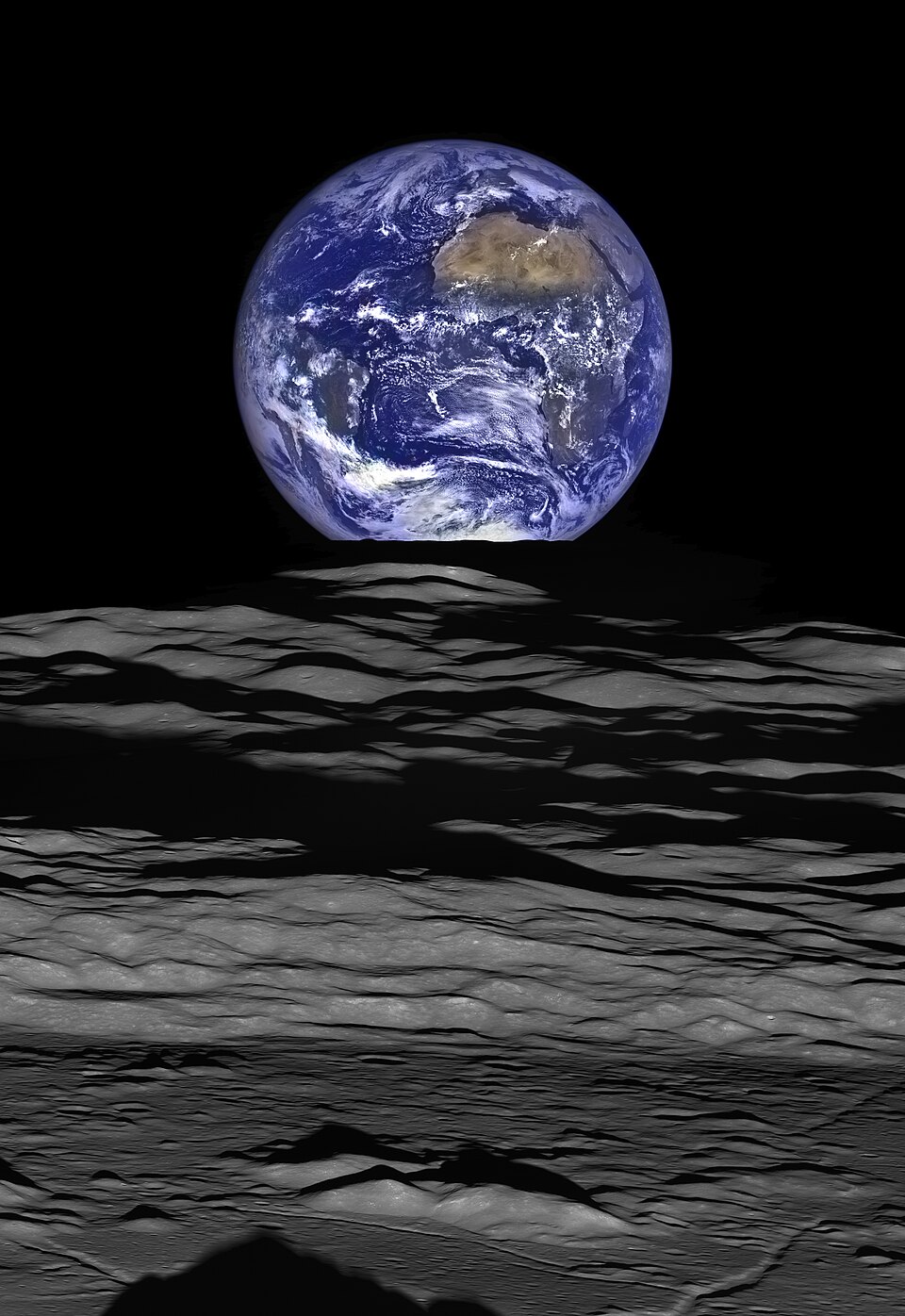
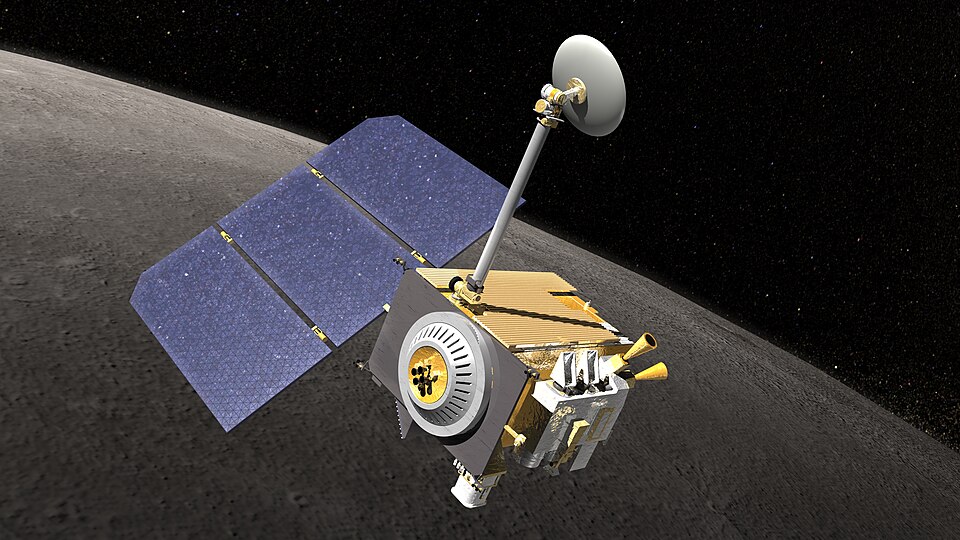
The images were captured by NASA's Lunar Reconnaissance Orbiter between August 11 and 12, about a week after impact. They show the crater surrounded by streaks of lunar rock thrown outward by the collision. According to Live Science, finding the site required global cooperation between hobbyist astronomers and professional researchers.
The rocket stage originally launched on January 15, 2025, carrying a pair of lunar landers. Unlike Falcon 9's lower stage, which returns to Earth for reuse, the upper stage was discarded in orbit. It drifted around Earth for nearly a year before a combination of solar radiation and the moon's gravitational pull redirected it toward the lunar surface.
The crash happened near Einstein crater on the northwestern limb of the moon, which was facing the sun at the time of impact. That positioning meant the initial flash from the crash was not visible from Earth, making the search for the impact site more difficult.
Speed also complicated the hunt. The rocket stage hit the surface at an estimated 5,400 mph. That sounds fast, but NASA says meteoroids typically strike the moon at speeds between 45,000 mph and 160,000 mph. Because this impact was relatively slow by lunar standards, it produced a smaller crater that was harder to detect from Earth.
Independent astronomer Bill Gray first predicted the crash in May. NASA's Center for Near Earth Object Studies then refined those predictions to narrow down the likely impact location. The first spacecraft to reach the site was South Korea's Danuri lunar orbiter, which returned the first images of the blackened crater on August 6. NASA's own orbiter photographed the same location six days later.
"The orbiter circles the Moon from pole to pole every two hours, while the Moon slowly rotates underneath it," NASA said in a statement. "To photograph a specific spot, the spacecraft must wait until that location turns into view."
The Lunar Reconnaissance Orbiter used its Narrow-Angle Camera to photograph the crater from multiple angles, which allowed scientists to estimate its dimensions. The crater is approximately 60 feet wide and less than 10 feet deep.