

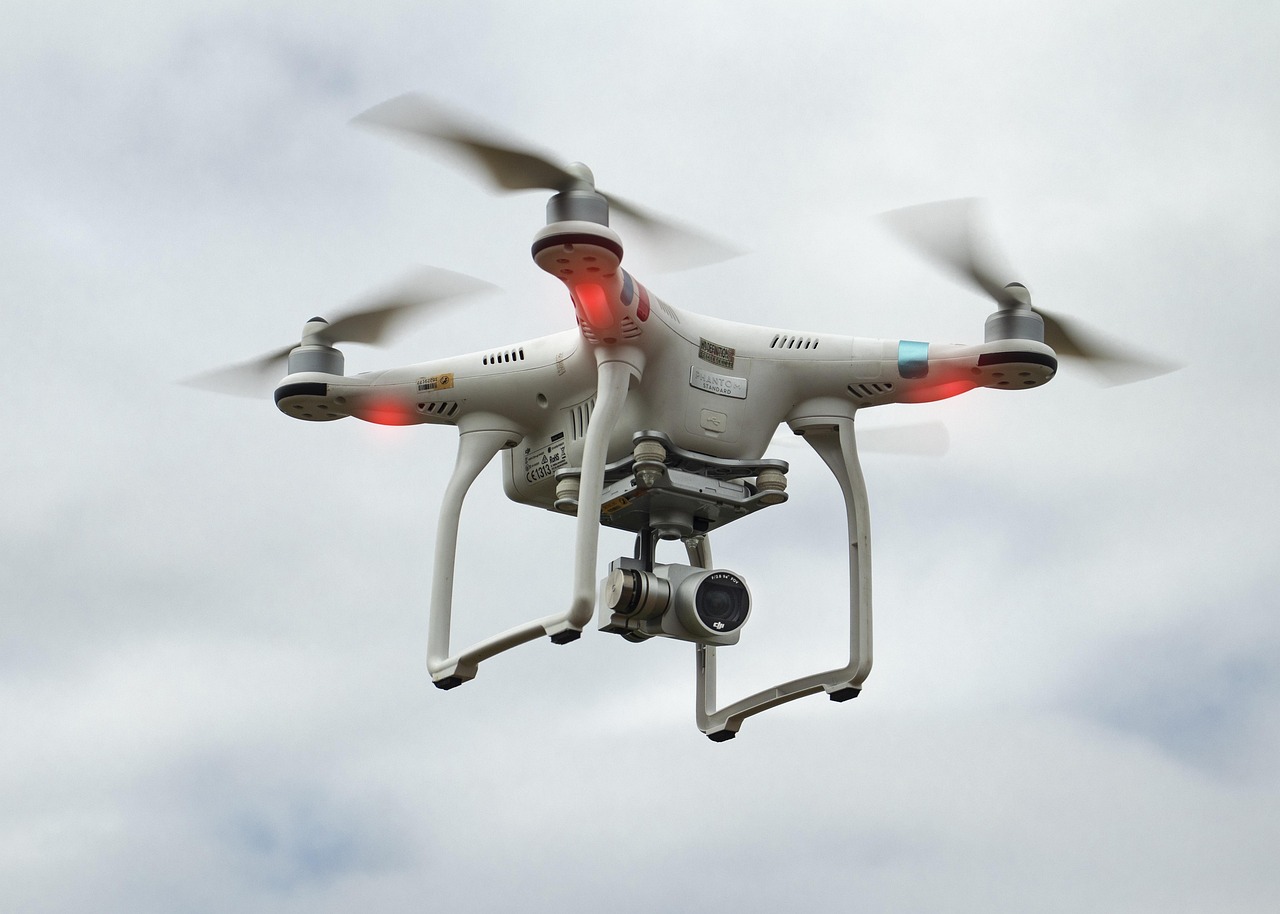
Amazon wants to expand its Prime Air delivery drone service to nearly 500 cities and towns across the United States by the end of 2026. That would be roughly six times the current size of the program.
On August 19, the company announced it would soon launch Prime Air in the metropolitan areas of Chicago, Cleveland, Atlanta, Syracuse, New York, and Boise, Idaho, with more cities to follow later in the year. According to a report by Ars Technica, each Prime Air site covers a delivery zone of about 175 square miles, with delivery times ranging from half an hour to an hour.
Right now, Prime Air operates out of Amazon warehouses in 10 cities across seven states. Those include primarily suburban neighborhoods of Phoenix, Tampa, Kansas City, Omaha, Nebraska, Baton Rouge, Louisiana, Detroit, Houston, and San Antonio, Dallas, and Waco, Texas.
The expansion comes as noise from daily drone flights becomes a growing point of friction in some communities. More neighborhoods could see delivery drones overhead in the coming months, and how residents respond to that increase in air traffic remains an open question.
Amazon is not the only company scaling up drone delivery. Walmart has partnered with Wing and Zipline to grow its own drone service. Walmart recently passed the milestone of 1 million drone deliveries while operating out of 66 stores across four states. The retail giant is now looking to expand that footprint to more than 270 stores by 2027.
Zipline has also announced a separate partnership with Uber. That deal is aimed at reaching 1 million drone deliveries per day by the end of 2029. Zipline first built its reputation by pioneering long-range drone deliveries of blood and other medical supplies in Africa. The company says it has already made more than 2.7 million deliveries worldwide and has been steadily growing its US operations.
The competing expansions from Amazon, Walmart, and Zipline could bring drone delivery to tens of millions more Americans within the next few years. Whether the convenience outweighs community concerns over noise will likely shape how quickly those plans move forward.