Researchers have found the first physical evidence that people living in the southern Levant 15,000 years ago hunted and ate snakes and lizards. The discovery comes from thousands of reptile bones recovered at an archaeological site on Mount Carmel in Israel, according to a study published in the journal Proceedings of the National Academy of Sciences.
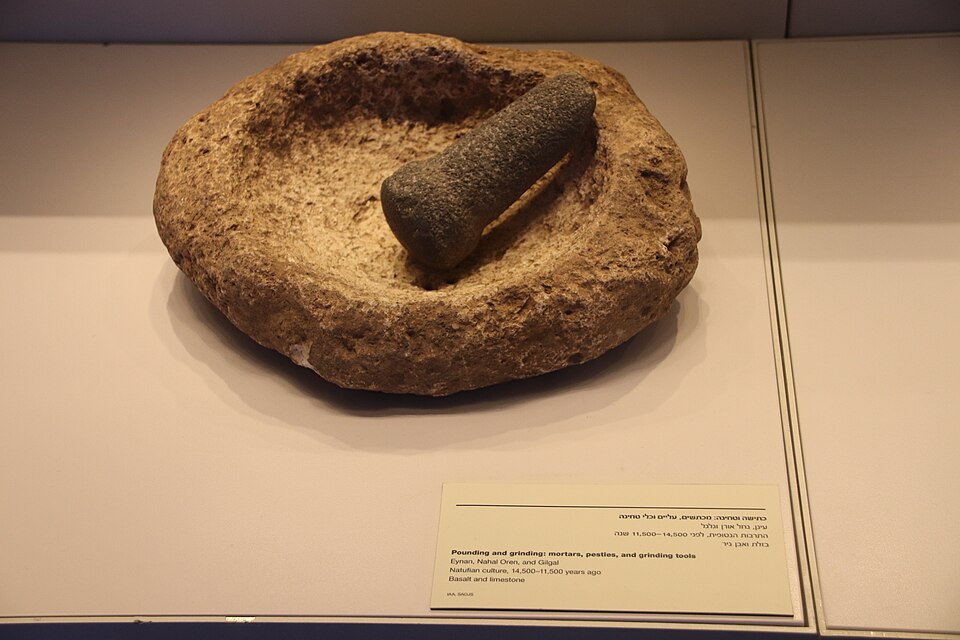
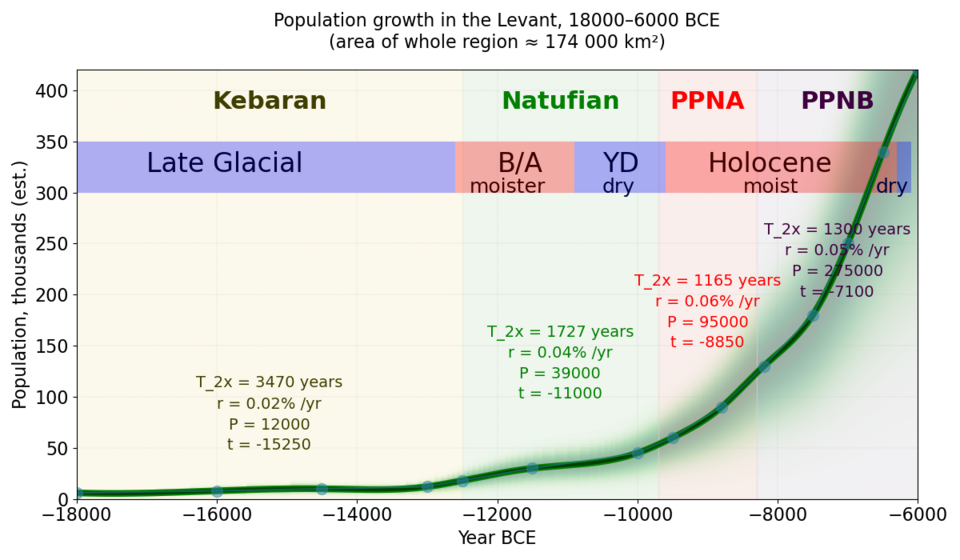
The site, called 'el-wad Terrace,' sits in the Nahal Me'arot Nature Reserve and contains 20 layers of repeated settlements spanning roughly 3,000 years. Using radiocarbon dating, researchers placed those layers between approximately 15,000 and 12,000 years ago. The people who lived there belonged to a culture known as the Natufian, considered a key stage in the shift from nomadic life to permanent settlement, even before agriculture developed.
"Lizards and snakes became an important part of their diet during this period," says Dr. Maayan Lev, lead author of the study and a postdoctoral researcher in the Kiel Training for Excellence program at Kiel University.
Lev worked with Professor Mina Weinstein-Evron and Professor Reuven Yeshurun of the University of Haifa to identify thousands of lizard and snake bones in the settlement layers. The key challenge was separating bones left by humans from those left by animals that might have dragged or eaten reptiles naturally at the site. The team used microscopic examination to make that distinction.
"Through meticulous microscopic examinations, we were then able to distinguish reptile remains that died naturally at the site or were preyed upon by mammals and birds from those that served as food for humans," Lev explains.
For the first time, the researchers identified cut marks made by flint knives at consistent locations on bones of large snake species, specifically the large whip snake and the eastern Montpellier snake. The team also found indirect evidence that people consumed the European glass lizard, a species whose hard scales required a different method of butchering than the one used for snakes.
The researchers developed a hypothesis about why those particular species were targeted. "Our hypothesis is that the Natufian people preferred to catch reptiles that were relatively large, relatively slow and not dangerous. In other words, the glass lizard was an ideal choice, and if none could be found, the hunters would inst" choose large snake species that fit similar criteria.
The study connects the shift in diet to the broader social change happening at the time. As Natufian communities reduced their mobility and established permanent settlements, they could no longer be as selective about food sources. Reptiles, which would have been available locally and in predictable habitats, likely filled a gap in the diet that nomadic hunting had previously covered through wider ranging.
The settlement sequence at 'el-wad Terrace' spans roughly 3,000 years of repeated occupation, giving researchers an unusually long record of how food choices changed as communities became more established in one place. The changing relative abundance of different reptile species across those layers is part of what the team is continuing to analyze.