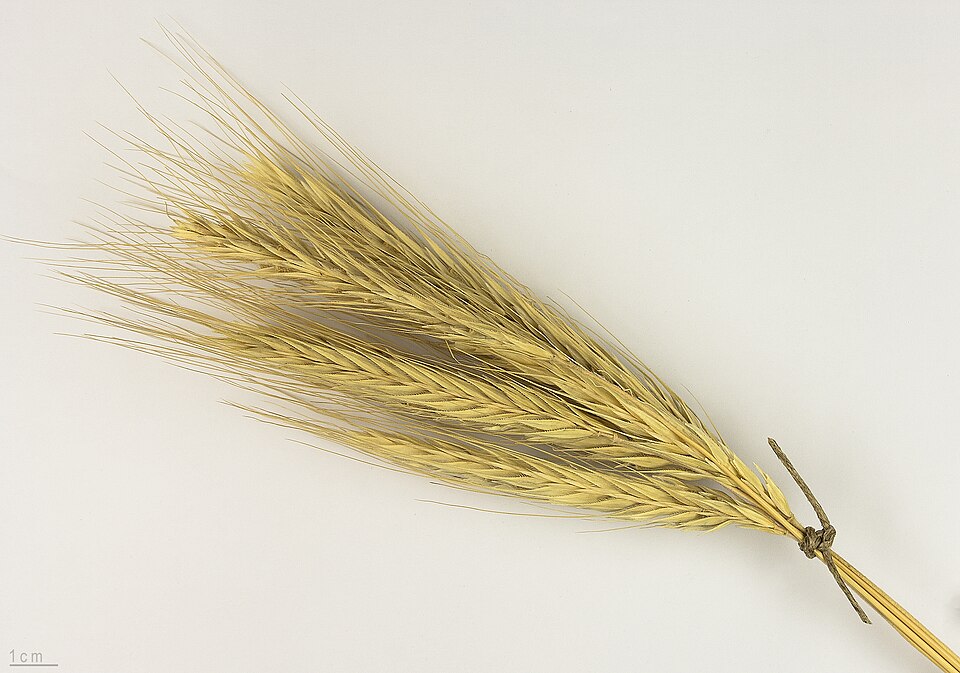
Scientists have published a new, high-quality reference genome for rye that fills in gaps left by earlier versions and could improve how researchers breed hardier wheat varieties. The work, led by an international team at the IPK Leibniz Institute, was published in the journal Nature Communications.
For the first time, the sequence includes the complete centromeres of all seven chromosome pairs in rye. Centromeres play a critical role in cell division. They ensure that daughter cells receive accurate copies of genetic information. Previous genome sequences had left these regions incompletely mapped, limiting what researchers could learn from them.
As reported by Phys.org, rye is a particularly difficult crop to sequence. Its genome is significantly larger than the human genome and consists of almost 90 percent repetitive DNA sequences. That complexity has made earlier attempts incomplete. Past reference sequences contained gaps, misaligned sections, and collapsed regions that could not be correctly resolved.
To build the improved sequence, the team used long-read DNA sequencing technology available at the IPK. They started with the Lo7 line, an established reference genotype in rye research. Long reads allow scientists to bridge regions of the genome that are difficult to decode with shorter fragments. The fragments were then arranged across the seven chromosomes and verified using several independent methods.
"The new reference sequence represents a quantum leap for rye research and breeding," said Dr. Erwang Chen, first author of the study. "It is more complete than previous versions, corrects earlier assembly errors and provides access to regions of the genome for further analysis and utilization."
Rye shares a long evolutionary history with barley and wheat. While barley and wheat were domesticated around 10,000 years ago in the Fertile Crescent of the Near East, rye took a different path. It first spread as a field weed, gradually taking on traits of its cultivated relatives. Between 5,000 and 6,000 years ago, rye became a cultivated crop in its own right. By the Middle Ages, it had become the most important bread grain in Northern Europe.
Today, rye is valued not just as a crop but as a genetic resource. Its hardy characteristics and rich gene pool make it useful in wheat breeding programs, particularly as climate pressures push breeders to develop more resilient varieties. The new reference genome gives researchers a far more precise map to work with as they look for useful traits to transfer.