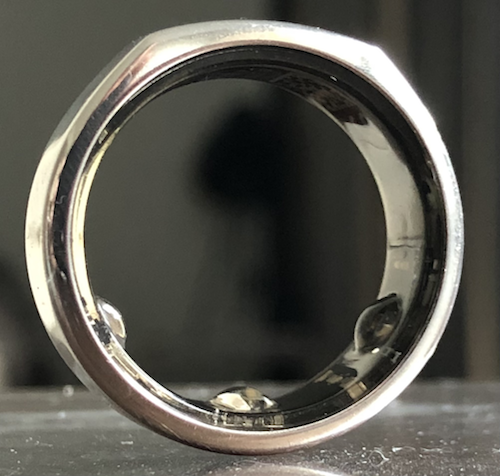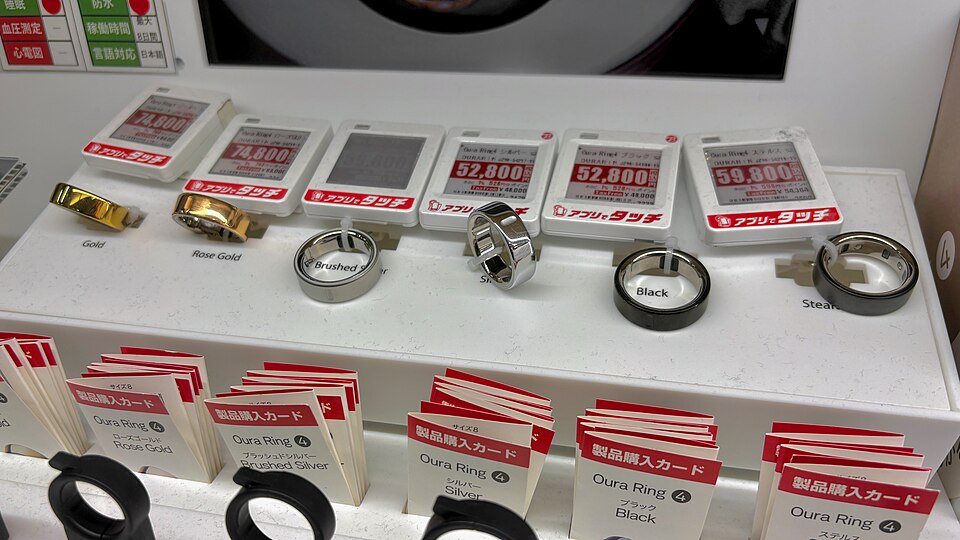
A class action lawsuit filed in San Francisco is targeting Oura, the company behind one of the most well-known smart rings on the market, over claims that its AI-powered sleep tracking is far less accurate than advertised.
The suit, filed Thursday by Clarkson Law Firm, seeks class action status and a jury trial. It alleges Oura deceived customers by marketing its ring as capable of measuring sleep stages with clinical-level accuracy, when the technology cannot actually deliver that, according to a report by CNET.
The core of the allegation centers on what Oura promises versus what its hardware can detect. Oura's marketing includes the claim of "95% Sleep Staging Accuracy compared to clinical sleep lab." The lawsuit argues that sleep labs require complex methods, including multiple electrodes to measure brain activity, which Oura's ring does not have. Without those physiological signals, the suit contends, the device's sleep staging is based on what it calls "AI-generated guesses" that are no better than "a coin flip."
The lawsuit frames the company's growth as built on that trust. "Oura built an $11 billion company on that trust," the lawsuit alleges. "To capitalize on consumers' desire for a tracker that could actually track sleep and monitor their sleep cycles. Oura sold expensive tracking rings, priced at $300 and up, advertising exactly that: that Oura rings are capable of seeing what only a hospital sleep lab can see."
Oura's website states that its wearables track seven sleep elements, including REM and deep sleep, to produce an overall sleep score. The company did not immediately respond to a request for comment.
Ryan Clarkson, co-founder and managing partner at Clarkson Law Firm, described the stakes in a press release. "When people rely on a device to guide decisions about their health, misinformation cannot be tolerated," he said. "Oura users trust that the numbers on their screen reflect reality. People structure their days, interpret the way they feel and design their lives around inaccurate figures."
Health technology experts have raised broader questions about the gap between consumer wearables and medical devices. Anna Gragert, a senior editor at CNET with expertise in Oura products, offered context on what devices like the Oura Ring can and cannot do. "While health trackers like the Oura Ring can flag potential symptoms that may prompt a helpful conversation with your doctor, they can't diagnose," Gragert said. "They're also not the same as the medical equipment you'd find at your doctor's office. For sleep scores and stages in particular, these are just estimates … don't overemphasize a single data point or 'score.'"
Gragert also pointed to a larger problem in the wearable health space. "It's also important to consider that wearable health trackers have been launched at a pace that's made it difficult for scientific research to keep up, so more studies investigating the potential downsides of these devices are needed," she said.
Whether Oura Ring buyers will be able to join the suit, and what compensation might be available if the case proceeds or settles, remains unclear. The lawsuit is in its early stages.