

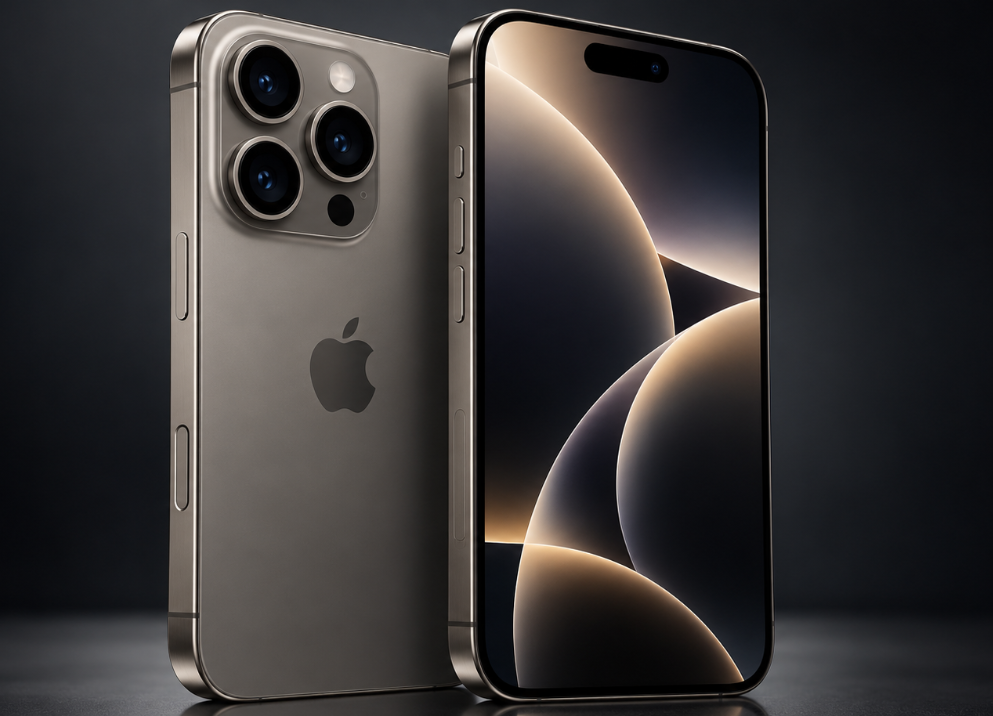
Apple says a small number of iPhone 18 Pro Max phones using AT&T have developed a cellular problem serious enough that affected devices must be replaced.
The problem can cause an iPhone to completely lose access to AT&T’s cellular network. When that happens, users may be unable to make or receive calls, send text messages, use mobile data or make normal 911 calls over the cellular network.
Affected phones may display “SOS” instead of the normal cellular signal indicator.
Apple has released iOS 27.0.1 and a new AT&T carrier settings update in an effort to prevent additional iPhone 18 Pro Max devices from developing the problem.
Apple is strongly encouraging iPhone 18 Pro Max owners on AT&T to install the latest software.
AT&T has also posted a notice telling customers to update their phones.
To check for the software update, users can open Settings, select General and then choose Software Update.
Apple has also issued an updated carrier configuration for AT&T customers. Users can check for that update by opening Settings, selecting General and then About.
The carrier settings update should eventually install automatically, but opening the About screen can cause the phone to check for it immediately.
The updates are designed to prevent the cellular failure from occurring.
However, Apple says the updates cannot restore service to an iPhone 18 Pro Max that has already developed the problem.
Those customers will need a replacement device.
Apple says affected users should contact Apple Support or AT&T. Customers can also visit an Apple Store or AT&T location for assistance.
Reports indicate replacements are being provided without charge for devices affected by the problem.
AT&T said the issue may interfere with calls, data, text messages and calls to 911.
That makes the problem more serious than an ordinary inconvenience involving slow data or dropped calls.
An affected phone may still have access to Apple's satellite emergency features in locations where those services are available. However, customers should not depend on a phone with a known cellular problem for emergency communications.
Apple says only a small number of devices are affected.
The company has so far identified the issue specifically with the iPhone 18 Pro Max operating on AT&T's network.
Apple has not reported the same problem with the smaller iPhone 18 Pro or with other carriers such as Verizon or T-Mobile.
One unusual difference between the models has attracted attention.
The U.S. version of the iPhone 18 Pro Max uses Qualcomm's Snapdragon X80 cellular modem.
The smaller iPhone 18 Pro uses Apple's newer C2 modem. International versions of the iPhone 18 Pro Max also use Apple's C2 modem.
The Snapdragon X80 is not new to Apple phones. The modem was also used in the iPhone 17 Pro and iPhone 17 Pro Max.
Apple has not said that the Qualcomm modem is responsible for the AT&T problem.
The U.S. iPhone 18 Pro Max also has different hardware related to millimeter-wave 5G service, adding another difference between the U.S. model and versions sold in other countries.
There is currently no confirmed evidence that either the modem or the millimeter-wave hardware caused the failure.
AT&T and Apple have been working together to address the problem.
Complaints began appearing shortly after the iPhone 18 Pro Max went on sale in September. Some customers reported intermittent service, while others said their phones eventually lost cellular connectivity completely.
AT&T later sent messages to some customers urging them to install iOS 27.0.1 immediately.
The carrier's support page now specifically warns iPhone 18 Pro Max owners about the issue and says the update is intended to address problems involving phone calls, data, texts and 911 calls.
Apple says customers whose phones are still functioning should install both updates as soon as possible.
Those whose phones have already lost cellular service should contact Apple or AT&T rather than assuming another software update will restore the connection.
Apple has not publicly identified the underlying hardware or software failure that causes some phones to lose service.
For now, the company's advice is straightforward: update a working iPhone 18 Pro Max immediately, and replace a device that has already been affected.