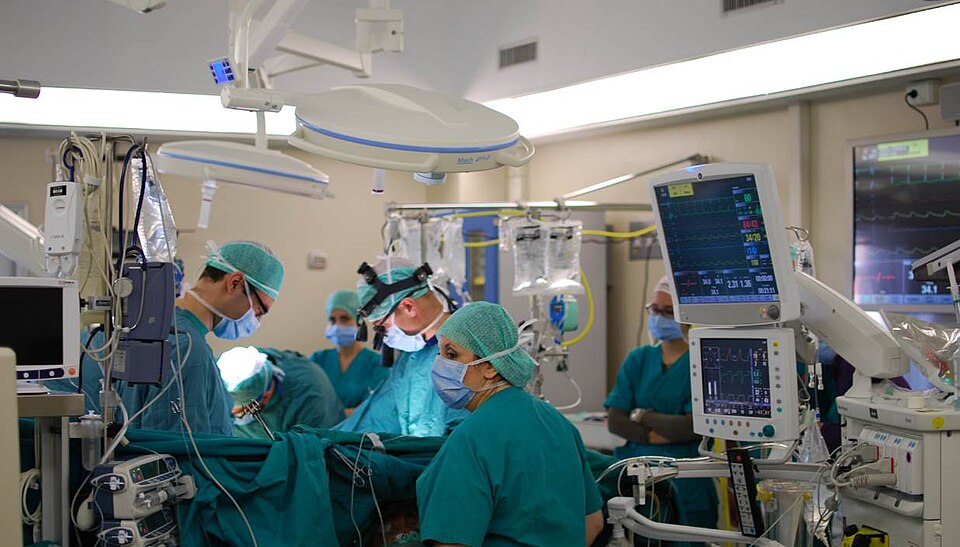
Nearly one in ten planned surgeries across NHS hospitals in England are cancelled within 24 hours of the scheduled procedure, and more than a third of those cancellations could have been prevented, according to a rapid response published in the British Medical Journal.
The figures come from the PACE2024 study, which examined 19,905 planned operations across NHS hospitals in England. Of those, 9.9 percent were cancelled within 24 hours of surgery. More than one-third of those cancellations were considered potentially avoidable. The study, published in the British Journal of Anaesthesia, also found that some patients were postponed even earlier, during preoperative assessment, because they needed further investigations or specialist review before they could safely proceed.
A letter responding to the findings argued that workforce shortages alone do not explain the problem. Increasing the number of anaesthetists is important, the author noted, but staffing is only one part of the equation. Surgical capacity also depends on whether patients arrive at the operating theatre medically ready for the procedure.
The author, writing from an anaesthetist's perspective, noted that not every late cancellation is preventable. A patient may develop an acute chest infection shortly before surgery, for example, and that is difficult to anticipate. But other problems are already present at the time of scheduling and could potentially be identified earlier. Patients who are frail, have multiple conditions, significant heart or lung disease, anaemia, or complex medication requirements may benefit from earlier screening and review.
The argument is not that every patient needs an additional clinic appointment. It is that identifying which patients need more attention, early enough to allow for investigation, treatment, or specialist input, would reduce the number of problems first discovered on the morning of surgery.
Late cancellations are disruptive in ways that extend beyond the hospital. Patients and families who have already prepared for an operation, arranged time off work, secured childcare, or travelled significant distances face real costs when a procedure is postponed at the last moment.
The letter concludes that increasing the anaesthetic workforce and improving early patient preparation should happen together. A theatre list cannot run efficiently if avoidable problems are identified only on the day of surgery. The day of surgery, the author argued, should be the final confirmation that a patient is ready, not the first time anyone discovers that they are not.
The findings, while drawn from England, reflect challenges that perioperative teams in many healthcare systems will recognize. Early digital screening tools designed to identify patient complexity before surgery have been studied as one potential approach to the problem.