Oil prices fell sharply Tuesday as the United States signaled it is leaning on economic sanctions rather than military force to pressure Iran, with diplomats potentially returning to their Middle East posts as early as this week.
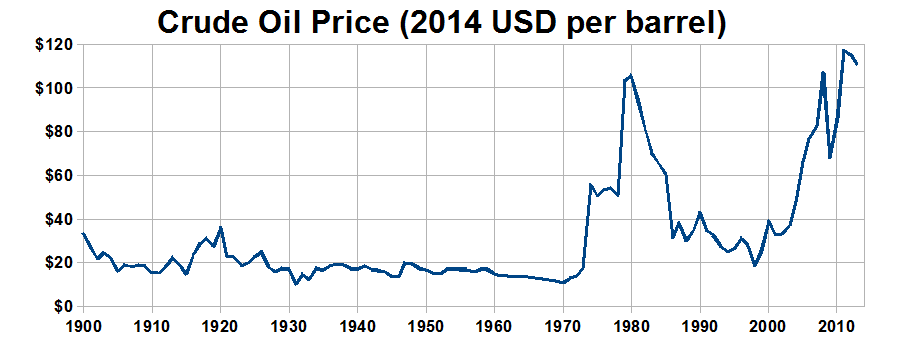
Brent futures, the international oil benchmark, dropped 3.2% to $89.20 per barrel. U.S. West Texas Intermediate crude fell 3.3% to $82.21 a barrel. Prices have now declined more than 5% this week, according to CNBC.
The drop follows the U.S. government's rollout of a new round of sanctions targeting Iran and what the White House has called "enablers" that continue trading with the Islamic Republic. The administration has labeled the effort an "economic D-Day."
Treasury Secretary Scott Bessent told CNBC last week that the sanctions campaign makes a return to open warfare less likely in the near term. "If we are doing the maximum economic pressure, then that means that likely there will not be a large-scale kinetic restart," Bessent said Thursday in an interview on Squawk on the Street.
Adding to the de-escalation signals, the State Department is preparing to return U.S. diplomats who had been evacuated from the Middle East, with the return expected as early as this week, The New York Times reported Tuesday. A resumption of normal diplomatic operations in the region would suggest Washington is not expecting renewed large-scale conflict.
Defense Secretary Pete Hegseth took a harder line on Monday, telling reporters that U.S. strikes remained an option. "If we need to use kinetic strikes, we'll use them," Hegseth said. "If Iran is foolish enough to overplay their hand or mess with the American military, we'll do what we need to do." He added: "Economic pressure hurts them the most right now. But by no means are we foreclosing using kinetic strikes anywhere in the Strait of Hormuz or around Iran."
Iran's government pushed back on the sanctions pressure. Economy Minister Ali Madanizadeh said on state television that Tehran is "fully prepared" to withstand additional U.S. measures. "The government is and was ready and has a two-year plan to manage these events," he said. "We have our own tools and we know how to play the game."
China, one of Iran's largest trading partners and a major buyer of Iranian oil, faces potential consequences under the new sanctions framework. Chinese Foreign Ministry Spokesperson Lin Jian told reporters Tuesday that Beijing would "do everything necessary to firmly safeguard its rights and interests." He said China's cooperation with Iran falls within international law and should not be disrupted. "Economic warfare and maximum pressure provide no solution," Lin Jian said.
Analysts at BBH described the latest U.S. moves in a Tuesday note as "more of a warning shot than a decisive blow."