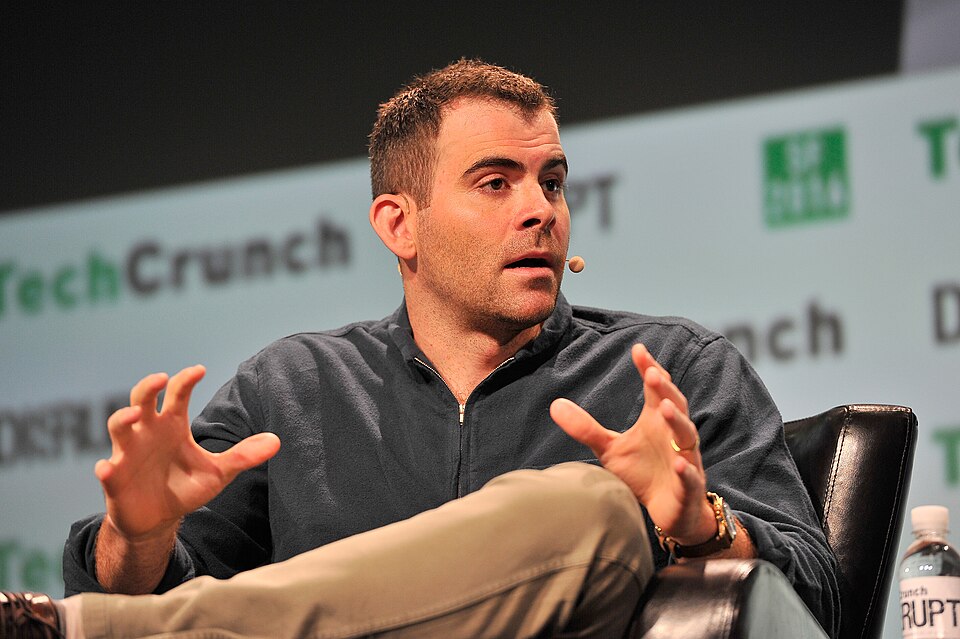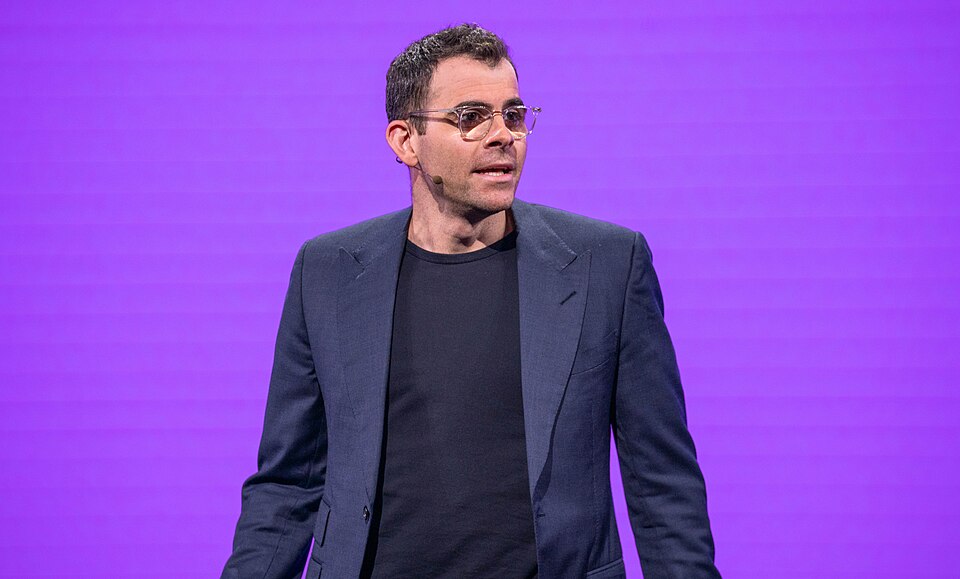
The head of Instagram admitted in a California courtroom Tuesday that a feature designed to help teenagers limit their time on the app had far lower usage than the company expected, and that Meta never disclosed the actual numbers to the public.
Adam Mosseri testified in Oakland as part of a trial in which attorneys representing California, Colorado, Kentucky, and New Jersey are suing Instagram's parent company Meta. The states accuse Meta of designing Instagram and Facebook to hook kids and harvest their data, and of hiding the truth about dangers the platforms posed to young people. Meta has denied the accusations, according to NPR.
The feature at issue, called Take a Break, sends a pop-up message to young users suggesting they pause their use of the app after they have been on it for a set period of time. An internal document admitted as evidence showed that at one point only 1.8% of teens actually used the feature. The pop-up notifications "helped, but not nearly as much as we hoped," Mosseri said.
Meta made Take a Break the default setting on all teen accounts in late 2024. Mosseri argued that by that point, the question of initial low uptake was "entirely moot." But Jason Slothouber, with the Colorado Attorney General's office, pushed back, noting that the change came after the states had already sued Meta in 2023.
Slothouber also pointed to a blog post Mosseri wrote around the time the feature launched, in which he stated that "more than 90%" of users of the feature kept it on. He noted that Mosseri did not mention in that post that only a very small number of teens were using it in the first place. Asked to confirm that there was no way for parents to know at the time that only 1-2% of teens would use the feature, Mosseri replied: "Correct." Asked to confirm that Meta never disclosed the figure, he again said: "Correct."
Mosseri defended the company's broader record, noting that Take a Break and Quiet Mode, a feature that silences Instagram alerts, were only two of many tools Meta introduced to address problematic teen use. "In general, there are no silver bullets to problems like this. We have to do many things that add up," he said.
The trial is part of a broader wave of legal action against social media companies over their effects on young users.