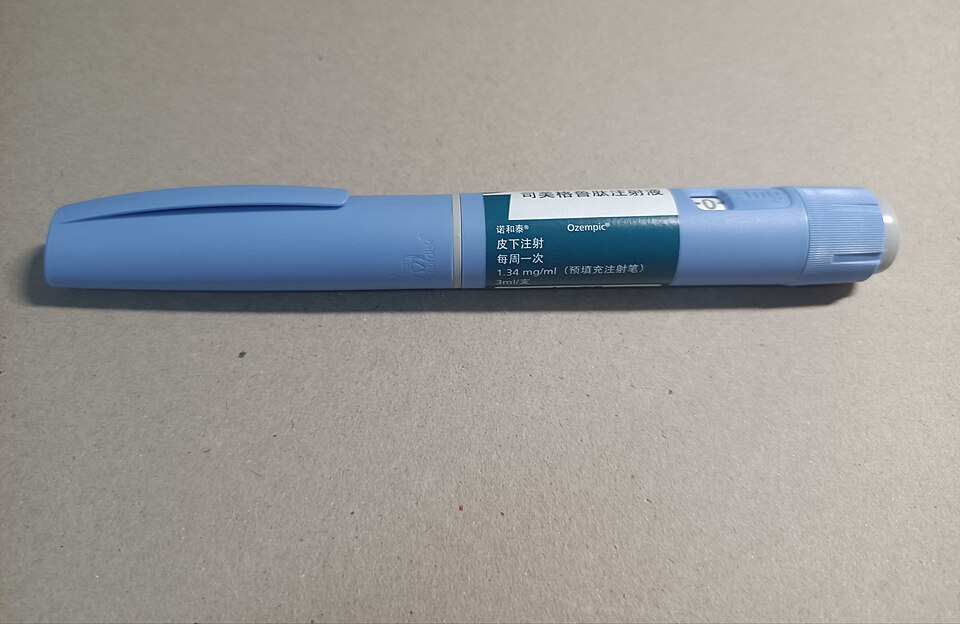
Obesity among children and teenagers has become one of the most pressing health issues in the United States, and researchers are now studying whether a drug already used widely in adults could help younger patients. According to Medical Xpress, scientists are conducting studies on semaglutide, the active ingredient in drugs like Ozempic and Wegovy, to see how well it works in adolescents struggling with obesity.
Semaglutide belongs to a class of drugs called GLP-1 receptor agonists. These medications work by mimicking a hormone in the body that regulates appetite and blood sugar. In adults, the drug has shown strong results for weight loss and for managing type 2 diabetes. Researchers want to know whether those same effects carry over to teenagers, whose bodies are still developing.
Childhood obesity carries serious long-term risks. Young people with obesity are more likely to develop high blood pressure, type 2 diabetes, joint problems, and mental health conditions. Many of those problems can follow them into adulthood, making early intervention a priority for researchers and physicians.
The study is part of a broader push to find treatments that work specifically for younger patients. For decades, the options available to teenagers with severe obesity were limited. Lifestyle changes, including diet and exercise, remain the first line of treatment, but they do not always produce lasting results for every patient. Bariatric surgery exists as an option for some, but it is invasive and not appropriate for all adolescents.
Semaglutide trials in younger populations have been watched closely by the medical community. Earlier research showed that the drug produced meaningful weight reduction in teenagers, but scientists are still examining questions about long-term safety, proper dosing, and how the medication affects growth and development in adolescents. Those questions are central to what ongoing studies are trying to answer.
The research also raises questions about access. Semaglutide drugs are expensive, and insurance coverage for weight-loss medications varies widely. If the drug proves safe and effective for teenagers, getting it to the young patients who need it most could depend heavily on insurance policy decisions and income level.
Researchers noted that adolescence is a particularly critical window. Habits and health conditions formed during the teenage years often define adult health outcomes. A treatment that reduces obesity during that period could lower the risk of a range of chronic diseases later in life.
No final results from the adolescent studies have been published yet. The work is ongoing, and researchers say they expect to have more complete data in the coming months.