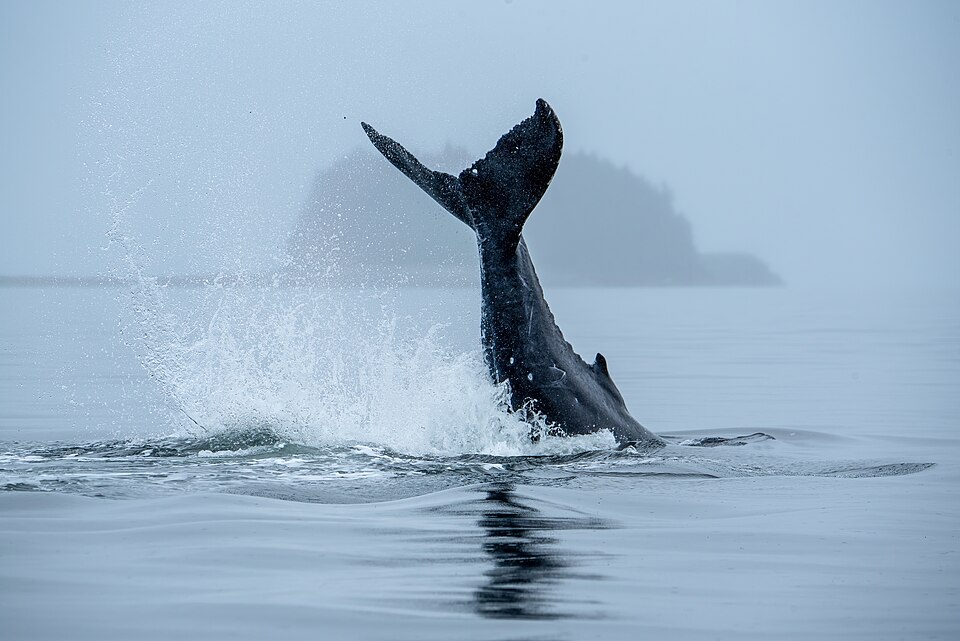
In 2009, tourism operators in the Whitsundays region of Australia began noticing something strange. Humpback whales were floating upside down with their tails raised above the water's surface, a behavior called fluking. Nobody, not even whale scientists, knew what it meant.
That uncertainty set off one of the region's largest citizen science efforts. According to Phys.org, the operators began reporting their sightings to the Reef Authority's Eye on the Reef network. What followed was a 17-year research effort that ultimately identified the Whitsundays as one of the Great Barrier Reef's most important humpback whale calving areas.
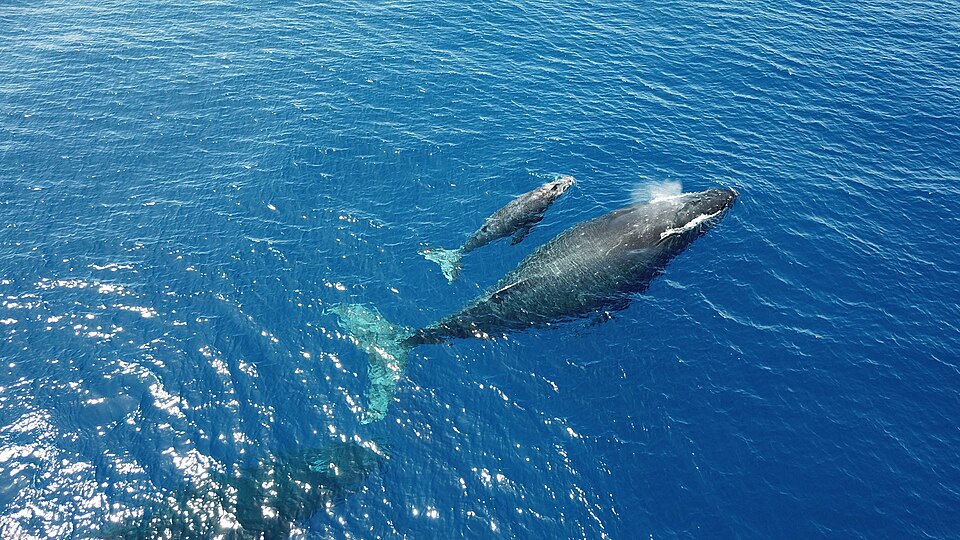
Crystal Lacey, Master Reef Guides Program Manager, described the scope of what the tourism operators documented. "Just in that one year, there were 780 adults and 153 calves sighted in the Whitsundays," she said.
While operators counted whales and calves, scientists mapped the seafloor, monitored water temperatures, tracked whales by satellite, and surveyed the region from the air. Together, the two efforts built a picture of why the Whitsundays matter to humpback whales.
"We discovered the Whitsundays provide the sheltered, warm and shallow waters humpback whales need to give birth and raise newborn calves," Lacey said.
The fluking behavior the operators had found so puzzling turned out to be a breeding behavior, not an anomaly or a sign of distress.
The discovery solved one of the biggest mysteries surrounding humpback whales on the Great Barrier Reef: where they give birth. It led directly to the establishment of the Whitsundays Whale Protection Area, which gives cetaceans higher levels of protection than anywhere else in the Marine Park. Rules in the protection area include minimum approach distances for vessels and aircraft and a ban on swimming with whales. Violations are enforceable by law.
The region's recognition did not stop there. In 2024, the Whitsundays received a Whale Heritage Area designation, making it the only place in the world with that status inside a UNESCO World Heritage Area. Tourism operators and community members nominated the region together for that recognition.
The story began with a simple message that circulated in the community: "This is the year to do something small for something huge." Seventeen years later, the Whitsundays has some of the strongest whale protections anywhere on Earth.