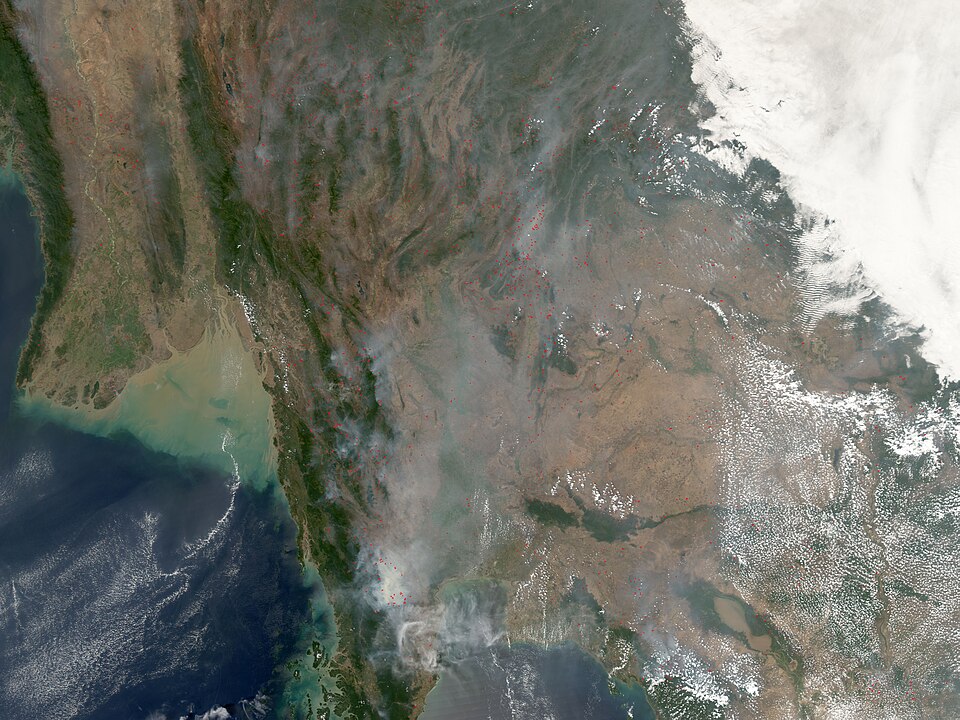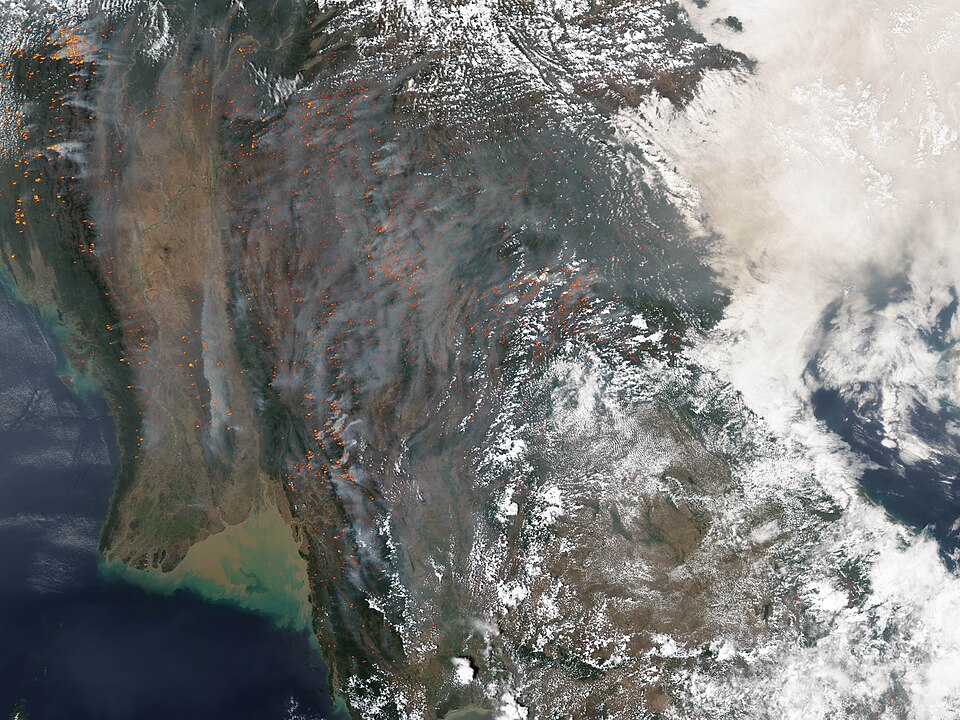
Air pollution tied to climate patterns kills an estimated 296,000 people annually in Southeast Asia during El Niño events, according to a scoping review published in the Lancet Regional Health Western Pacific. The figure comes from one of the most comprehensive efforts yet to map how climate-related exposures translate into measurable health burdens across the region.
Researchers screened 5,294 records and identified 77 studies that met their criteria for linking climate exposures to health outcomes in Southeast Asia. The review covered a range of hazards including air pollution, heat, floods, droughts, storms, and sea-level rise, though the evidence was heavily concentrated in just two categories.
Air pollution was the focus of 70 percent of the studies reviewed. That body of research linked pollution to up to 31 percent of all-cause mortality in the region. Heat was the second most studied exposure and was associated with up to 8.61 percent of mortality in Bangkok specifically.
The review found a sharp imbalance between what researchers have studied and what climate scientists say poses the greatest threats. Extreme events such as heatwaves, floods, and storms were the least frequently investigated, despite being among the most visible and damaging effects of a changing climate. The authors described this as a critical misalignment between regional climate risks and the current research focus.
Southeast Asia is home to some of the world's most climate-vulnerable populations. The region faces rapidly intensifying weather patterns, rising sea levels, and expanding zones of extreme heat. Yet it remains critically underrepresented in the global literature on climate and health attribution, the process of connecting specific weather or pollution events to measurable increases in illness and death.
The methodological variation across studies also complicated the review. Researchers used different frameworks, different data sources, and different ways of defining both exposures and health outcomes. The authors called for standardized attribution frameworks to support what they described as integrated climate-health modeling.
The goal, according to the review, is to give policymakers in the region the evidence they need to design adaptation strategies that reflect actual risk rather than research convenience. Without that foundation, the authors argued, the countries most exposed to climate hazards may be the least equipped to respond to them with targeted policy.
The review was published on August 21, 2026, and covers a region spanning countries including Indonesia, the Philippines, Vietnam, Thailand, and Myanmar, all of which face distinct but overlapping climate vulnerabilities.