Meta is quietly testing robots inside its data centers that can plug in cables, reset servers, and handle other physical tasks, according to current and former workers familiar with the projects. The effort has not been previously reported and could allow Meta to operate its growing data center network with fewer human employees.
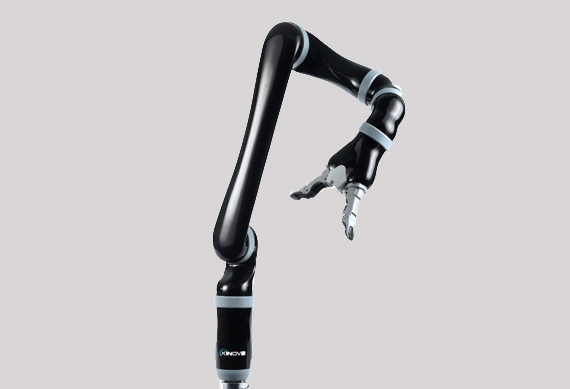
According to a report by Ars Technica, Meta is using robots and related hardware from several vendors, including Watney Robotics, Kinova, and ABB. The workers who described the testing asked to remain anonymous because they were not authorized to speak to the media. Kinova and ABB declined to comment. Watney did not respond to requests for comment.
In one experiment, Meta is evaluating whether a Kinova Gen3 robotic arm could handle power cycling, which means cutting off electricity to servers and restoring it. The company is also testing a separate robot to swap networking cables. One Meta data center worker put the potential impact in blunt terms. "We thought those of us performing the physical tasks were safe for a while, but not anymore," the worker said. "It's coming for us all, unfortunately."
The same worker estimated that if the cable-swapping robot proves successful, it could replace up to 80 percent of some people's workloads.
Meta is also using a simpler device at some facilities. It resembles a finger or a pointy stick and can press the power button on a Mac Mini or other device to restart it when prompted remotely by a human. The device represents a more basic form of automation but fits into the same broader push to reduce the need for on-site staff.
Meta declined to comment on the specific testing described in the report. Company spokesperson Francis Brennan said in a statement that Meta is investing heavily in training and hiring workers to build and operate its data centers. "America is in the middle of its biggest infrastructure boom since World War II, and there's a major shortage of skilled workers to fill the roles; we need more workers, not fewer," he said.
The statement did not address the specific robot trials or the possibility that automation could reduce headcount over time. Meta's spending on AI infrastructure has soared in recent years, and the company has been expanding its data center footprint rapidly. Labor costs at those facilities represent a significant and ongoing expense.
The robot testing sits alongside a wider industry trend. Technology companies including Amazon and Google have explored automation in warehouses and server facilities for years, but Meta's push into data center robotics marks a notable expansion of that effort into one of the more physical and hands-on corners of the tech industry.
No timeline has been announced for broader deployment, and the testing remains in an evaluation phase. The workers who described the projects said the outcome of those evaluations would determine how far the program expands.