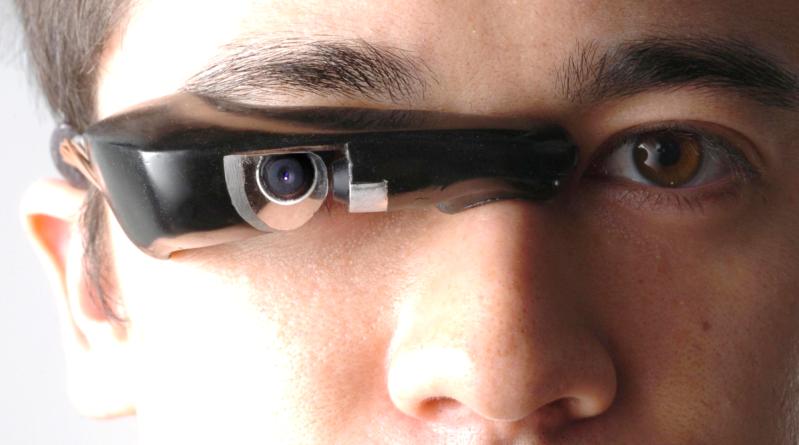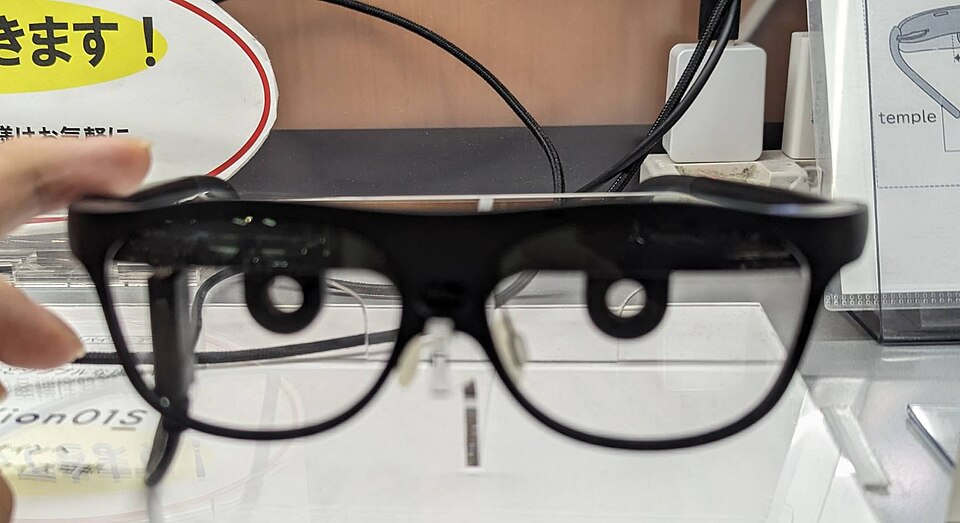
Australia's online safety regulator is pushing for smart glasses to include automatic face-blurring technology as a default feature, raising fresh concerns about the privacy risks posed by wearable cameras in public spaces.
According to a report by The Guardian, the eSafety Commissioner has called on manufacturers of smart glasses to build in safeguards that would automatically obscure the faces of people caught on camera while the device is filming. The recommendation targets a growing category of consumer technology that allows users to record video hands-free and in real time, often without bystanders being aware they are being filmed.
Smart glasses have become more prominent in recent years as major technology companies have released or announced devices capable of recording video, streaming content, and in some cases running facial recognition software. The concern from regulators is that bystanders in public spaces have no easy way of knowing whether they are being recorded, and even less ability to object.
The automatic blurring proposal would address one part of that problem by making it technically difficult for wearers to capture identifiable footage of strangers without taking deliberate steps to disable the protection. Regulators see it as a way of building privacy protection into the hardware itself rather than relying on users to follow rules voluntarily.
The call from Australia's regulator adds to a wider international conversation about how existing privacy laws apply to wearable recording technology. In many countries, the legal framework around filming in public spaces was written before devices like smart glasses existed and does not clearly address the specific risks they create.
The eSafety Commissioner's position does not carry the force of binding law on manufacturers, but it signals the direction regulators are moving as these devices become more common. Whether companies respond to the recommendation voluntarily, or whether formal regulation follows, remains an open question.