A cracked nonstick pan sitting on a kitchen stove can release more than 2 million microplastic particles into a single meal. That figure comes from Australian researchers studying Teflon-coated cookware, and it is one of several findings pushing home cooks to reconsider what their kitchens are actually putting into their food.
According to a report by CNET, microplastics are tiny plastic particles smaller than 5 millimeters. An estimated 22 million micro- and nanoplastic particles are inhaled by humans each year, and they also enter the body through ingestion and direct contact. They have been found in dust, air, water, fabrics, cleaning products, and food itself.
The health picture is still developing, but existing research has produced serious findings. Microplastics and nanoplastics found in blood vessels have been linked to an increased risk of heart attack, stroke, and death. Researchers have also noted tissue inflammation, cell death, and impacts on lung and liver function. In animals, microplastics have been connected to oxidative and DNA damage, cancer, reduced sperm count, ovarian scarring, and hereditary metabolic disorders.
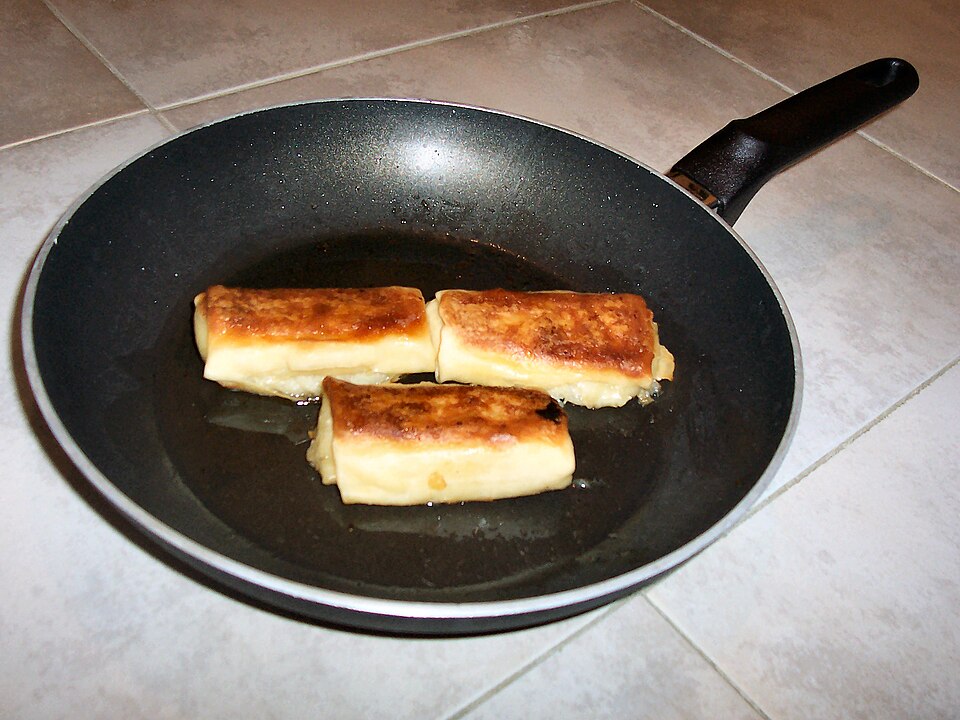
Nonstick cookware is one of the more significant sources in a home kitchen. Australian researchers estimate that Teflon-coated pans contain thousands, and possibly millions, of microplastic particles. A simple crack or fracture in the coating is enough to release more than 2 million particles. New studies have also found that plastic and nonstick cookware more broadly releases microplastics into food during the cooking process itself.
Plastic food containers present a separate problem. One study found that all reusable plastic takeout containers typically used by restaurants contain microplastics. Heating those containers or running them through a dishwasher increases the amount that transfers into food. The rise of home delivery services, with their heavy reliance on single-use plastic packaging, has made this exposure more common.
Plastic utensils also contribute. Studies show they release microplastics into food, particularly when used with hotter dishes. The particles settle into the body and enter the bloodstream along with the food itself.
Tea bags add to the list. The concern there extends beyond the obvious plastic packaging to the bags themselves, which in many cases are made from plastic-based materials that break down during brewing.
For cooks looking to reduce their exposure, the alternatives follow a clear pattern: cast iron, stainless steel, glass, and ceramic replace plastic and nonstick surfaces in most kitchen applications. The shift is driven less by environmental preference than by a growing body of research on what those everyday materials are quietly adding to meals.