More oil moved through the Strait of Hormuz on Monday than on any single day since the Iran war began, U.S. Energy Secretary Chris Wright said Wednesday. The number was more than 17 million barrels carried by ship in a single day.
Wright spoke to CNBC's Brian Sullivan from Venezuela, five days after President Donald Trump announced a major oil deal with the interim government in Caracas. Chevron has separately pledged to double its Venezuelan oil production, according to CNN.
Before the war started on February 28, roughly 20 million barrels per day of crude and petroleum products moved through Hormuz. Wright said that when Saudi Arabian and United Arab Emirates pipelines that bypass the strait are added in, Monday's total exports from the region actually exceeded pre-war levels.
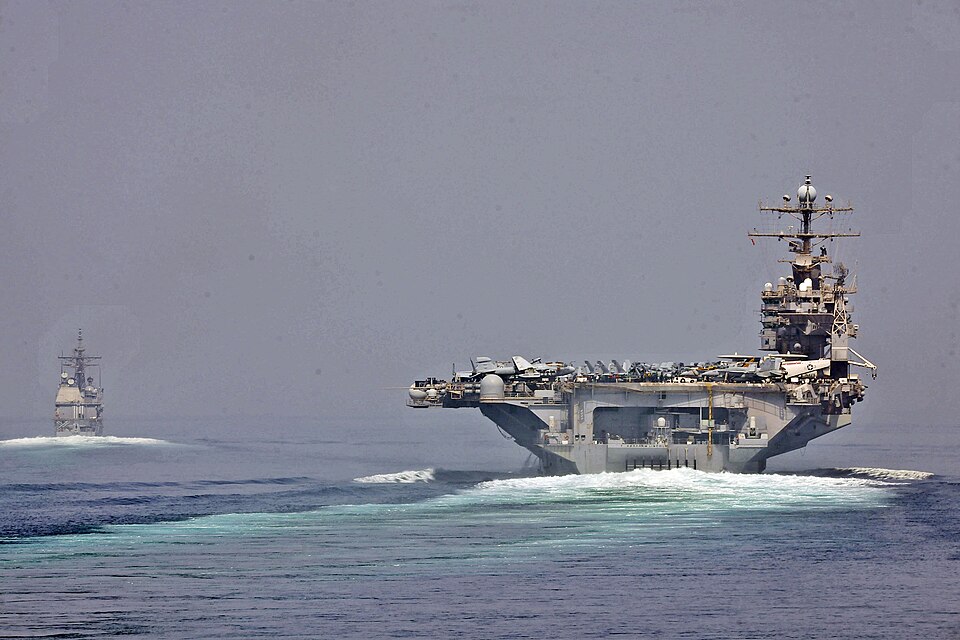
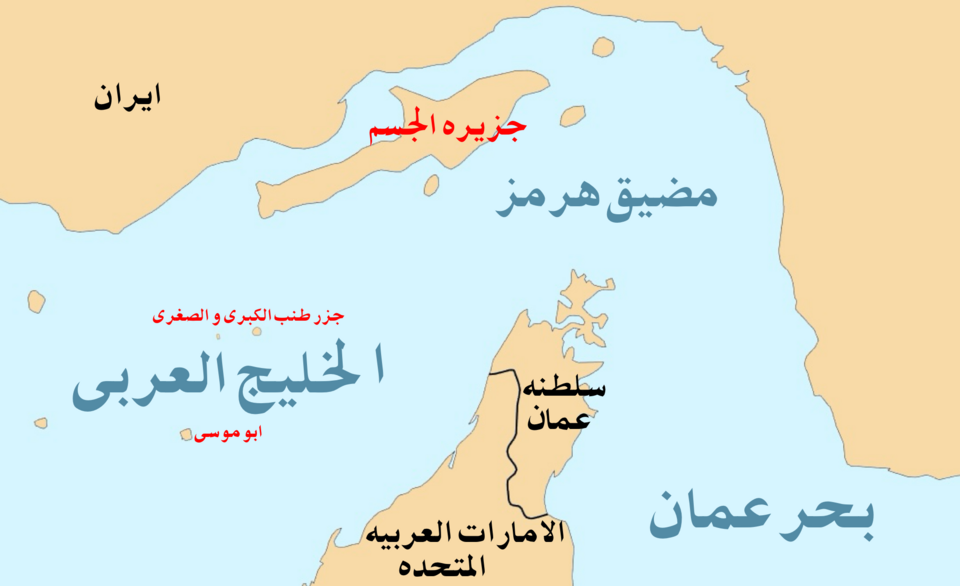
The U.S. military has set up a shipping corridor along Oman's coast. Gulf ally tankers use that route to transit Hormuz, often at night with their transponders turned off to lower the risk of attack. Iran has repeatedly struck tankers using that corridor, demanding commercial ships instead take a northern route through Iranian waters. At least two tankers came under attack in the strait earlier this week, according to incident reports from the United Kingdom Maritime Trade Operations Centre.
Wright said Iran is losing its ability to hold global energy markets hostage. "With or without Iran, oil and gas will flow out of the Arabian Gulf region and it's happening," Wright told CNBC Wednesday. Tehran is "causing some disruption but they are losing that card," he said.
The U.S. government's figures on Hormuz traffic are higher than those reported by independent ship tracking firms. Wright has said the U.S. military and the Department of Energy hold the best data because private companies frequently miss covert transits.
U.S. crude oil futures were down roughly 1% on Wednesday, though the contract hovered near $90 per barrel earlier in the session as Washington and Tehran continued to trade military strikes, breaking a stretch of relative calm. Bloomberg reported that renewed hostilities pushed equity futures lower and kept bond yields elevated, leaving a September interest rate hike in play.