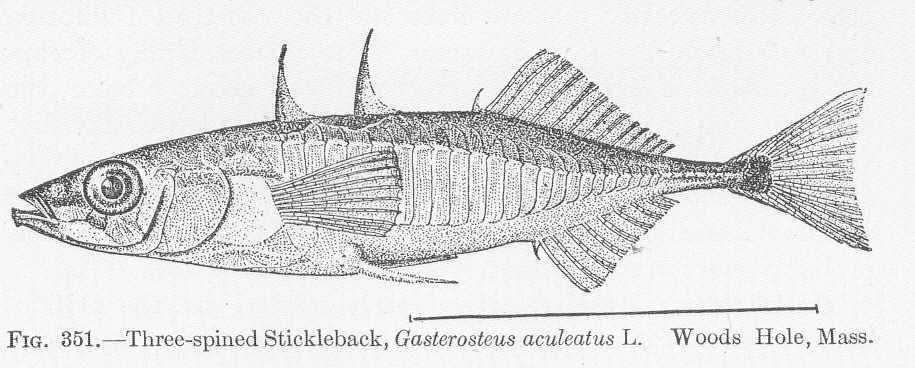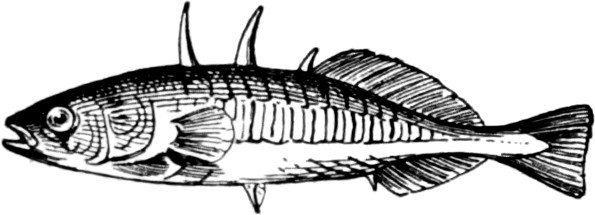
When the water gets cloudy, stickleback fish get closer. A new study from the University of Bristol found that three-spined sticklebacks change their group behavior in murky water, swimming in tighter formation and aligning their movements more closely to compensate for reduced visibility. The findings were published in Proceedings of the Royal Society B.
Turbidity, the cloudiness of water caused by particles like algae, mud, and silt, is increasing in many rivers and coastal waters. Farming, mining, construction, and other forms of pollution all contribute to that cloudiness. For aquatic animals, murkier water means it is harder to see food, other members of their group, or predators.
Researchers from Bristol's School of Biological Sciences placed shoals of sticklebacks in water ranging from clear to deeply murky and then introduced food suddenly to observe how the groups responded.
Fish in murkier water took longer to find food overall compared to fish in clear water. But group size changed that outcome. In larger groups, fish responded more quickly. And in small groups living in murky water, fish that stayed close together and swam in the same direction reached food faster than those that did not coordinate as tightly.
The relationship worked differently in clearer water. In larger groups with good visibility, tighter coordination actually slowed the group down. The fish appear to adjust their social rules depending on what the environment demands.
Christos Ioannou, professor of behavioral ecology at Bristol and corresponding author of the study, described the key finding. "When we put an unexpected piece of food in the water, it took the fish longer to find it when the water was cloudier. This makes sense and has been shown before in different aquatic species. However, we were excited to see that the sticklebacks were able to compensate for this challenge by changing their shoaling behavior. Their shoals became more coordinated, with the fish moving and aligning themselves much more closely in poor conditions. This, in turn, meant the fish were able to find the food faster than if they weren't coordinating," Ioannou said.
Before food even appeared, fish in murky water were already adjusting. They swam closer together, aligned their movements more carefully, and responded more readily to the behavior of nearby group members, particularly in smaller groups. That pre-adjustment suggests the fish are not simply reacting to finding food but are actively shifting their social behavior in response to environmental conditions.
Sticklebacks are common freshwater fish found in ponds, streams, and rivers across the Northern Hemisphere. They naturally encounter a wide range of water clarity in the wild, which may explain why they have developed this kind of behavioral flexibility.