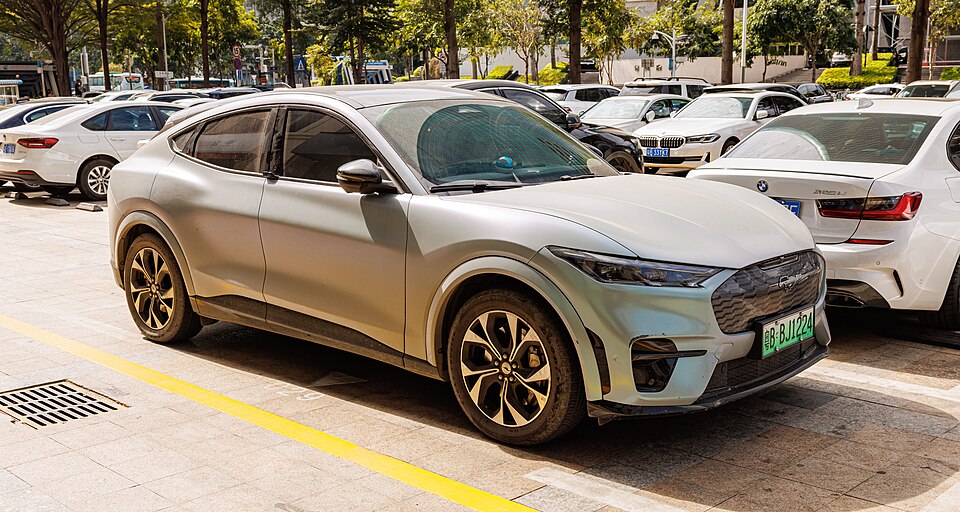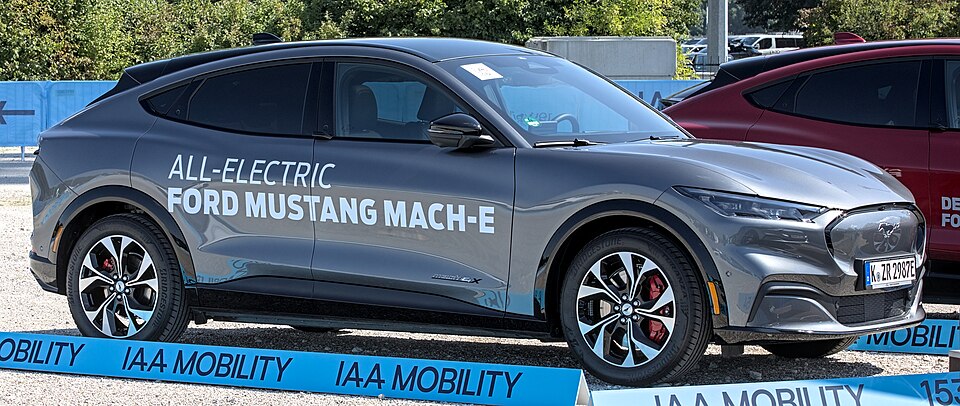
Robotaxis are now operating on London's streets. Uber launched the city's first public autonomous vehicle service on September 3, 2026, through a partnership with British self-driving company Wayve. Customers who request an UberX, Uber Comfort, or Uber Electric ride could be matched with a Ford Mustang Mach-E outfitted with Wayve's self-driving technology.
According to reporting by CNET and Engadget, Uber received its license to operate autonomous vehicles in London only last month. That license requires a human safety operator to remain present in the front seat at all times. Riders will receive a notification before an autonomous vehicle heads their way, giving them the option to request a traditional car instead.
Pricing for robotaxi rides will match Uber's standard rates. Passengers will not be prompted to tip, even though a human supervisor is present. They can still leave a tip manually through the Trip History page.
The vehicles are equipped with cameras and radar. Wayve says its AI Driver maintains "full 360-degree visibility around the car at all times." Unlike autonomous vehicle systems that depend on high-definition maps and hand-coded rules, Wayve uses foundational AI models that allow its system to learn from real-world environments and apply driving skills "to unexpected scenarios, even without prior training exposure." The company says this allows the technology to adapt to new roads, vehicles, weather conditions, and cities quickly.
Wayve was founded in 2017 and began operating on London's public roads in 2020. Uber and Wayve announced their collaboration in 2024, agreeing to bring Wayve-powered vehicles to the Uber network. Trials on public streets in London followed in 2025.
London presents specific challenges for autonomous vehicles. The city has narrow, one-way streets and a pedestrian culture that observers describe as assertive. The city's black-cab industry has already experienced disruption from ride-hailing apps, and autonomous vehicles could trigger further changes in how the city's transportation workforce operates.
Wayve's competitors in the autonomous vehicle space include Waymo, Zoox, Nuro, Avride, and May Mobility, all of which have partnerships with either Lyft, Uber, or both. Waymo has announced plans to launch its own robotaxi service in London sometime this year, pending regulatory approval.
The London launch is not the only expansion on the horizon. Uber and Wayve have announced plans to bring self-driving Nissan Leaf vehicles to Tokyo later this year. Uber also currently operates autonomous vehicle fleets in Dallas, Las Vegas, Atlanta, and Austin, with expansion plans for Los Angeles and the Bay Area.
The robotaxi announcement came the same week Uber said it is laying off approximately 10 percent of its staff. CEO Dara Khosrowshahi said in a message to employees that the cuts involve "simplifying team structures" by eliminating several management roles. The company said it plans to invest more in ride-hailing, delivery, and robotaxi operations.