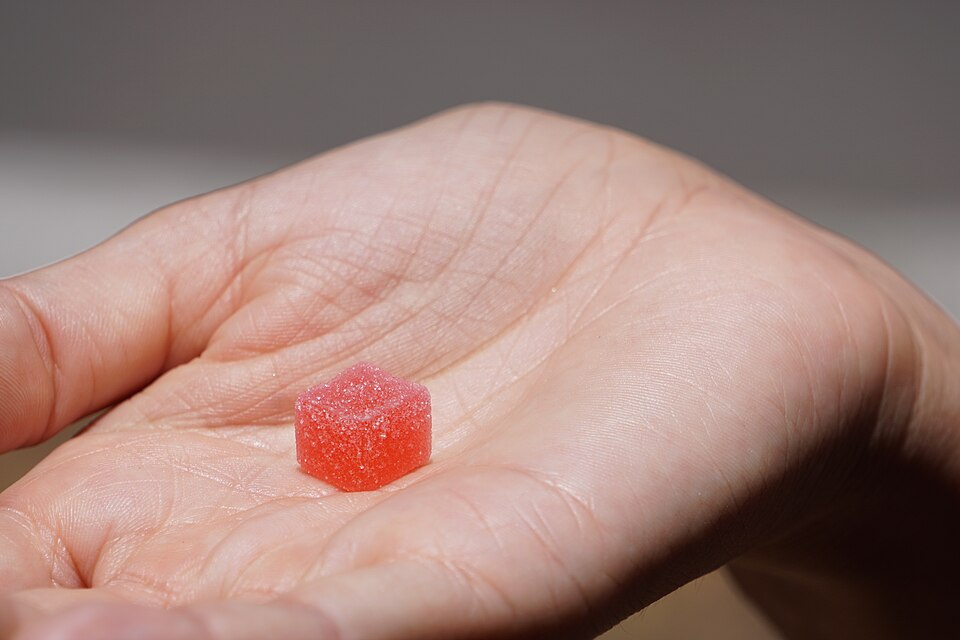
A new study published in JAMA Network Open found that eating cannabis edibles can significantly impair driving performance even when blood THC levels remain well below the legal limit used in most roadside enforcement. The findings raise questions about how authorities test for cannabis-impaired driving, particularly as edibles become more widely used.
Researchers at the Centre for Addiction and Mental Health in Toronto recruited 40 healthy adult volunteers who regularly use cannabis. Each participant attended four sessions and consumed soft-chew gummies containing either 0, 2, 10, or 20 milligrams of THC. Participants then completed driving simulator tests at two, five, and 24 hours after consuming the gummies. The tests measured lane position, reaction time, and speed consistency.
Drivers who consumed the 10- and 20-milligram doses showed measurable impairment at the two-hour and five-hour marks. Compared with placebo, those participants had greater variability in lane position. The 20-milligram dose was also linked to slower reaction times and less consistent speed control.
Blood samples collected during the study told a different story than the simulator results. The highest average blood THC concentration was 1.6 nanograms per milliliter after the 10-milligram dose and 3.4 nanograms per milliliter after the 20-milligram dose. Both averages fell below the commonly used 5-nanogram-per-milliliter threshold, although some individual samples did exceed that level.
The contrast with smoked cannabis is notable. In a previous study by the same research team, participants showed similar levels of driving impairment after smoking cannabis but reached an average peak blood THC concentration of 30.3 nanograms per milliliter, nearly 10 times higher than the 20-milligram edible group. That gap suggests blood THC concentration alone may not reliably predict impairment when edibles are involved.
Participants appeared aware of their own condition. They reported lower willingness to drive and reduced confidence in their driving skills after consuming the gummies. That self-awareness did not, however, eliminate the impairment measured on the simulator.
The study had limitations. All driving tests were conducted on virtual simulators rather than actual roads. Most previous cannabis-driving research has focused on smoked or inhaled marijuana, which spikes blood THC levels more rapidly than edibles. Edibles are absorbed more slowly through digestion, which researchers say can produce impairment even when blood concentrations remain relatively low.
The findings were reported by Fox News and draw attention to a gap in impaired-driving enforcement in Canada and some U.S. jurisdictions where legal THC thresholds were established largely based on data from smoked cannabis.