

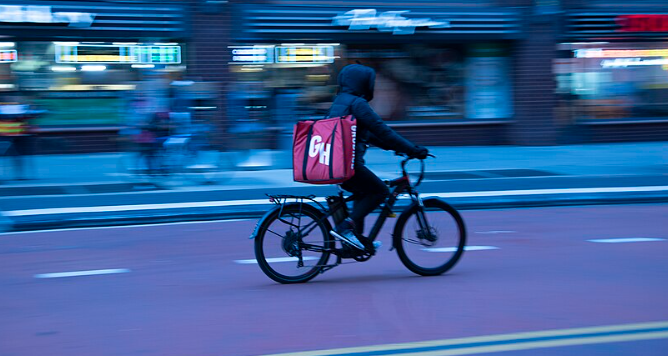
New York City Mayor Zohran Mamdani is leading a major effort to regulate the gig economy, particularly focusing on delivery apps like DoorDash. The latest action is a $131.5 million settlement with DoorDash over alleged violations of city delivery-worker laws.
The settlement builds on worker protections that began before Mamdani took office. New York City adopted its minimum-pay law for app-based restaurant delivery workers in 2021. The Eric Adams administration established the first minimum-pay rate in 2023 after a lengthy rulemaking process. DoorDash, Uber Eats and Grubhub challenged the rule in court but were unsuccessful in stopping it.
The Department of Consumer and Worker Protection said its investigation found that DoorDash underpaid some workers, failed to pay others and made some payments late. The problems covered work performed between April 2022 and June 2026.
Under the settlement, more than $115 million will go directly to delivery workers. More than $16 million will go toward civil penalties and costs. About 264,000 workers are expected to receive money.
DoorDash said some of the payment problems were caused by technical issues and complicated delivery situations. These included canceled orders and deliveries that crossed city boundaries. The company said the errors were not intentional and said it has corrected the problems.
The settlement is the largest worker settlement in New York City history, according to City Hall. It is also the largest municipal settlement involving food delivery workers in the United States.
Regulating delivery services has proven difficult, especially when thousands of workers depend on this income source for their livelihoods.
New York City currently requires covered restaurant and grocery delivery apps to pay workers at least $22.13 an hour for covered delivery time, not including tips. The rate is adjusted annually for inflation.
Earlier this year, the city also reached settlements with Uber Eats, Fantuan and HungryPanda over minimum-pay violations. The companies agreed in January to pay more than $5 million in restitution, penalties and damages affecting nearly 50,000 workers. Uber Eats also agreed to reinstate workers who had been wrongfully deactivated, potentially affecting as many as 10,000 people.
A separate HungryPanda settlement announced in April addressed fees charged to restaurants. The city said HungryPanda had violated its fee-cap law and in some cases charged restaurants thousands of dollars in improper fees. The company agreed to pay more than $875,000.
The Mamdani administration has also targeted the way delivery apps handle tips. The city said a study found that changes made by DoorDash and Uber Eats to their tipping interfaces reduced delivery workers' tip earnings by more than $550 million. New York has since required covered apps to make tipping options more visible during checkout.
In August, Mamdani backed a bill called the Delivery Protection Act. The legislation focuses on companies that use large networks of subcontractors to make final deliveries to customers.
The proposal would establish city oversight of "last mile facilities." It would also create new worker-safety standards and make large companies more responsible for conditions involving drivers and delivery workers who move packages from warehouses to customers.
Amazon is one of the companies specifically cited by the Mamdani administration because it relies heavily on contractors and subcontractors for final deliveries.
Supporters of the legislation say companies should not be able to avoid responsibility for working conditions by relying on subcontractors. The administration has also argued that more oversight could improve street safety for delivery workers, drivers and pedestrians.
The DoorDash settlement is separate from the proposed Delivery Protection Act. One involves enforcement of existing food-delivery worker laws. The other would create additional rules for a broader part of the package-delivery industry.
DoorDash has also agreed to provide detailed payment information to the city as part of the settlement. The company is expected to strengthen its compliance systems so the city can monitor whether workers are being paid correctly.
The current enforcement campaign continues a years-long expansion of protections for app-based delivery workers in New York City. Those protections now cover minimum pay, payment transparency, access to bathrooms and tipping practices.
The city says stronger enforcement is necessary because many delivery workers are independent contractors and do not receive the same protections as traditional employees. Delivery companies have argued in past litigation that some of New York City's requirements are costly and unusually complicated.
The $131.5 million DoorDash settlement now places renewed attention on whether other major delivery platforms are fully complying with the city's rules.