

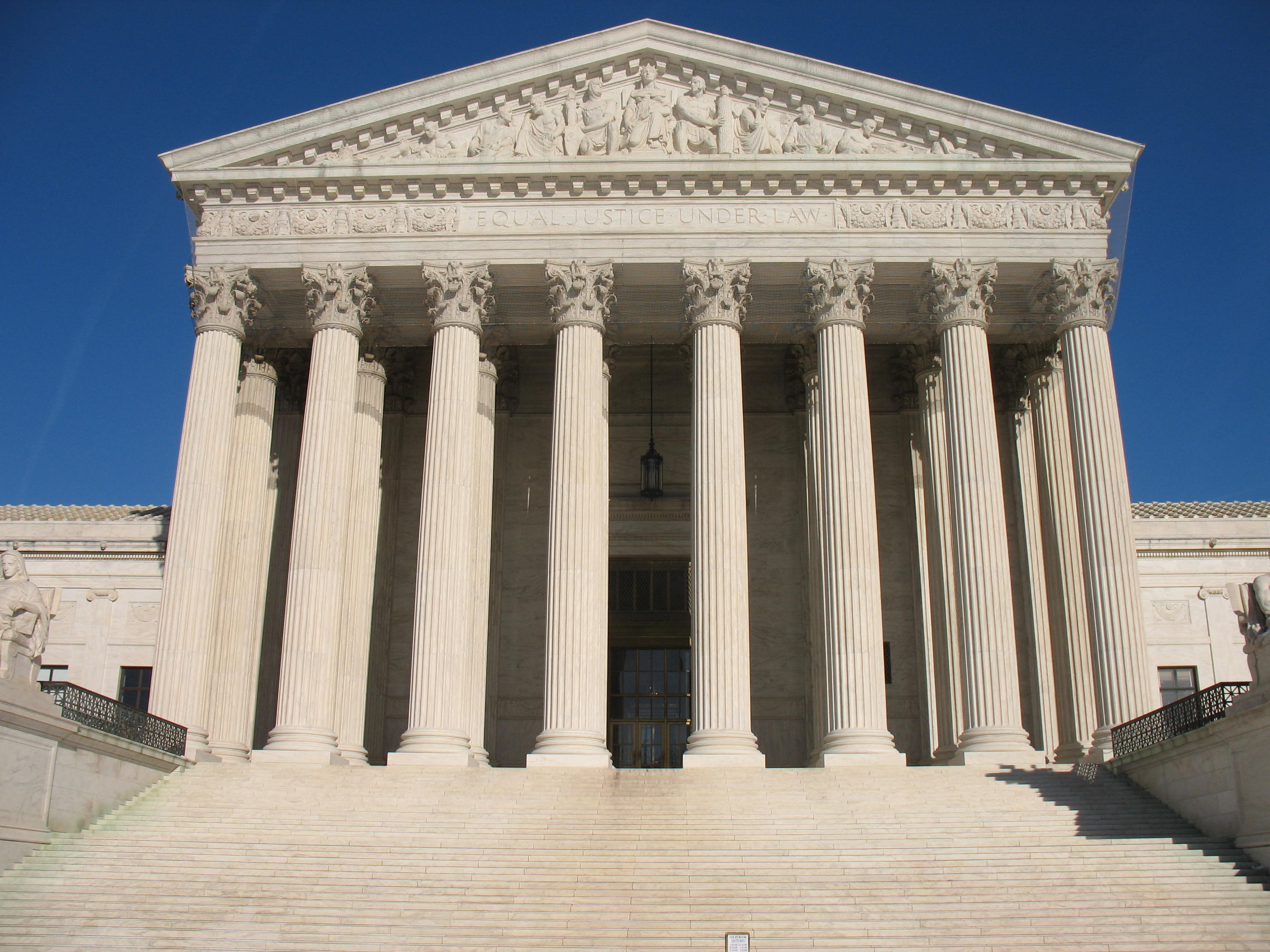
The U.S. Supreme Court on Tuesday allowed the Trump administration to resume deportations of migrants to countries that are not their own. This decision comes after a lower court had ordered a pause in the practice citing concerns about due process and potential harm to detainees. The court's brief order did not explain why it chose to allow the deportations to resume.
The justices agreed to hear the case during the court's December argument session. They directed both sides to address whether the district court had jurisdiction and whether it could grant classwide relief. The court will also consider whether the policy violates federal immigration law or the Due Process Clause as well as protections involving persecution and torture.
Solicitor General John Sauer argued that the third-country deportation policy is a necessary tool to remove dangerous aliens including those convicted of serious crimes. He said in court papers that the government needs the policy when countries refuse to take back their citizens.
The Department of Homeland Security claimed that the lower court’s rulings have caused logistical problems including canceled flights and diplomatic tensions. The administration said it has deported more than 25,000 people under the policy. Many were sent to Mexico while others were sent to countries in Africa and Latin America.
District Judge Brian Murphy in Boston had ruled against the deportation policy. Murphy found that migrants must receive meaningful notice and an opportunity to raise fears of persecution or torture before being sent to a third country. The First U.S. Circuit Court of Appeals largely upheld his ruling earlier this month.
The National Immigration Litigation Alliance represents migrants challenging the policy.
Lawyer Trina Realmuto wrote that people removed without notice have been detained arbitrarily and faced beatings sexual assault disappearance and being sent back to places where they had already been granted protection. The claims were made in court filings opposing the administration's request for a stay.
The government argued that if a country has promised not to persecute or torture individuals that should be enough for the U.S. to proceed with deportations. The administration says the assurances allow removals to take place without individual hearings in every case.
The Supreme Court’s September 29 order allows those removals to continue while the case is pending. Justices Sonia Sotomayor Elena Kagan and Ketanji Brown Jackson would have denied the administration's request to stay the lower court ruling.
The decision to allow deportations to resume is temporary and subject to further review by the justices. The administration said it has used this policy to remove individuals who would otherwise remain in the U.S. indefinitely.
Critics say the practice puts vulnerable people at risk of harm and violates international norms. United Nations human rights experts called on the administration this week to halt third-country deportations because of concerns about persecution torture and other abuses.
The justices’ decision leaves open questions about how much power lower courts have in shaping immigration policy. It also leaves unresolved how much notice and opportunity to object migrants must receive before being sent to another country.
The government has said it will continue to use third-country deportations as part of its overall strategy to reduce illegal immigration. The Supreme Court’s order does not end the debate over the practice but it allows the administration to proceed while legal questions are resolved.
The administration’s position reflects its broader approach to immigration which emphasizes deterrence and rapid removal of individuals deemed dangerous or ineligible. The policy has drawn criticism from human rights groups and legal advocates who argue it undermines protections for vulnerable populations.
The government’s argument is that the system works best when it allows for quick removals and avoids long delays in court proceedings. Migrants challenging the policy argue that those efficiencies cannot override legal protections against removal to places where a person may face persecution or torture.
The Supreme Court’s decision leaves open the question of how much notice must be given to individuals before deportation orders are carried out.
The Supreme Court’s order does not resolve all legal issues and the case will return to the court for arguments during its December 2026 session. The eventual ruling could determine both the legality of the third-country removal policy and the power of federal courts to provide broad relief against it.