

Meta has released open-source code that enables developers to create their own hardware devices powered by the company's new AI agent called Muse. The company is also offering a dedicated smart home gadget it built itself named the Muse Home Link.
Meta manufactured 5,000 Muse Home Link devices and is offering them through a waitlist as a giveaway according to The Verge. Shipping is expected to begin in October.
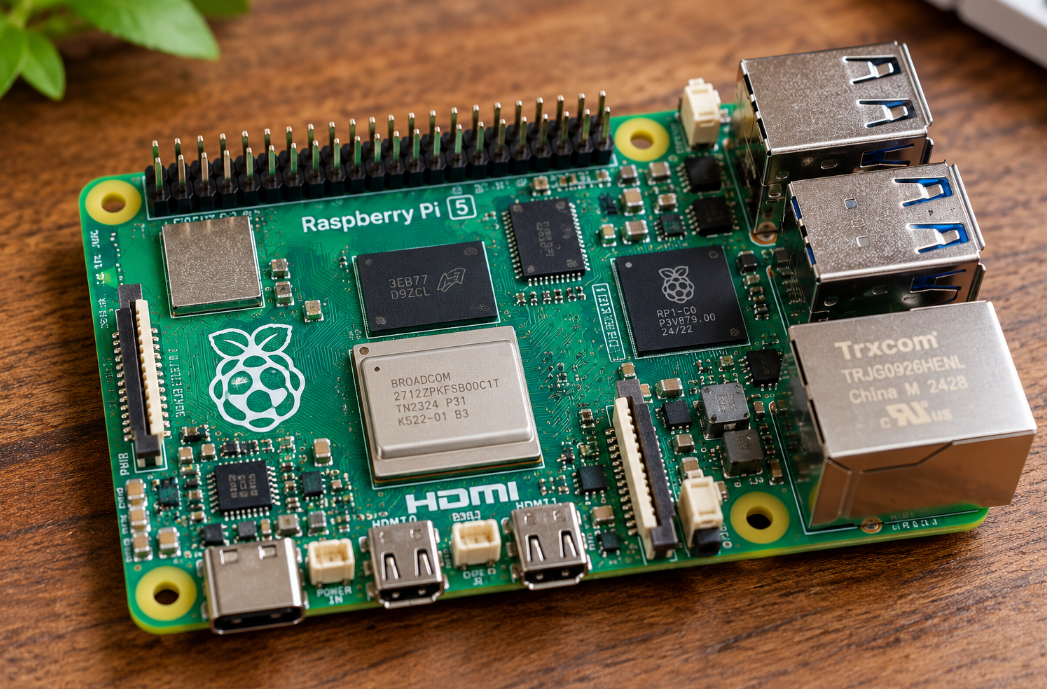
Meta's initiative includes software development tools and firmware that help users bring the AI agent to their own hardware projects. Developers can use common boards such as the ESP32 or a Raspberry Pi and then connect displays; buttons; sensors; or other components.
The company has shared ideas about what these gadgets might look like including an E Ink display, an HDMI dongle for televisions, and a touchscreen accessory similar to the Muse Charm. Although the platform is flexible developers can also connect the AI agent to other types of devices beyond the suggested formats.
That flexibility could make the project useful to people who want to create a business around AI hardware.
A developer could build an AI information display for offices; restaurants; stores; warehouses; hotels; or medical waiting rooms. A small company could also create a specialized desktop device that handles reminders; schedules; inventory alerts; customer requests; or other routine tasks.
The important difference is that an entrepreneur would not have to create the underlying AI agent from the beginning. Meta is providing the connection to Muse while developers can concentrate on the hardware and the problem they want the product to solve.
That could lower the cost of experimenting with an AI product. A person could begin with an inexpensive development board and basic display before spending money on custom manufacturing.
One possible business model would be creating AI devices for a particular industry. A developer might build a countertop assistant for a repair shop that tracks appointments and parts while another company could create a display for a restaurant that monitors reservations and supply needs.
The opportunity is not limited to selling physical devices. Developers could charge businesses to install systems; customize them; connect them to existing services; and provide ongoing technical support.
Another possibility is building software skills that make the hardware more useful. Meta says the Muse Home Link can use community-built skills to turn on lights; control televisions; send documents to printers; and perform other actions depending on the equipment connected to it.
A developer could apply the same idea to business equipment.
For example a custom skill might connect Muse with a store's order system and display new orders on a dedicated screen. Another could watch inventory data and notify workers when an item is running low.
Meta has also expanded Muse specifically for small businesses. The company says Muse can connect with services such as Shopify; Stripe; QuickBooks; Canva; Slack; Notion; Zoom; Dropbox; Figma; Box; and Asana.
Muse can also connect to Facebook Pages; Instagram professional accounts; and Meta advertising accounts. Meta says the agent can examine information from connected services and help with tasks such as reviewing sales performance; finding unusual expenses; drafting marketing campaigns; or identifying messages that require attention.
These tools create another possible path for entrepreneurs who do not want to manufacture hardware. Someone could build a consulting or setup business that helps local companies connect their existing software to AI and create useful workflows.
A restaurant owner may not want to learn how AI connectors work. A consultant could set up an agent that watches reservations; prepares social media drafts; reviews customer questions; and provides a daily summary for the owner.
The same idea could apply to real estate companies; online stores; contractors; salons; accountants; or other small operations. The business opportunity would come from understanding the customer's workflow and configuring AI to save that customer time.
Meta says Muse supports custom connectors for services that are not already supported. That could allow developers to build integrations for specialized business software and potentially sell those integrations or the services needed to maintain them.
People interested in launching an AI business should still begin with a specific problem rather than simply building something because it uses AI. A product that reduces missed appointments or saves workers several hours each week has a clearer reason for customers to pay for it.
A practical approach would be to build a simple prototype and test it with a small number of businesses. Feedback from those businesses could show which features customers actually value before the developer invests in custom cases; manufacturing; marketing; or larger production runs.
Developers also need to consider privacy and security when an AI agent has access to business accounts or physical devices. Meta says Muse requires user approval before it publishes; sends; or spends money through its small-business tools.
The Muse hardware project is still new and there is no guarantee that businesses built around it will succeed. Developers will also depend on Meta continuing to support Muse and its development tools.
Meta has created a Discord community to support the open-source project and encourage collaboration among users. That could help independent developers share projects and learn how other people are connecting Muse to hardware.
The Muse Charm was introduced by CEO Mark Zuckerberg at the Connect event last week. He presented the pocket-sized device as another way for people to interact with Muse without relying only on Meta's smart glasses.
The Muse Home Link offers a more experimental approach because community developers can decide what equipment and skills it should control. Meta may also learn from those projects as it considers what types of AI hardware people actually want.
It is not yet clear whether Meta plans to expand the hardware project beyond its current scope. However the open-source release gives developers an opportunity to test AI hardware ideas without building the entire software system themselves.
For entrepreneurs the larger lesson may be that AI can become the foundation of a business rather than the business itself. The strongest opportunity could be finding a useful problem; connecting AI to the right software or hardware; and creating something customers are willing to pay for.