

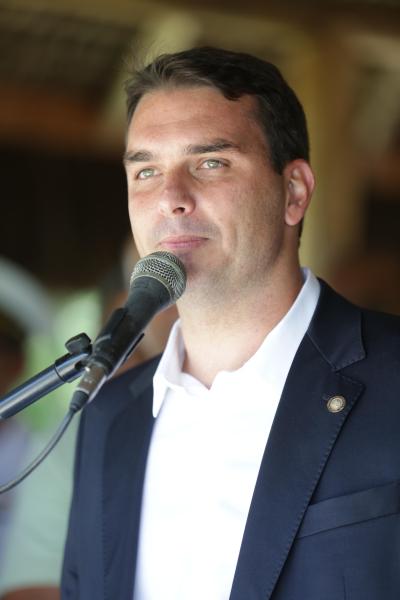
Brazil’s presidential election has ended with a runoff between Senator Flávio Bolsonaro and President Luiz Inácio Lula da Silva. Bolsonaro finished first with about 47% of the valid vote while Lula received about 45%.
The runoff is scheduled for October 25 and the next presidential term begins on January 5 2027. Bolsonaro is an ally of U.S. President Donald Trump and said the first-round result showed that Brazil wants change.
Lula responded by saying he is good in the knockout stage of elections and will campaign hard for the final vote.
Both candidates now have three weeks to appeal to voters who did not support them in the first round, according to CBS News. Ronaldo Caiado and Renan Santos have previously said they will not back either candidate in the runoff.
Bolsonaro has promised to reduce crime and move Brazil closer to the United States. He also said that Brazil needs better trade deals with the United States, especially in rare minerals.
Lula is seeking a fourth nonconsecutive presidential term. His campaign is emphasizing social programs while also presenting the race as a question of Brazilian sovereignty and independence from outside pressure.
A cellphone vendor from Brasília named Maria Ribeiro said she voted for Bolsonaro’s eldest son because she values religious freedom.
A photographer named Lorena Zschaber was concerned about the close ties between Bolsonaro’s son and his father. Lula supporter Alvaro Senra said conservative groups and neo-Pentecostal churches played an important role in the first-round result.
Rosângela Resende da Rocha supported Lula because of his social programs and his opposition to Trump. She expressed concern about the level of U.S. influence over Brazil.
The election results show a divided country with strong opinions on both sides of the political spectrum. The first round also strengthened Bolsonaro's Liberal Party in Congress.
The next president will be in charge of a population of over 214 million people and one of the largest economies in Latin America. The race could also affect Brazil's relations with the United States and China.
The final vote will be a test of how much the Brazilian public supports change or stability in leadership. Voters across Brazil are now watching closely as both candidates make their final appeals.