

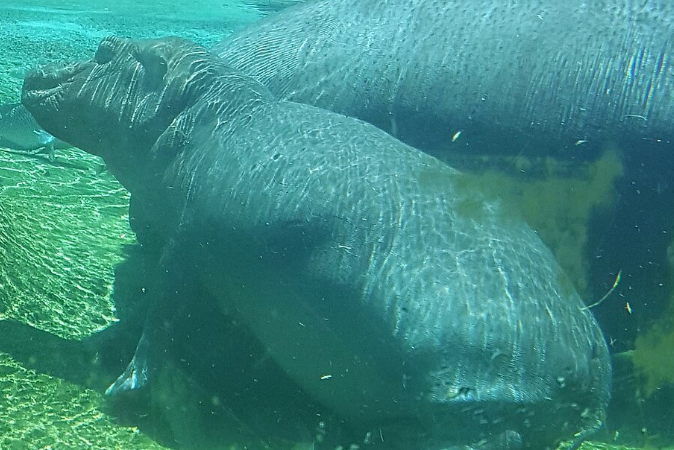
Fiona, the Nile hippopotamus whose remarkable survival after a premature birth made her an international sensation, died Thursday, November 19, 2026, at the Cincinnati Zoo & Botanical Garden in Ohio. The nine-year-old hippo suffered complications after swallowing a knitted hat that accidentally entered her enclosure 11 days earlier. Veterinarians provided around-the-clock treatment, but their efforts to help her pass the object were unsuccessful.
The zoo announced Fiona's death Thursday afternoon, bringing a heartbreaking end to an animal care emergency that had attracted widespread public attention. Her caregivers had monitored her closely and attempted several treatments, including a specialized vibration platform intended to help move the hat through her digestive system. Fiona would have celebrated her 10th birthday on January 24, 2027.
How a Visitor's Hat Entered Fiona's Enclosure
The incident occurred November 8 when a zoo visitor tossed a knitted hat into the air near the hippopotamus viewing area. A ceiling fan caught the hat and redirected it through a small opening above the viewing windows. The object landed inside Fiona's habitat, where she swallowed it.
Zoo spokesperson Michelle Curley described the incident as accidental. There was no indication that the visitor intended to harm Fiona or deliberately place the hat within her reach. Nevertheless, the unusual sequence of events created a serious medical emergency for an animal that weighed thousands of pounds.
Unlike ordinary food, a knitted hat cannot be broken down easily by a hippopotamus's digestive system. Such materials can become trapped or interfere with the movement of food through the intestines. Fiona's veterinary team initially hoped the hat would move naturally through her system without requiring invasive treatment.
The zoo publicly disclosed the situation and provided updates as her condition was monitored. Staff members watched her appetite, movement and behavior for signs of discomfort or worsening illness. Supporters responded with messages of encouragement, hoping Fiona would overcome another challenge.
Veterinarians Tried Several Treatments to Save Fiona
Fiona received intensive care during the days following the incident. Veterinarians administered fluids, pain medication and anti-nausea treatment while monitoring her digestive system. They also used enemas in an effort to help move the swallowed material through her body.
The medical team sedated Fiona twice to perform examinations and investigate the location of the obstruction. Veterinarians conducted a colonoscopy using a scope approximately nine feet long, but the examination did not locate the hat. The difficulty of accessing a hippopotamus's digestive system made treatment especially challenging.
An ultrasound performed Tuesday revealed bunching in part of Fiona's intestines. Dr. Mike Wenninger, the zoo's director of animal health, said the findings suggested something was moving through her small intestine. However, the examination did not establish that the hat would pass safely.
The team also tried an unusual technique involving a vibration plate borrowed from a nearby horse farm. Fiona was encouraged to stand on the platform several times each day. Caregivers hoped the gentle movement would help the object travel through her digestive tract.
Veterinary specialists advised that surgery was not a practical option for a full-grown hippopotamus in Fiona's condition. Her caregivers therefore continued supportive treatment while looking for signs of improvement. Despite these efforts, her health deteriorated, and emergency treatment on Thursday failed to save her.
Cincinnati Zoo Mourns a Beloved Animal
The zoo confirmed Fiona's death in an official statement Thursday, describing the loss as devastating for the people who had cared for her since birth. Cincinnati Zoo Director Dave Jenike acknowledged that staff members had not expected the medical emergency to end this way. He praised the veterinary and animal care teams for their efforts throughout the crisis.
Jenike said Fiona's caregivers had done everything they could to help her. The zoo also asked the public to respect the privacy of employees who had developed close relationships with the hippopotamus. Many had known Fiona throughout her entire life.
Thane Maynard, the zoo's executive board chair, described Fiona as an extraordinary animal whose influence extended far beyond Cincinnati. Her survival story had inspired millions of people and drawn international attention to the zoo. The organization also credited her with increasing public interest in hippopotamuses and their conservation.
The Association of Zoos and Aquariums expressed sympathy for the facility and recognized the intensive care Fiona received. Its response emphasized the dedication of the professionals who worked to save her. The tragedy brought attention to the medical challenges involved when large zoo animals swallow foreign objects.
Fiona Became Famous After Her Premature Birth
Fiona was born January 24, 2017, approximately six weeks before her expected delivery date. Weighing just 29 pounds, she was far smaller than a typical newborn Nile hippopotamus, which usually weighs between 55 and 120 pounds. Her unusually low birth weight created immediate concerns about whether she would survive.
The premature calf was initially too weak to stand or nurse from her mother, Bibi. Zoo veterinarians and caregivers stepped in to provide warmth, nutrition and continuous medical attention. The team developed specialized feeding and care routines while helping Fiona gain strength.
Her earliest weeks were marked by significant challenges, but she gradually learned to stand, walk and swim. Videos documenting those accomplishments attracted millions of viewers online. Supporters followed her progress closely, celebrating each improvement as she grew stronger.
The zoo's animal care staff became widely recognized as Team Fiona. Their regular updates introduced viewers to the challenges of caring for a premature hippopotamus and the work of veterinary professionals. Fiona's development also provided educational opportunities about animal health, behavior and conservation.
Over time, she became one of the Cincinnati Zoo's most recognizable residents. Books, merchandise and public events celebrated her remarkable beginning, while photographs and videos continued reaching audiences around the world. Visitors traveled to Cincinnati specifically to see the hippopotamus whose survival had captured so much attention.
Fiona's Life With Her Hippo Family
As Fiona matured, she became an important member of the zoo's hippopotamus family. Her mother, Bibi, remained a familiar companion, and the two were frequently photographed together. Their interactions gave visitors opportunities to observe the behavior of Nile hippopotamuses.
Fiona gained a younger brother when Fritz was born on August 3, 2022. His arrival attracted considerable attention from people who had followed Fiona's development since infancy. The siblings became another popular feature of the zoo's hippopotamus habitat.
Although Fiona was famous, her caregivers also used public interest in her life to explain the challenges faced by hippopotamuses in the wild. The species is native to sub-Saharan Africa, where habitat loss, human conflict and illegal hunting threaten populations. Educational programs encouraged visitors to learn about protecting these large semiaquatic mammals.
Fiona's unusual story made those conservation messages accessible to a wide audience. Her popularity demonstrated how individual animals can help people develop an interest in species they might otherwise know little about. The zoo credited her with encouraging greater awareness and concern for hippopotamus conservation.
Tributes Pour In Across Cincinnati
News of Fiona's death prompted reactions from residents, public officials and organizations throughout Cincinnati. Mayor Aftab Pureval remembered her as a symbol of determination and happiness for the community. Ohio Governor Mike DeWine also paid tribute to the animal, describing her as an important local icon.
The Cincinnati Bengals joined the expressions of sympathy, recognizing Fiona's special place in the city. Fans posted photographs and memories on social media, recalling visits to the zoo and the years they spent following her progress. Some supporters traveled to the facility after learning about her death.
Flowers and cards appeared near a statue dedicated to Fiona outside the zoo's entrance. For many families, the hippopotamus had become part of their children's earliest experiences with wildlife. Her death was especially difficult for people who remembered watching her fight for survival as a newborn.
The public response also reflected the close relationship between Fiona's caregivers and her supporters. Zoo employees had shared important stages of her life through photographs, videos and educational updates. Those years of communication created a community of people who followed her development well beyond Ohio.
Zoo Safety Becomes an Important Reminder
Fiona's death demonstrates the dangers that everyday objects can pose when they enter animal habitats. Hats, plastic containers and other foreign materials may become serious hazards if animals swallow them. Even objects that seem harmless can create medical emergencies involving the digestive system.
The circumstances of Fiona's accident were unusual, involving a visitor's hat being redirected by a ceiling fan. Zoo officials emphasized that the incident was not intentional. Nevertheless, the case underscores the importance of keeping personal belongings secure around animal enclosures.
Visitors can help prevent similar incidents by following posted rules and promptly notifying employees when objects enter restricted areas. Animal care teams may then have an opportunity to retrieve those items before they are swallowed. Fiona's case showed how difficult treatment can become once a foreign object enters the digestive tract of a large animal.
For Cincinnati Zoo staff, the immediate priority remains supporting the people who cared for Fiona throughout her life. Her premature birth in 2017 began a story that inspired millions, while her death in 2026 brought an unexpected loss to the community. The zoo has asked supporters to remember Fiona and the caregivers who worked to save her.