

A U.S. Army lieutenant colonel arrested in Britain on suspicion of espionage involving Russia has been transferred to American military custody. Brandon Carroll Tyner, 41, was detained near Gloucester, England, on November 10, 2026, during an investigation involving British counterterrorism police and U.S. authorities. The transfer was announced Tuesday, November 17, after British prosecutors reviewed the case and authorities agreed that American officials would continue the investigation.
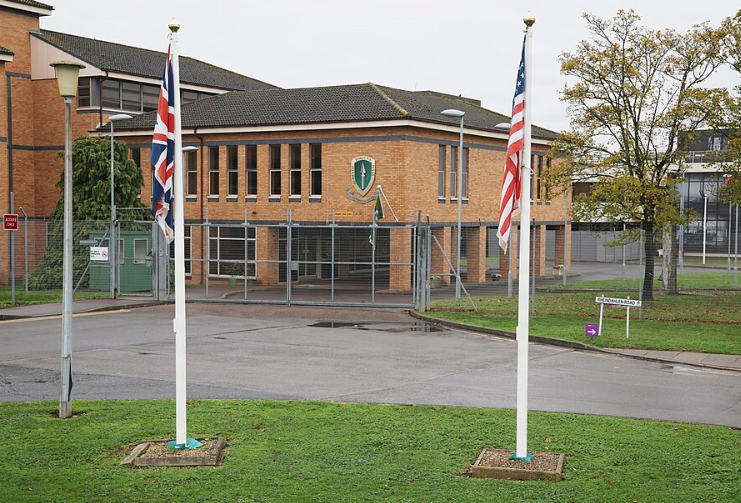
Tyner was serving as a senior human resources officer at Imjin Barracks, home to NATO's Allied Rapid Reaction Corps headquarters in Gloucestershire. His position placed him within an important multinational military organization responsible for preparing forces to respond to international security crises. Authorities have not publicly disclosed the precise information he is suspected of seeking or whether any classified material was compromised.
British Police Transfer Investigation to U.S. Authorities
The Metropolitan Police confirmed that Tyner was initially arrested under Sections 1 and 3 of Britain's National Security Act 2023. The provisions address conduct involving assistance to foreign intelligence services and the obtaining or disclosure of protected information. British officials identified Russia as the country connected to the suspected offenses.
Following his arrest, Tyner was held at a London police station while investigators examined the allegations. Officers also searched two locations in Gloucestershire as part of the investigation. British authorities obtained additional authorization to keep him in custody while their inquiries continued.
On November 17, police announced that the investigation had been transferred to American authorities. The decision followed consultations involving Britain's Crown Prosecution Service, Attorney General's Office and U.S. officials. Rather than formally charging Tyner in Britain, authorities agreed that the U.S. military would assume responsibility for the next stage of the case.
Assistant Commissioner Laurence Taylor, head of Counter Terrorism Policing, described the allegations as extremely serious. He explained that transferring the investigation was consistent with existing international procedures between the two countries. British officials emphasized that their cooperation with American investigators would continue despite the change in custody.
Officer Served at Important NATO Headquarters
Tyner was assigned to the Allied Rapid Reaction Corps, a multinational NATO headquarters based at Imjin Barracks near Gloucester. The organization prepares military forces for rapid deployment during international emergencies and major security operations. It operates under British leadership and includes personnel from several NATO member countries.
The headquarters plays an important role in coordinating military planning and preparing forces for potential operations. Its personnel work within an environment where sensitive military information and international cooperation are essential. However, authorities have not established publicly that Tyner obtained or attempted to transfer classified NATO documents.
According to American military officials, Tyner joined the Army in 2008 and served in several overseas assignments. His previous deployments included Afghanistan, Iraq and Qatar. He later worked in personnel management and human resources before his assignment in Britain.
Although his duties focused on military personnel, investigators said he occupied a position involving access to sensitive information. The Army has not disclosed exactly what materials were available to him or what information is relevant to the allegations. Those details may become important if American prosecutors decide to pursue formal charges.
FBI and Army Counterintelligence Investigate
The investigation involves multiple American and British security organizations. Participants include the FBI, U.S. Army Counterintelligence Command, Britain's domestic intelligence agency MI5 and British defense counterintelligence officials. The FBI's Philadelphia field office and its legal attaché office in London have also participated.
FBI Director Kash Patel described the arrest as a significant development involving espionage allegations. He emphasized that the bureau would not tolerate conduct that endangered American national security or violated the responsibilities of military service. His statement also praised cooperation between the United States and Britain.
Brigadier General Sean Stinchon, commanding general of U.S. Army Counterintelligence Command, expressed similar concerns. He described the allegations as a reminder of the danger posed by potential insider threats within military organizations. Stinchon also credited British investigators and federal law enforcement personnel for their work on the case.
The involvement of several agencies reflects the international nature of the investigation. British police initially handled the arrest and searches, while American authorities participated in gathering information and coordinating the response. The U.S. military will now determine how to proceed under the applicable American legal system.
Questions Remain About Alleged Russian Connection
Although investigators have identified Russia as the country linked to the allegations, they have released few details about the suspected activity. Authorities have not explained whether Tyner allegedly contacted Russian intelligence personnel, attempted to provide information or participated in another form of prohibited conduct. The lack of public details makes it difficult to assess the extent of any potential security breach.
The Associated Press reported that an American official said Tyner had not transferred information to Russian authorities. That account has not been accompanied by a detailed public explanation of the evidence collected during the investigation. It also does not establish whether investigators believe he attempted to provide information or committed another offense.
The Kremlin has denied having any connection to Tyner. Russian officials have not acknowledged any intelligence operation involving the American officer. The allegations therefore remain disputed, and no public court finding has established that Tyner participated in espionage.
The distinction between an arrest and a criminal conviction remains important. Tyner was detained on suspicion of violating British national security legislation, but the transfer to American custody did not itself establish criminal guilt. As of November 17, authorities had not publicly announced formal criminal charges against him.
Separate Investigation Involving Iranian Suspects
Tyner's arrest followed another national security investigation involving a British military installation used by American forces. In September, British authorities investigated an alleged plot involving RAF Fairford, a U.S.-operated military facility near Gloucester. The case involved suspects accused of connections to Iranian-backed activity.
American prosecutors subsequently announced charges against three people accused of participating in a planned attack involving the installation. Those allegations remain separate from the investigation involving Tyner. The Metropolitan Police specifically stated that the Army officer's arrest was not connected to other ongoing British counterterrorism investigations.
The geographical proximity of the cases attracted attention because both involved security concerns surrounding American military operations in Britain. However, investigators have not established any operational connection between the two matters. Their separate circumstances should not be treated as evidence of a broader coordinated espionage campaign.
U.S. Military Takes Responsibility for Next Steps
The decision to transfer Tyner into American military custody creates the possibility of proceedings under the U.S. military justice system. Depending on the evidence and applicable law, investigators could recommend charges or take other action. No specific prosecution timetable has been announced.
American military personnel are subject to legal responsibilities involving the protection of classified information and the safeguarding of national security. Allegations of assisting a foreign intelligence service can carry serious consequences when supported by evidence. However, the offenses originally cited by British police do not automatically become formal charges under American law.
Investigators must determine whether any unlawful activity occurred and whether the evidence supports prosecution. That process could involve examining communications, assessing access to sensitive material and reviewing information gathered during the British investigation. Authorities have not publicly confirmed which investigative steps are underway.
The case also demonstrates the importance of cooperation between allied security agencies when suspected offenses cross national boundaries. British investigators carried out the initial arrest, while American military and federal authorities participated in the investigation from its early stages. Officials from both countries have described their cooperation as essential to protecting shared security interests.
Tyner remains in U.S. military custody while the espionage investigation continues. Authorities have not announced formal charges or publicly identified any classified information transferred to Russia. The next significant development will depend on whether American investigators determine that the evidence supports criminal proceedings.