

Hundreds of thousands of people gathered in Prague on Sunday, November 15, 2026, to protest a government proposal that would change how the Czech Republic finances its public television and radio broadcasters. Organizers estimated that between 350,000 and 400,000 people attended the demonstration at Letná Park, making it one of the country's largest protests since the end of communist rule in 1989.
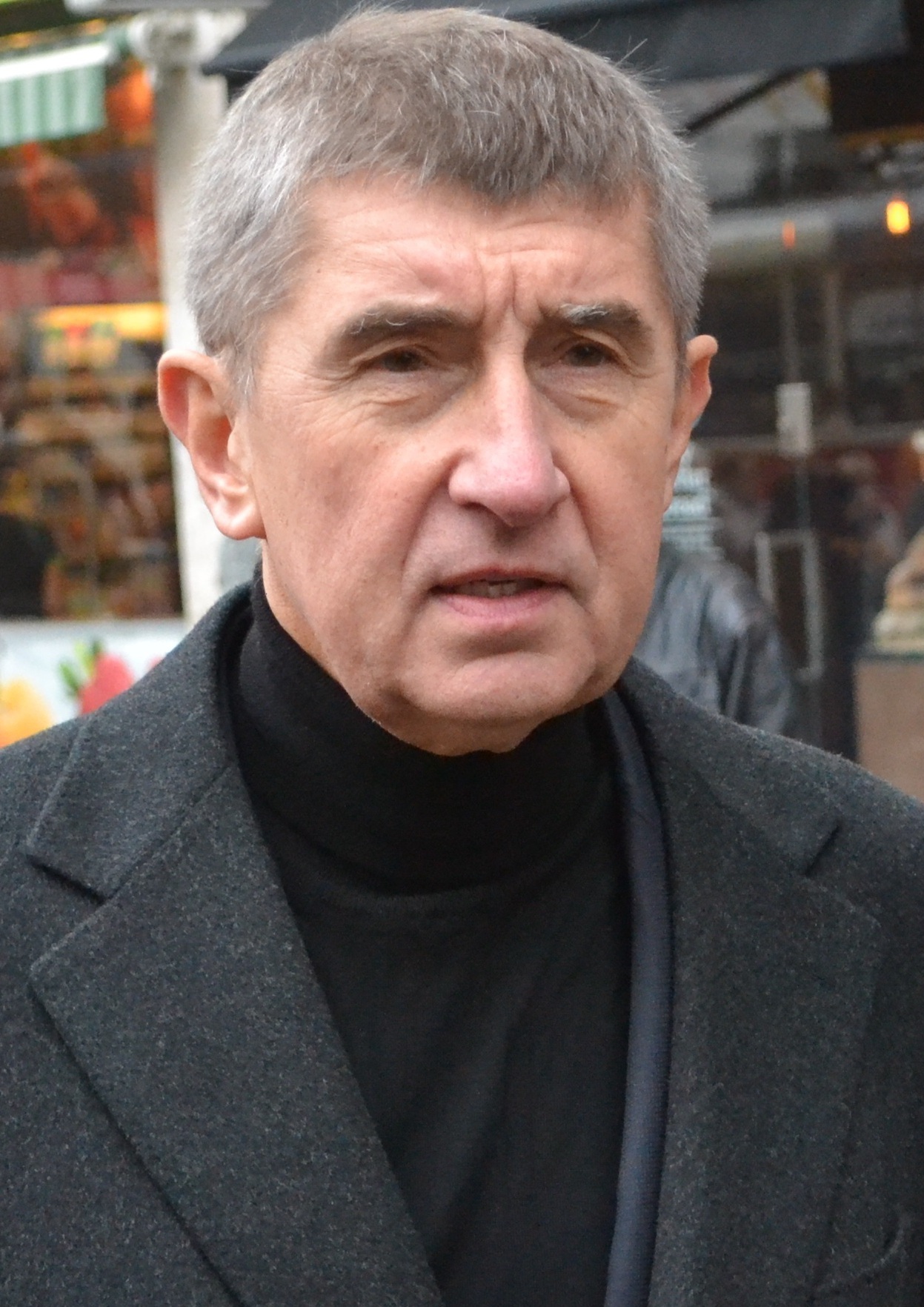
The crowd demanded that Prime Minister Andrej Babiš withdraw legislation that would replace household broadcasting fees with direct funding from the national budget. Opponents warn that the change could weaken independent journalism and give politicians greater influence over the country's public media organizations.
The demonstration took place two days before the anniversary of the November 17, 1989, protests that helped launch the Velvet Revolution. The location carried particular significance because Letná Park became a gathering place for enormous demonstrations during the peaceful movement that brought an end to communist rule in Czechoslovakia.
Thousands Gather in Historic Letná Park
The protest was organized by Million Moments for Democracy, a civic organization that has previously led large demonstrations against Babiš and his political allies. Its chairman, Mikuláš Minář, estimated attendance at approximately 400,000, although other reports placed the figure closer to 350,000.
Demonstrators arrived from across the Czech Republic, carrying national flags and signs calling for the protection of independent journalism. Some wore folded newspaper hats associated with a familiar character from Czech children's television, turning the accessory into a symbol of support for public broadcasting.
One banner declared, "Hands off the media," while another warned against repeating developments in neighboring Slovakia. Protesters expressed concern that bringing broadcasters under direct state financing could make their editorial independence dependent on decisions by the governing coalition.
Minář told the crowd that elected governments have the right to govern but should not be allowed to dismantle democratic institutions. He urged officials to withdraw the proposal and work with independent experts on protections for public-service journalism.
The size of the demonstration also reflected broader dissatisfaction with the government's policies. Some participants criticized its approach to national defense, relations with European institutions and support for Ukraine.
Government Wants to Replace Broadcasting Fees
Czech Television and Czech Radio currently receive much of their funding through mandatory fees paid by households and businesses. The arrangement provides a revenue source separate from the government's annual budget decisions, although the broadcasters remain subject to public oversight.
Households currently pay a combined monthly fee of 205 Czech koruna for television and radio services. The total consists of 150 koruna for television and 55 koruna for radio, representing approximately $9.25 at recent exchange rates.
Babiš's government wants to abolish those fees and finance the broadcasters directly through the state budget. Officials argue that the change would reduce household expenses and establish a financing system with stronger accountability for public spending.
However, the proposal would also reduce funding for public broadcasting by approximately 15%. Broadcasters and their supporters say the reduction could force layoffs, limit original programming and weaken news operations.
According to Reuters, the proposed reduction would leave Czech Television with a nominal budget comparable to its 2008 level. Czech Radio's budget would fall to a level last seen in 2005, creating additional pressure as production and operating costs have increased.
Critics argue that funding directly controlled through government institutions could create opportunities for political pressure. They fear that future administrations might use budget decisions to influence editorial priorities or punish coverage they dislike.
Overnight Parliamentary Vote Sparks Anger
The controversy intensified on October 24 when the governing coalition advanced the proposal through its first parliamentary reading. The vote followed an overnight debate during which coalition lawmakers restricted the time available for opposition members to speak.
The legislation passed its initial stage at 4:36 a.m., a detail that quickly became a symbol of public anger. Critics accused the government of attempting to rush through a significant change without adequate debate or consultation.
Thousands protested the following day, demanding that the government withdraw the legislation. Demonstrators repeatedly referenced the early-morning vote, while opposition politicians questioned why such an important proposal had been advanced so quickly.
The bill must still complete additional parliamentary stages before becoming law. The government has maintained that it intends to continue pursuing the legislation despite growing public opposition.
Public Broadcasters Stage Strike
The dispute escalated further on November 3 when employees of Czech Television and Czech Radio participated in a one-day strike. The action disrupted some broadcasting operations and drew support from organizations outside the media industry.
University students, labor unions, artists, churches and professional organizations joined demonstrations or expressed solidarity with public media workers. International journalism groups also raised concerns about the possible effects on editorial independence.
The workers argued that the proposed funding changes could undermine their ability to provide news coverage without political interference. They also warned that reduced budgets would affect regional reporting, cultural programming and other services that commercial broadcasters might not provide.
Supporters of the public broadcasters emphasize their role in informing citizens about government decisions and public affairs. They argue that reliable access to independent news becomes especially important during political disputes involving those who control government spending.
Babiš Rejects Claims of Political Interference
Prime Minister Babiš has rejected accusations that his government intends to control public-service journalism. He says the funding proposal fulfills a commitment to reduce costs for households while maintaining the broadcasters' independence.
His government consists of the ANO movement and two coalition partners, Freedom and Direct Democracy and Motorists for Themselves. Coalition officials have criticized what they describe as political bias in Czech public and private media.
Supporters of the proposal argue that government financing does not automatically eliminate journalistic independence. They contend that appropriate legal protections and financial guarantees can prevent political interference while giving taxpayers greater oversight.
Opponents remain unconvinced because the proposal combines a change in funding arrangements with a substantial reduction in resources. They believe the two measures together could weaken broadcasters regardless of whether politicians directly interfere with news coverage.
The dispute has also become part of a wider political disagreement over the direction of the Czech Republic. Babiš has opposed several European Union policies on migration and environmental regulation and has taken a different position from some European allies on financial support for Ukraine.
Concerns Over Media Freedom Reach European Parliament
The controversy has attracted attention beyond the Czech Republic. European lawmakers discussed media freedom and the rule of law during a European Parliament session in the days before Sunday's demonstration.
EU Justice Commissioner Michael McGrath emphasized that public broadcasters require adequate and predictable financial support. He also stressed that national funding arrangements must be based on transparent and objective standards.
The European Union has adopted measures intended to strengthen media freedom and protect editorial independence throughout its member states. Those requirements provide a framework for examining national changes that could affect public-service broadcasting.
Protesters have pointed to developments in Slovakia and Hungary as reasons for concern. Critics of media reforms in those countries have argued that changes to public broadcasting oversight and management increased the potential for political influence.
The Czech government rejects suggestions that its proposal would create similar conditions. Whether the legislation complies with European media independence standards will depend on its final provisions and how they are implemented.
Protesters Also Challenge Defense Policy
Although public media funding was the central issue, demonstrators also criticized the government's approach to national security. Some accused the coalition of failing to maintain sufficient defense spending and weakening the country's position among NATO allies.
Protesters called for the resignation of Defense Minister Jaromír Zůna, who is associated with Freedom and Direct Democracy. The demands reflected broader tensions surrounding the governing coalition rather than a direct component of the broadcasting legislation.
The Czech Republic has faced pressure from NATO allies over defense expenditure. Disagreements about assistance to Ukraine have also contributed to domestic debate about the country's foreign policy priorities.
These issues helped bring together groups with different political concerns. For many participants, the demonstration was as much about government accountability as it was about the immediate future of Czech Television and Czech Radio.
Government Faces Further Parliamentary Debate
The legislation remains under consideration following its initial parliamentary approval. The government has not announced that it will withdraw the measure, despite the large turnout and continuing opposition from public media employees.
Organizers say they intend to maintain pressure on lawmakers as the bill advances. Their immediate objective is to prevent the replacement of broadcasting fees without stronger protections for editorial independence.
The next parliamentary stages will determine whether the coalition can secure final approval and whether changes will be made to the funding arrangement. The dispute is likely to remain prominent during the November 17 commemorations marking the anniversary of the Velvet Revolution.
For now, Sunday's gathering has demonstrated the scale of public opposition to the proposed changes. The central question facing lawmakers is whether they can reform public broadcasting finances without weakening the independence that protesters are demanding they protect.