

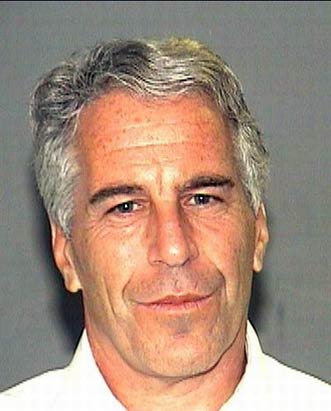
A forensic expert has challenged the official finding that Jeffrey Epstein died by suicide in a New York federal jail in August 2019. Professor Michael Freeman presented a new analysis on Monday, November 16, 2026, arguing that Epstein's injuries were more consistent with strangulation by another person than with self-inflicted hanging. His findings have renewed questions about the circumstances surrounding the death of the convicted sex offender, who was awaiting trial on federal sex trafficking charges.
Freeman based his assessment on autopsy photographs, medical records and a reconstruction of the death scene. He did not personally examine Epstein's body, and his research has not undergone peer review. The New York City Office of Chief Medical Examiner continues to stand by its determination that Epstein died by suicide.
New Forensic Analysis Questions Neck Injuries
Freeman, a forensic medicine researcher and consultant, spent months reviewing records provided by Epstein's younger brother, Mark Epstein. His investigation focused on injuries documented during the original autopsy and whether they matched the circumstances reported by prison staff. He presented his findings in London alongside two other researchers.
The team included Anders Eriksson, a professor of forensic medicine at Umeå University in Sweden, and Itiel Dror, a researcher specializing in cognitive bias and forensic decision-making. Their analysis examined how physical evidence can be interpreted differently depending on the assumptions investigators make. The researchers questioned whether the original investigation adequately considered alternative explanations for Epstein's injuries.
Speaking to BBC Newsnight, Freeman said the medical records showed signs he believed were more consistent with homicide. He identified what appeared to be fingernail marks above the ligature injury on Epstein's neck. Freeman suggested those marks could indicate an attempt to remove a ligature tightened by another person.
He also questioned the direction and position of the marks around Epstein's neck. In his assessment, some of the injuries did not match what would ordinarily be expected from the hanging described by prison personnel. He argued that the differences warranted reconsideration of the original finding.
Expert Points to Possible Signs of a Struggle
Freeman identified several additional injuries that he believes were not adequately explained during the original examination. These included a deep hemorrhage in Epstein's left shoulder and injuries to his face. He suggested the pattern could indicate physical contact or an assault before death.
During an interview with CBS News, Freeman described a second neck mark that appeared lower than the injury attributed to hanging. He questioned how both marks could have developed through the same mechanism. His assessment also considered photographs of torn fabric recovered from Epstein's cell.
Freeman believes a narrow, knotted fabric ligature could explain the injuries he observed. He proposed that Epstein may have been strangled from behind and subsequently suspended from his bunk bed. This remains his interpretation of the evidence rather than an established reconstruction of what happened.
The researcher used three-dimensional modeling to compare the documented injuries with the reported position of Epstein's body. He said the reconstruction raised further questions about whether all the injuries could have resulted from hanging. However, other forensic specialists have cautioned that neck injuries can sometimes be difficult to interpret with certainty.
Medical Examiner Stands by Suicide Ruling
The New York City medical examiner's office has rejected suggestions that its original finding should be changed. Responding to the latest claims, the office confirmed that it continues to support the determination made in 2019. The official cause of death remains hanging, with suicide recorded as the manner of death.
Dr. Barbara Sampson was the city's chief medical examiner when Epstein died. She publicly defended the ruling after questions emerged about the autopsy findings. The examination itself was performed by another medical examiner working within her office.
Federal investigators later interviewed the examiner who conducted the autopsy. According to a 2023 Justice Department inspector general report, the examiner explained that Epstein's neck fractures and other physical findings supported hanging. The examiner also reported finding no defensive injuries normally expected in a struggle involving homicidal strangulation.
The federal report described a distinctive upward-sloping ligature mark and other anatomical findings considered consistent with suicide. Investigators found no broken fingernails, debris beneath the fingernails or injuries to the knuckles suggesting a fight. These findings directly conflict with Freeman's interpretation of the photographs.
The difference demonstrates why the latest analysis should not be treated as proof of homicide. Freeman offers a competing forensic explanation, but the medical examiner's original findings remain in force. No official investigation has established that another person killed Epstein.
Prison Security Failures Complicated Investigation
Epstein was found unresponsive in his cell at the Metropolitan Correctional Center in Manhattan on August 10, 2019. He had been detained since July while awaiting trial on federal charges involving the sexual exploitation and trafficking of underage girls. His death occurred before those charges could be presented to a jury.
A Justice Department inspector general investigation subsequently identified serious failures in prison supervision. Staff did not conduct required overnight rounds or inmate counts, and records were falsified to indicate that checks had occurred. Epstein was also left without a cellmate despite instructions that he should not be housed alone.
The investigation found that problems with the prison's recording equipment limited the available surveillance footage. Epstein's cell door was not directly visible on the functioning camera. However, investigators determined that nobody was recorded entering the tier containing his cell during the relevant overnight period.
Federal authorities reviewed the circumstances of his death and found no evidence establishing criminal involvement by another person. The Justice Department's inspector general documented extensive misconduct and negligence by prison employees but did not overturn the suicide finding. A separate FBI review also supported the official determination.
The failures remain important because they affected how the death scene was documented and investigated. Epstein's body was removed from the cell before investigators could conduct a complete forensic examination of its original position. Freeman argues that these shortcomings made it harder to reconstruct the final events accurately.
Epstein's Brother Continues to Challenge Findings
Mark Epstein has disputed the official suicide ruling for years and has sought additional expert opinions. He provided Freeman with copies of medical records and photographs from the original examination. Freeman said his review was independent and that he received no payment from Mark Epstein.
Another forensic pathologist, Dr. Michael Baden, previously questioned the official findings after examining evidence related to the death. Baden raised concerns about fractures in Epstein's neck and suggested that the injuries deserved further investigation. His assessment also differed from the conclusions reached by New York City's medical examiner.
The involvement of multiple outside experts has kept public attention focused on the case. However, disagreement among specialists does not establish a different cause of death. Determining whether injuries resulted from suicide or homicide requires evaluating medical findings alongside investigative records and other available evidence.
Freeman has acknowledged that he cannot identify anyone responsible for the alleged homicide. His investigation was directed toward the medical evidence rather than identifying possible suspects or motives. He has invited other researchers to examine his work and challenge any errors they find.
Research Has Not Yet Passed Peer Review
Freeman's findings were presented publicly before being accepted by a peer-reviewed scientific journal. CBS News reported that a journal had declined to publish his research, although Freeman said he intended to submit it elsewhere. Independent scientific review could help determine whether his methodology and interpretations withstand scrutiny.
The research also has limitations because Freeman did not conduct the original autopsy or personally inspect the body. His analysis depends on the completeness and accuracy of photographs, medical records and descriptions collected by others. Missing documentation or differences in interpretation could influence the reliability of his reconstruction.
The official suicide ruling remains supported by the medical examiner, the Justice Department inspector general's findings and the FBI's review. Freeman's analysis presents a competing interpretation but has not established that a homicide occurred. His next step is to seek additional scientific review, while any change to Epstein's official cause or manner of death would require further action by the appropriate authorities.