

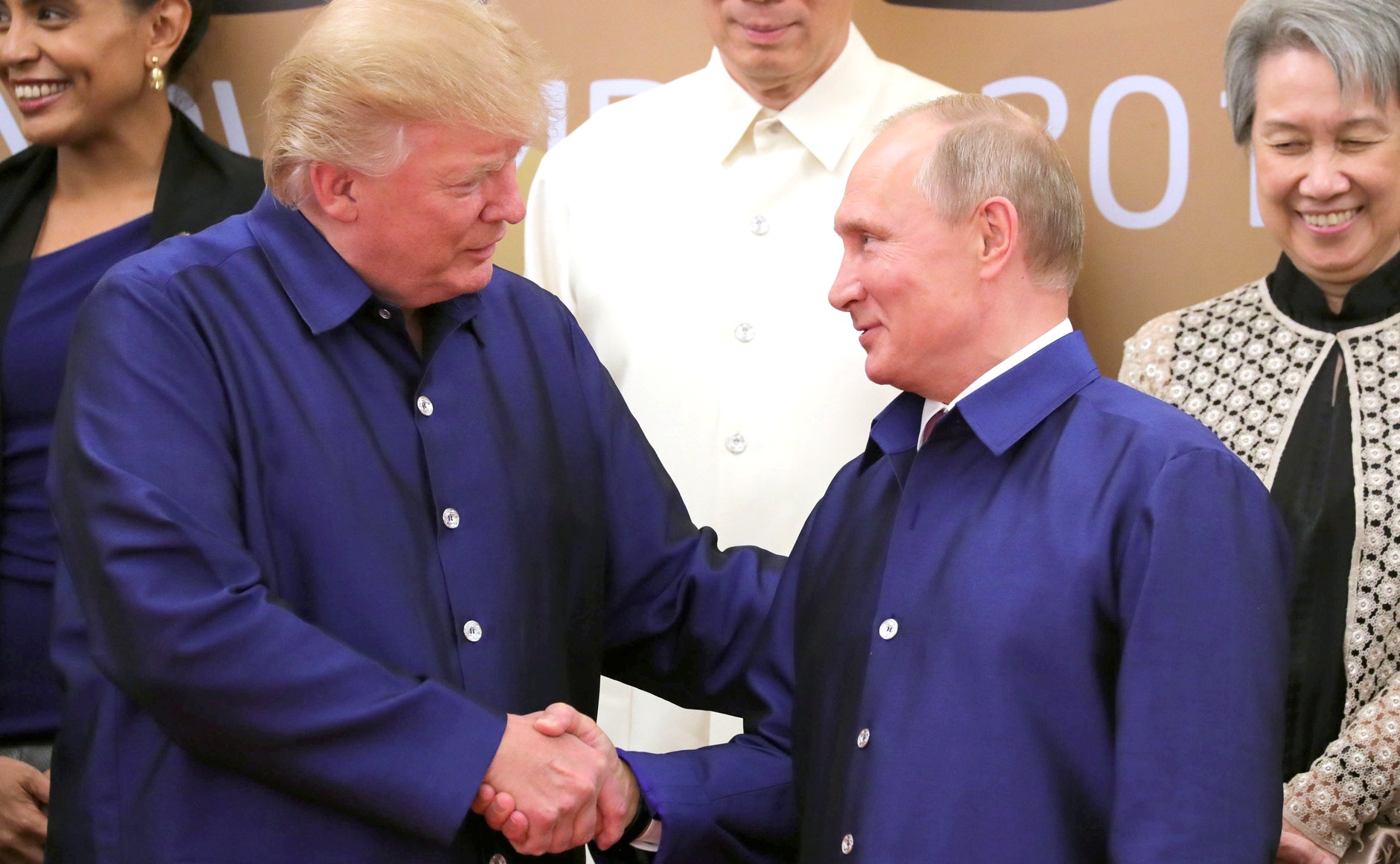
President Donald Trump announced on Friday that Russia will supply up to 4.8 million tons of diesel fuel to the U.S. and global markets under an agreement he reached with President Vladimir Putin. The deal includes an immediate delivery of over 300,000 tons of diesel followed by 500,000 tons in November and another 1 million tons afterward. Additional shipments of up to 3 million tons will be made depending on the condition of Russian refineries, Trump said in a post on Truth Social.
The U.S. Treasury Department issued a temporary waiver of sanctions on Russian diesel through April 2027 to facilitate the release of fuel. Ukrainian President Volodymyr Zelenskyy strongly condemned the arrangement and warned that easing sanctions without Russia agreeing to de-escalate would only extend the war. Zelenskyy said in a social media post that allowing Russia to sell petroleum products would help finance the war rather than bring peace.
He added that Russia would repay the diesel support with further acts of terror and deception.
Diesel prices have risen globally since Ukraine targeted Russian refineries and the war involving Iran disrupted energy supplies across the Middle East. Moscow also banned diesel exports to protect its domestic fuel supplies. Additional disruptions to fuel supplies came from attacks on Middle Eastern energy facilities during the conflict.
Trump is under increasing political pressure to lower fuel prices ahead of the November midterm elections. Republican lawmakers in key states like Iowa are facing tough races where farmers are feeling the economic impact of high diesel costs. Despite these pressures Trump has limited options to reduce fuel prices due to damage done to refining capacity by conflicts in Eastern Europe and the Middle East.
Earlier this month Trump considered imposing a diesel export ban but backed down after industry leaders warned such a move could worsen fuel shortages and disrupt energy markets. He also issued an executive order allowing truckers to use tax-exempt off-road diesel on highways without immediate federal penalties. However the order only delays tax obligations and leaves uncertainty about whether truckers will eventually be required to pay those taxes.
Since Russia’s invasion of Ukraine international sanctions have been imposed on the country affecting its energy exports and economy. In July the Kremlin responded to Ukrainian strikes on Russian energy infrastructure by banning diesel fuel exports. Trump told reporters that the conflict between Ukraine and Russia has caused a rise in diesel prices due to damage to Russian production facilities.
Ukrainian officials have denied that they agreed to stop attacking Russian energy assets. Zelenskyy told CBS News he would only halt attacks on oil and gas targets if Russia agreed to the same terms. He also spoke with U.S. senators at the presidential palace in Kyiv about how the United States could help reduce suffering caused by the war.
Following the announcement diesel futures declined while crude oil prices showed relatively modest movement. Energy analysts warned that the agreement may provide limited relief because much of the Russian diesel could simply be redirected from existing customers. Special envoy Steve Witkoff and Jared Kushner were previously involved in diplomatic efforts concerning Russia and Ukraine.
It remains unclear how much diesel will reach American buyers or whether the agreement will lead to lasting reductions in fuel prices.