

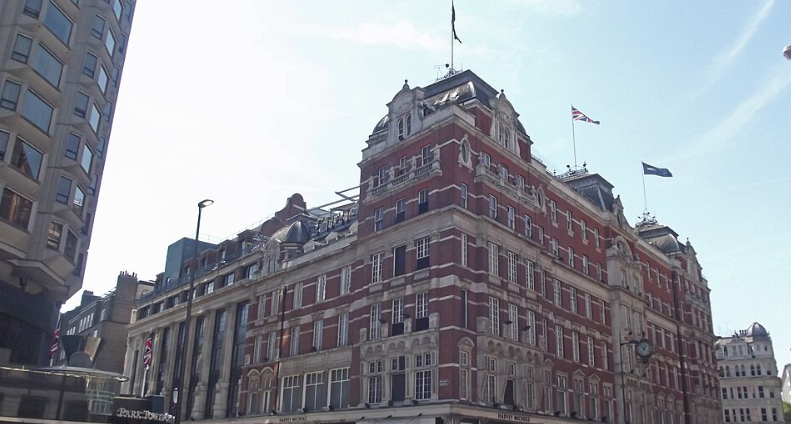
Harvey Nichols is preparing to close its Birmingham department store and convert two other locations into Flannels stores as new owner Frasers Group restructures the struggling British luxury retailer. The changes follow the company's acquisition out of administration in August 2026 and reflect mounting pressure to restore profitability after years of financial losses.
The Birmingham store, located at The Mailbox shopping and leisure complex, is scheduled to close on January 3, 2027. At least 60 jobs are expected to be affected, bringing an end to 25 years of Harvey Nichols trading in the city.
Frasers Group is also converting the retailer's Leeds and Bristol locations into Flannels, its established luxury fashion chain. The changes would leave Harvey Nichols operating under its original name at three principal UK locations: London, Edinburgh and Manchester.
The restructuring marks a significant turning point for a retailer whose history stretches back nearly two centuries.
Birmingham Store to Close After 25 Years
Harvey Nichols opened its Birmingham location in 2001, bringing designer clothing, beauty products and luxury shopping to The Mailbox development.
The store became part of the city's premium retail offering, attracting shoppers looking for international fashion labels and upscale shopping experiences.
However, the location will close at the beginning of next year as Frasers Group reassesses the financial performance and long-term potential of its acquired properties.
Retail Week reported that employees were informed of the closure in early October. At least 60 positions are affected, although the final number of job losses and any redeployment arrangements have not been fully detailed.
The closure comes less than five months after Frasers Group acquired Harvey Nichols through a pre-pack administration transaction.
The deal initially protected more than 1,000 jobs and allowed six UK stores to continue operating while the new owner reviewed the business.
Birmingham's departure illustrates how the initial rescue has moved into a more difficult restructuring phase.
Although Frasers saved much of the chain from immediate closure, it made clear from the beginning that major operational changes would be necessary.
Leeds and Bristol Stores to Become Flannels
The Birmingham decision follows plans to convert Harvey Nichols locations in Leeds and Bristol into Flannels stores.
Flannels is another luxury retailer owned by Frasers Group, specializing in designer fashion, footwear and accessories.
The conversions will allow Frasers to retain a luxury retail presence in those markets while bringing the locations under a brand already established within its wider business.
However, the change means Harvey Nichols will no longer operate under its own name in either city once the conversions are completed.
Frasers Group CEO Michael Murray discussed the plans in an interview with Vogue Business, explaining that Harvey Nichols and Flannels serve somewhat different customers.
Harvey Nichols has historically emphasized luxury department store shopping, including fashion, beauty and hospitality. Flannels has a stronger focus on designer fashion and a customer base concentrated in the United Kingdom.
Murray said approximately 95 percent of Flannels' sales come from the UK, while Harvey Nichols has greater international recognition.
The distinction helps explain why Frasers is maintaining separate identities for the two businesses rather than converting every Harvey Nichols store.
The group appears to be concentrating the Harvey Nichols brand in locations where it believes the name has the greatest potential.
Frasers Plans Investment in Remaining Stores
Despite the closures and conversions, Frasers Group has indicated that Harvey Nichols will remain an important part of its luxury retail strategy.
Murray confirmed that the company has acquired the properties housing Harvey Nichols stores in Edinburgh and Manchester.
The group intends to refurbish both locations, with work on Manchester planned for 2027.
Ownership of the buildings gives Frasers greater control over future improvements and reduces some of the uncertainty associated with negotiating long-term leases.
The company's ambitions for the London flagship are also substantial.
Harvey Nichols' Knightsbridge store is one of Britain's best-known luxury shopping destinations. Frasers wants to invest significantly in the property, although the scale of that investment depends on discussions with the building's landlord, the Cadogan estate.
Murray has described the goal as restoring the London store's standing in the luxury market.
The negotiations are important because a major refurbishment would require considerable financial resources.
Unlike the Birmingham location, the London flagship remains central to Harvey Nichols' identity and international reputation.
The proposed investment suggests Frasers intends to preserve the retailer as a recognizable luxury brand, even as its UK store network becomes smaller.
Dublin Closure Ended Irish Store Operations
Harvey Nichols' restructuring has also affected its business in Ireland.
The company's Dublin store at Dundrum Town Centre closed in September 2026 after its operating company entered liquidation.
The closure followed unsuccessful negotiations to continue trading at the shopping center.
The Irish Times reported that liquidators from Grant Thornton informed employees that the store would close on September 13.
The business employed 33 people and had accumulated substantial financial liabilities.
Court proceedings revealed that the Irish operation had been unable to pay its debts and had experienced several years of difficult trading.
The Dublin business had previously received financial support from its UK parent company, but that arrangement was no longer sufficient to maintain operations.
Although Frasers Group acquired certain Dublin store assets as part of its Harvey Nichols transaction, the wider rescue did not secure a continuing future for the Irish location.
The closure ended Harvey Nichols' physical retail presence in Ireland and added to the number of communities losing the historic brand.
Years of Losses Forced Harvey Nichols Into Administration
Harvey Nichols' financial difficulties developed over several years before its August acquisition.
The company had not reported an annual profit since 2019, reflecting the impact of changing shopping habits, weaker luxury demand and rising operating costs.
The pandemic caused