

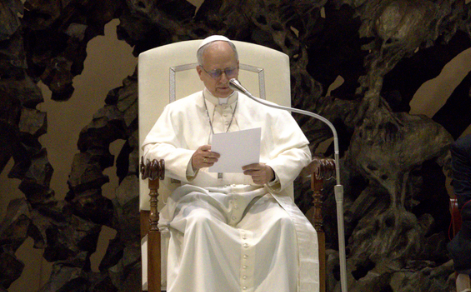
Pope Leo XIV has been diagnosed with lung cancer after undergoing successful surgery at Rome's Agostino Gemelli Hospital on Tuesday, October 13, 2026. Doctors removed the lower lobe of his right lung after discovering a suspicious growth during routine medical examinations.
The Vatican confirmed that the growth was pulmonary adenocarcinoma, a common form of lung cancer. The 71-year-old pontiff underwent a 90-minute operation that was completed without complications, and he regained consciousness normally afterward.
The diagnosis marks the first major health problem publicly disclosed since Leo became pope in May 2025. His public engagements have been canceled through October 20 while he recovers in the hospital.
Surgeons Remove Lower Lobe of Right Lung
The operation took place at the Agostino Gemelli Polyclinic, one of Rome's leading hospitals. The surgical team was led by Professor Stefano Margaritora, a thoracic surgeon specializing in operations involving the lungs and chest.
Doctors used a video-assisted surgical technique to remove the affected section of the pope's lung. The procedure involves a small camera and specialized instruments that allow surgeons to operate through relatively small incisions.
Although the operation lasted approximately 90 minutes, Leo spent about three hours in the operating room. The additional time included preparation, anesthesia and other medical procedures surrounding the surgery.
According to the Vatican's medical bulletin, tissue examined during the operation confirmed the diagnosis of pulmonary adenocarcinoma. Doctors had already suspected cancer based on examinations conducted before the procedure.
After surgery, Leo awoke normally and was transferred to his hospital room following a brief observation period. The Vatican reported that he was recovering without immediate complications.
The pope is staying on the hospital's tenth floor, where medical personnel will continue monitoring his condition.
He is expected to remain hospitalized for approximately one week, although the date of his discharge will depend on his recovery.
Pope Announced Lung Nodule Two Days Earlier
Leo informed Catholics about his upcoming operation during his Sunday Angelus address on October 11.
Speaking to people gathered in St. Peter's Square, he explained that doctors had discovered a small, localized nodule during recent medical examinations.
The pope said the abnormality had been detected at a very early stage and that doctors believed surgery was the appropriate treatment.
He thanked supporters for their prayers and said he intended to follow the medical team's advice.
At the time, the Vatican had not confirmed that the growth was cancerous. The diagnosis became public after the October 13 operation.
On Tuesday morning, Leo arrived at Gemelli Hospital and acknowledged supporters who had gathered nearby.
The hospital has a long association with the papacy. Pope John Paul II received treatment there on several occasions, while Pope Francis was hospitalized there for various medical conditions during his pontificate.
Leo's planned hospitalization drew considerable attention because he had generally appeared to be in good health since becoming pope.
What Is Pulmonary Adenocarcinoma?
Pulmonary adenocarcinoma is a type of non-small cell lung cancer. It develops in glandular cells within lung tissue and is one of the most frequently diagnosed forms of the disease.
Although smoking is an important risk factor for lung cancer overall, adenocarcinoma can develop in people who have never smoked.
Other recognized risk factors include exposure to radon, secondhand smoke, asbestos and certain forms of air pollution.
Leo is not known to have smoked, but the Vatican has not identified a specific cause of his cancer.
Symptoms can include persistent coughing, shortness of breath, chest discomfort and unexplained fatigue. Some people experience few noticeable symptoms, particularly when the disease is discovered during examinations performed for other reasons.
A lung nodule is a small area of abnormal tissue that may appear on a chest X-ray or CT scan. Many nodules are benign and can be associated with inflammation, infections or scar tissue.
Doctors use imaging studies, medical history and sometimes tissue sampling to determine whether a nodule requires treatment.
When lung cancer appears confined to one area, surgeons may recommend removing the affected part of the lung.
A lobectomy, the procedure performed on Leo, involves removing one of the lung's lobes. The right lung has three lobes, while the left has two.
Surgery can be an effective treatment when cancer is localized and a patient is healthy enough to undergo the procedure.
However, successful removal of a visible tumor does not automatically establish that the cancer has been completely eliminated.
Cancer Stage and Additional Treatment Remain Unclear
The Vatican has not disclosed the exact size of Leo's tumor or whether cancer cells were found in nearby lymph nodes.
Those details are important because they help doctors determine the stage of lung cancer and assess whether additional treatment may be appropriate.
The tissue removed during surgery can undergo further examination to provide information about the tumor's characteristics.
Depending on the findings, doctors may recommend continued observation, follow-up imaging or other treatments.
Some patients receive chemotherapy, immunotherapy or targeted medication after surgery, while others may not require immediate additional treatment.
The Vatican has not announced any such plans for Leo.
The fact that the nodule was described as localized is potentially encouraging, but there is not enough publicly available medical information to determine his long-term outlook.
Doctors will also need to monitor his breathing and overall recovery following the removal of part of his lung.
Recovery after lung surgery varies according to the patient's health, the type of operation and whether complications develop.
Public Audiences Canceled Through October 20
The Vatican has canceled Leo's public engagements through October 20 to allow time for his initial recovery.
The decision affects scheduled audiences and other appearances that ordinarily bring the pope into direct contact with pilgrims, religious leaders and visiting officials.
During his hospitalization, routine Vatican administration continues through existing Church offices.
Cardinal Pietro Parolin, the Vatican secretary of state, remains responsible for many administrative and diplomatic matters within his established authority.
However, no temporary pope automatically assumes Leo's position during a medical absence.
Under Catholic Church law, the pope remains the head of the Church unless he dies or voluntarily resigns.
The question of what happens when a pontiff becomes seriously incapacitated has long presented difficulties because canon law does not provide a clear mechanism for transferring full papal authority during such circumstances.
There has been no indication that Leo's hospitalization requires any change in the Church's leadership arrangements.
November South America Trip Faces Uncertainty
Leo is scheduled to travel to Uruguay, Argentina and Peru from November 6 through November 17.
The planned journey has particular significance because the pope spent many years working in Peru before assuming senior leadership positions in the Catholic Church.
Born in Chicago, Leo became the first American pope when he was elected in May 2025. His earlier missionary service and leadership in Peru remain an important part of his religious background.
The Vatican has not announced the cancellation of the November trip.
However, the itinerary could be affected by the amount of recovery time he needs following surgery.
Long-distance travel after a lung operation requires medical evaluation, particularly because patients may need time to regain strength and normal respiratory function.
Recommendations vary, and no general recovery timetable can determine when Leo will be ready to fly.
His doctors will need to assess his progress before advising whether he can undertake a demanding international schedule.
Catholics Gather to Pray for Pope's Recovery
Catholics in Rome and elsewhere gathered to pray as Leo underwent surgery.
Cardinal Baldassare Reina, the pope's vicar general for the Diocese of Rome, organized a Rosary at Gemelli Hospital's St. John Paul II Chapel on Tuesday evening.
Religious communities and Church leaders around the world also offered prayers and messages of support.
The expressions of concern reflected the importance of the pope's health to the global Catholic community.
The Vatican has indicated that further medical information will be provided as Leo's recovery progresses.
For now, the pontiff remains at Gemelli Hospital following an operation that doctors reported was successful. His next medical updates will be important in determining whether additional cancer treatment is necessary and when he can resume his public responsibilities.