

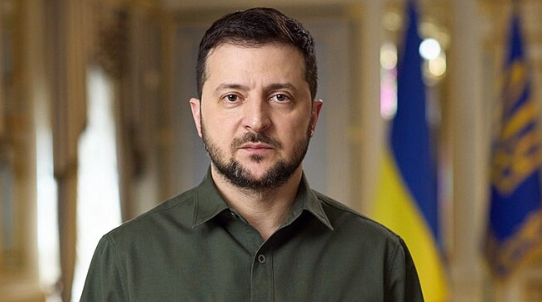
Ukrainian President Volodymyr Zelenskyy met with U.S. special envoy Steve Witkoff and European leaders in Oslo, Norway, on October 20, 2026, as Washington resumed sharing critical intelligence about incoming Russian missile attacks. The discussions addressed air defenses, military assistance and possible negotiations to end Russia's continuing invasion of Ukraine.
The meeting followed several days of tension between Kyiv and Washington over intelligence sharing, delayed weapons deliveries and restrictions affecting satellite communications. Zelenskyy confirmed that Ukraine was again receiving advance warnings of Russian ballistic missile launches, restoring a capability that helps protect civilians and military personnel.
The talks brought together Norwegian Prime Minister Jonas Gahr Støre, Finnish President Alexander Stubb and American representatives. Jared Kushner, President Donald Trump's son-in-law, joined the discussions remotely, while representatives from NATO, the European Union and several European governments participated in broader consultations.
U.S. Missile Warnings Resume After Disruption
The restoration of American intelligence sharing was among the most significant developments announced during Zelenskyy's visit.
Ukraine relies on information from its Western partners to detect Russian missile launches and provide early warnings to threatened communities. Ballistic missiles travel at extremely high speeds, leaving limited time for air defense systems and civilians to respond.
Zelenskyy had previously said that Ukraine experienced interruptions in receiving information about incoming Russian attacks. He expressed concern that the disruption had weakened the country's ability to warn residents and organize defensive responses.
On October 18, Zelenskyy told NBC's Meet the Press that the intelligence service had resumed after a temporary interruption. He repeated that message in Oslo following conversations with American officials.
Speaking at a news conference, Zelenskyy thanked Washington for restoring the warning system. He emphasized that even a short advance notice can help protect civilians, including families living in areas regularly targeted by Russian missiles.
The Ukrainian president also reported a positive telephone conversation with U.S. Secretary of State Marco Rubio earlier on Tuesday. The discussion covered intelligence cooperation, air defense supplies and satellite communications.
Rubio disputed suggestions that Washington had deliberately changed its policy toward Ukraine. Speaking to reporters during a visit to India, he said the United States had not issued a political directive intended to harm Ukrainian defenses.
The disagreement reflects a broader dispute over whether recent interruptions resulted from deliberate policy decisions, operational limitations or other problems. Ukrainian officials have described serious disruptions, while the Trump administration denies intentionally restricting support.
Patriot Missiles Remain a Major Concern
Zelenskyy used the discussions to emphasize Ukraine's urgent need for additional Patriot air defense interceptors.
Patriot systems are especially important because they can engage certain ballistic missiles that other Ukrainian air defenses cannot reliably intercept. Russia continues launching missile and drone attacks against cities, power facilities and other infrastructure.
Ukraine has warned that its available stock of Patriot interceptors is running dangerously low. Zelenskyy said some missiles purchased for Ukraine by European countries had not yet been delivered because of Pentagon restrictions.
Rubio acknowledged that the weapons are in short supply internationally. He said American officials must consider their own military requirements and the needs of other countries when deciding how limited supplies are distributed.
The statements illustrated an important difference between Washington and Kyiv. Ukraine considers additional interceptors an immediate requirement for protecting its population, while the United States says it must balance competing defense commitments.
No new Patriot delivery schedule was announced following the Oslo meeting.
Satellite Communications Also Discussed
Another major topic was Ukraine's access to Starshield, the military-oriented satellite communications service developed by SpaceX.
Ukrainian forces have relied heavily on satellite connections for communication and battlefield coordination. The technology also supports some unmanned systems operating in areas where conventional communications networks are unreliable.
Zelenskyy said recent restrictions affecting satellite services had interfered with Ukrainian military operations, particularly systems mounted on fast-moving vehicles and drones.
The reported problems have intensified concerns about Ukraine's dependence on American technology. They have also raised questions about the ability of Ukrainian forces to maintain communications during periods of diplomatic disagreement.
The president said he discussed the matter with Rubio, but officials did not announce a complete resolution to the satellite restrictions.
Unlike the restored missile-warning intelligence, the satellite communications concerns remained unresolved after Tuesday's talks.
Oslo Meeting Addresses Possible Peace Agreement
The discussions went beyond immediate military support and included proposals for ending the war.
A U.S. official told Reuters that participants made meaningful progress toward developing a coordinated approach to negotiations with Russia. The official described discussions about security guarantees for Ukraine, economic recovery and the future security arrangements of European countries.
The participants also considered a possible meeting involving the leaders of Ukraine, Russia and the United States.
Zelenskyy has repeatedly insisted that Ukraine must participate directly in decisions about its territory and future security. He reiterated that position in Oslo while expressing willingness to examine diplomatic proposals that could lead to a settlement.
The Ukrainian leader also discussed security guarantees resembling NATO's collective defense commitments. Such arrangements would be intended to discourage another Russian attack following any agreement.
However, no binding security guarantee or peace agreement was announced.
Støre described the talks as constructive and emphasized the importance of continued cooperation between American and European negotiators. Stubb also welcomed the discussions, expressing cautious optimism about renewed diplomatic efforts.
Witkoff Plans Talks With Russia
Following the Oslo meeting, Witkoff was scheduled to travel to Russia on October 21 for discussions with Russian President Vladimir Putin and other officials.
The American envoy was expected to present ideas developed during consultations with Ukraine and European leaders. Those proposals included security arrangements, possible ceasefire measures and a framework for broader negotiations.
A U.S. official said the goal was to create a path toward direct discussions among Ukraine, Russia and the United States.
The planned visit offered an immediate test of whether the latest diplomatic proposals could produce movement toward a negotiated settlement.
Russian Foreign Minister Sergey Lavrov indicated that Moscow was willing to examine new American proposals but cautioned against expecting a major breakthrough.
President Trump continued pressing Ukraine to reach an agreement. He argued that ending the war required Kyiv to accept negotiations, while Ukrainian officials maintained that any settlement must protect the country's sovereignty and security.
The two sides remain divided over territorial control, sanctions and the guarantees Ukraine would receive after a ceasefire.
Russian Attacks Continue During Diplomatic Talks
The Oslo meeting took place as Russian forces launched another series of missile and drone attacks against Ukraine.
Ukrainian authorities reported at least nine deaths from attacks on October 20. The strikes damaged civilian buildings and transportation routes, while power outages affected multiple regions.
In the Kyiv region, a Russian strike hit vehicles on the Kyiv-Odesa highway, killing three people and injuring four others, according to emergency officials. Other attacks damaged buildings and infrastructure around the country.
Ukraine's national grid operator reported electricity disruptions affecting 12 regions.
The continued attacks added urgency to Zelenskyy's requests for missile-warning intelligence and additional air defense equipment. They also demonstrated the difficulties facing diplomats attempting to develop a ceasefire.
Russia has said its military operations target Ukrainian infrastructure supporting the war effort. Ukrainian authorities have repeatedly reported civilian casualties and damage to residential areas during those strikes.
Zelenskyy said Ukraine remained open to arrangements limiting attacks on energy infrastructure if Russia agreed to comparable restrictions. No new agreement on those proposals emerged from the Oslo discussions.
European Support Remains Important
European governments have increasingly taken responsibility for financing and supplying Ukrainian defenses as questions continue over American assistance.
According to figures cited by The Associated Press from Germany's Kiel Institute, European countries and European Union institutions had allocated approximately €237 billion in assistance to Ukraine, compared with €115 billion from the United States.
Those figures cover broader commitments and should not be interpreted as direct comparisons of current military deliveries.
Despite the growth in European support, certain American-made weapons and intelligence capabilities remain difficult to replace.
The Oslo meeting therefore served two purposes: addressing immediate interruptions in critical assistance and seeking agreement on a diplomatic approach to the war.
For Ukraine, the restoration of advance missile warnings provided an immediate improvement in its defenses. However, uncertainty remains over Patriot interceptor deliveries, satellite communications and the terms of a potential settlement.
Witkoff's scheduled October 21 visit to Russia is the next step in the diplomatic effort. Its outcome could help determine whether the discussions in Norway lead to direct negotiations or whether the disagreements between the parties continue.