

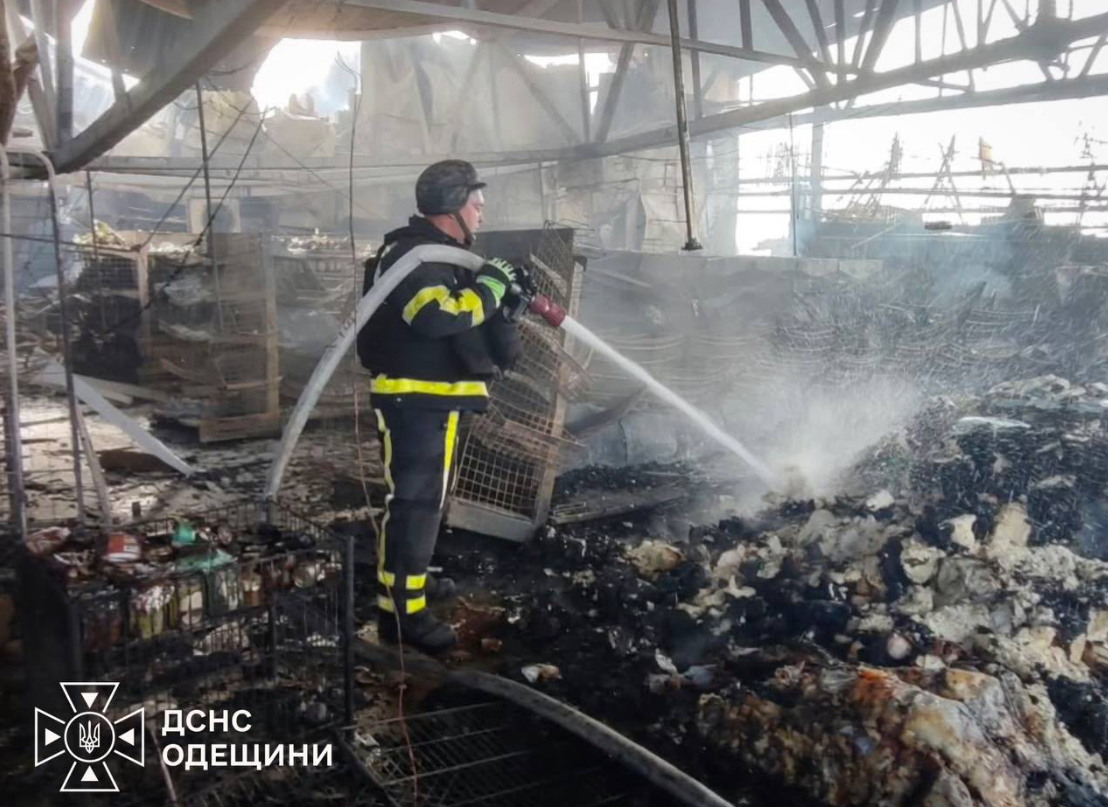
Russia launched a large-scale missile and drone attack on Ukraine overnight into Thursday, October 22, 2026, just hours after President Vladimir Putin agreed in principle to resume peace negotiations with Ukraine and the United States. The strikes hit Kyiv and other locations, killing civilians and damaging infrastructure while Washington pursued another diplomatic effort to end the war.
Ukrainian authorities reported at least one person killed and 22 injured in Kyiv, including four children. The attacks followed a three-hour meeting between Putin and U.S. special envoy Steve Witkoff in St. Petersburg on Wednesday, during which Moscow indicated it was willing to return to negotiations in November.
The timing prompted criticism from Ukrainian President Volodymyr Zelensky, who accused Russia of continuing its military campaign despite renewed diplomatic discussions. Zelensky also mocked Witkoff's description of Putin as a humanitarian, using the overnight bombardment to challenge that characterization.
The controversy began during Witkoff's meeting with Putin at Constantine Palace in St. Petersburg. The American envoy praised Putin after Russia released Stephen Hubbard, an American citizen imprisoned in Russia for more than four years.
Witkoff called Putin a "humanitarian" in connection with the prisoner's release. Zelensky responded sarcastically to the description after Russian ballistic missiles struck Ukrainian targets.
The exchanges reflected the tension between the White House's efforts to negotiate with Moscow and Ukraine's experience of continued Russian attacks. Kyiv has repeatedly argued that diplomatic progress must be accompanied by meaningful steps to reduce the fighting.
Missile and Drone Attacks Strike Kyiv
Russia's overnight assault involved 21 missiles and 210 drones, according to figures reported by CNN. Ukrainian air defenses attempted to intercept the incoming weapons as explosions were reported across the capital.
The attacks damaged residential areas and infrastructure, leaving emergency workers searching damaged buildings and responding to fires. Kyiv Mayor Vitali Klitschko reported damage near the Pivdennyi Bridge, which crosses the Dnipro River, including infrastructure associated with the city's metro system.
Ukraine's State Emergency Service reported that at least 22 people were injured in the capital. The casualty figures included four children and remained subject to revision as rescue and recovery operations continued.
The scale of the attack raised further concerns about Ukraine's ability to protect major population centers from Russian ballistic missiles. Ukraine has repeatedly requested additional Western air defense systems and interceptor missiles as Russian forces continue targeting cities.
The Ukrainian capital has experienced numerous missile and drone attacks since Russia launched its full-scale invasion in February 2022. Residential buildings, transportation networks and energy infrastructure have repeatedly sustained damage during the conflict.
Russian strikes have also placed pressure on Ukraine's emergency services, hospitals and electricity supplies. Even when air defenses intercept incoming weapons, falling debris can cause fires and damage buildings.
Putin Agrees to Resume Peace Negotiations
Putin's agreement to resume discussions followed a meeting with Witkoff on October 21. The American envoy traveled to Russia after holding talks with Zelensky and European leaders in Oslo, Norway, where participants discussed proposals intended to advance negotiations.
According to the Associated Press, Putin agreed in principle to restart trilateral talks involving Russia, Ukraine and the United States. Kremlin foreign policy adviser Yuri Ushakov said the discussions could resume around November 10, potentially in Abu Dhabi.
The agreement did not establish a ceasefire or produce a finalized peace plan. Russian officials emphasized that substantial disagreements remained over the terms of a possible settlement.
Moscow has continued demanding arrangements that address what it describes as Russia's long-term security requirements. Putin has also insisted on territorial concessions involving eastern Ukraine, particularly the Donbas region.
Ukraine has rejected Russian demands that would require surrendering territory it continues to claim under international law. Zelensky has argued that any agreement must provide credible security guarantees and protect Ukraine against another invasion.
Witkoff presented Putin with updated proposals developed during earlier discussions with Ukrainian and European representatives. The American envoy expressed hope that renewed negotiations could produce a framework for ending the conflict.
The Kremlin's reaction was cautious. Ushakov said Russian officials were prepared to examine the proposals but suggested that the Ukrainian and European positions contained little new substance.
U.S. Envoy's Humanitarian Remark Draws Criticism
One of the most controversial moments surrounding the diplomatic visit involved Witkoff's praise for Putin after the release of American prisoner Stephen Hubbard.
Hubbard had been detained in Russia for more than four years. His release was presented as a goodwill gesture during the discussions between Washington and Moscow.
The decision to free Hubbard was welcomed by U.S. officials, but Witkoff's description of Putin as a humanitarian drew criticism. The remarks came during a war in which Russian attacks have killed civilians and damaged residential neighborhoods and essential infrastructure.
Zelensky responded by referring sarcastically to Russia's supposed humanitarian leadership after another night of missile strikes. His comments highlighted the contrast between the diplomatic praise offered to Putin and the continuing attacks on Ukrainian cities.
Ukrainian Foreign Minister Andrii Sybiha also criticized approaches that rely on concessions and praise to persuade Moscow to end the fighting. In a public statement Thursday, he said appeasement and flattery would not stop the war and argued that greater pressure on Russia was necessary.
The criticism reflected Ukraine's concern that diplomatic gestures could ease international pressure on Moscow without securing corresponding reductions in military operations.
Ukraine and Russia Exchange Attacks
The overnight violence was not limited to Ukraine. Russian authorities also reported a substantial Ukrainian drone attack involving hundreds of unmanned aircraft.
Moscow Mayor Sergei Sobyanin said two people were injured in the Moscow region after Ukrainian forces launched a barrage of drones. Russian officials claimed that most of the incoming aircraft were intercepted.
Authorities in the Tula and Lipetsk regions also reported drone activity and injuries. The competing accounts from Russian and Ukrainian officials could not all be independently verified.
Ukraine has increasingly used long-range drones against targets inside Russia, including infrastructure associated with military operations and fuel supplies. Kyiv argues that these operations are part of its defense against Russia's invasion.
Russia continues to justify its military actions by citing security concerns and territorial objectives. Ukraine and its Western supporters maintain that Moscow's invasion violates Ukrainian sovereignty and internationally recognized borders.
The latest attacks demonstrated that both militaries remained active despite renewed efforts to bring their governments back to the negotiating table.
Major Obstacles Remain Before Peace Talks
President Donald Trump has expressed optimism that negotiations could bring the war closer to an end. Following Witkoff's meeting with Putin, Trump suggested that the diplomatic process was approaching an important breakthrough.
However, no agreement has been reached on a ceasefire, territorial boundaries or the security arrangements that would follow a peace settlement. The positions of Moscow and Kyiv remain far apart on several central issues.
Putin has sought a broader arrangement addressing security in Russia, Ukraine and Europe. Zelensky has insisted that Ukraine must participate directly in decisions about its territory and future security.
Previous U.S.-mediated negotiations stalled without producing a lasting halt to the fighting. The renewed diplomatic effort is intended to bring the parties back into direct discussions after months of limited progress.
Russia has indicated that negotiations might resume in mid-November, although a final schedule and meeting arrangements have not been formally announced.
For Ukraine, the latest missile strikes reinforced the immediate military challenges facing the country while diplomatic discussions continue. Emergency crews remained engaged in recovery work as Ukrainian officials assessed the damage and casualties.
The next major diplomatic step is the proposed November meeting involving Russian, Ukrainian and American representatives. Whether those discussions produce a ceasefire will depend on agreements that neither side has yet accepted.