

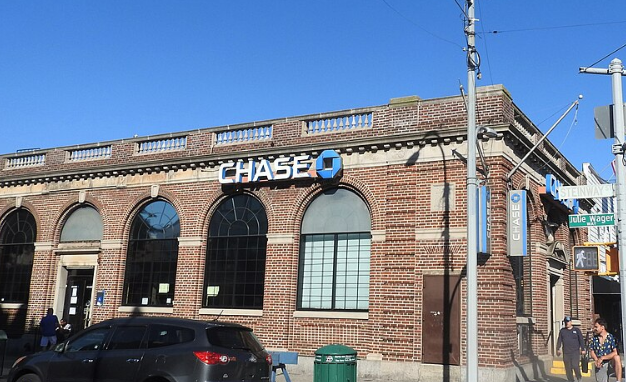
A technical failure at JPMorgan Chase disrupted banking services across the United States on Monday, November 16, 2026, leaving customers unable to complete some transactions online and at physical branches. Customers of Bank of America, Wells Fargo and several other financial institutions also reported problems, raising concerns about the reliability of interconnected banking systems. Chase blamed the disruption on an internal software bug and said transactions were processing normally again by Monday evening.
The outage affected banking apps, payment processing and some in-person services, although the extent varied between institutions. Chase confirmed that customers were experiencing delays but said their accounts and funds remained accessible. The bank also emphasized that it had found no evidence of a cyberattack.
Chase Identifies Software Bug Behind Banking Disruption
JPMorgan Chase said the problem originated in software running on hardware systems maintained within the bank's own infrastructure. These on-premise systems support banking operations and help process financial transactions. The company did not publicly identify the specific software component responsible for the failure.
The disruption began Monday morning, with complaints increasing throughout the day. Customers reported error messages while using Chase's website and mobile banking app. Some were unable to complete transactions, while others encountered delays receiving confirmation that payments had been processed.
Chase said the incident was limited in scope and did not represent a failure across its entire organization. However, the bank acknowledged that other financial institutions could experience delays when processing transactions involving Chase accounts. That explanation helped clarify why customers at several banks reported difficulties around the same time.
By approximately 6:30 p.m. Eastern Time, Chase confirmed that transaction processing had returned to normal. The announcement followed hours of complaints and efforts to restore affected services. The bank did not immediately release a detailed technical explanation of how the software bug occurred.
Customers Report Problems at Branches and ATMs
The disruption extended beyond online banking, affecting some customers who visited Chase branches to conduct routine transactions. NBC News reported that customers encountered difficulties depositing checks and accessing certain banking services. At least one ATM in Texas displayed an error message during the outage.
A customer attempting to deposit a check at a Dallas-area branch described being unable to complete the transaction because the bank's systems were not functioning properly. Such problems demonstrated that the issue affected more than mobile applications. Branch employees also depend on computer networks to verify accounts and process deposits or withdrawals.
JPMorgan Chase operates approximately 5,000 branches and 15,000 ATMs nationwide, giving the institution an extensive physical banking network. However, there was no evidence that every branch or ATM stopped working. The number of affected locations and customers remained unclear.
By late Monday afternoon, some Chase branches in Manhattan appeared to be operating normally. Customers at one location reported that employees had informed them about earlier difficulties. The gradual improvement suggested that services were recovering before the bank issued its evening confirmation.
Bank of America and Wells Fargo Customers Also Affected
Outage reports extended to Bank of America, Wells Fargo, U.S. Bank and several other financial institutions. Downdetector, a website that collects user reports of service problems, recorded thousands of complaints across banking platforms. Customers described difficulties accessing accounts, completing transfers and using digital services.
More than 4,700 Chase customers had submitted outage reports by approximately 2 p.m. Eastern Time. Bank of America had received around 2,000 reports, while Wells Fargo and U.S. Bank each had approximately 1,000. These figures represented customer submissions rather than confirmed totals of people affected.
The reports did not establish that each institution experienced a separate internal system failure. Reuters reported that Bank of America and Wells Fargo declined to comment when asked about the disruptions. Other banks indicated that their own systems were operating normally despite transaction delays involving outside institutions.
Wells Fargo displayed a message on its website acknowledging technical difficulties and saying it was working to resolve them. U.S. Bank separately said its systems were not directly affected. The differing responses made it important to distinguish between a bank's own outage and problems involving payments exchanged with another institution.
Zelle Transfers Delayed Despite Network Remaining Operational
Customers also reported difficulty sending and receiving money through Zelle, the payment network used by numerous American banks. Some transfers appeared delayed while the underlying banking problems continued. The difficulties affected customers who depended on the service for routine payments.
Zelle said its payment network remained operational throughout the disruption. The company explained that technical problems at participating financial institutions could prevent individual transfers from being completed promptly. A functioning payment network cannot guarantee normal service when one of the banks involved is experiencing processing delays.
U.S. Bank confirmed that customers attempting to send or receive Zelle payments involving another institution might encounter delays. PNC Bank similarly said it had not experienced a direct systems outage but was aware of transaction problems elsewhere. Capital One and Truist also reported that their services were operating normally.
Zelle is operated by Early Warning Services, a company owned by several major American financial institutions. Its extensive integration with banking apps makes it convenient for transferring money directly between accounts. Monday's disruption illustrated how a technical problem at one participating bank can affect customers using shared financial services.
Chase Says the Outage Was Not a Cyberattack
The widespread banking difficulties prompted questions about whether hackers or another security incident might be responsible. Chase directly rejected that explanation, identifying an internal software problem instead. No evidence emerged linking the disruption to malicious activity.
The bank also said the incident was not a systemic failure of the broader financial system. Its explanation suggested that transaction delays at other institutions were connected to payments involving Chase rather than failures affecting every bank. Independent investigations or detailed technical findings were not publicly available by Monday evening.
Regulators contacted major banks shortly after receiving reports of the problems, according to NBC News. Officials familiar with the response said the disruption appeared contained and restoration efforts were already underway. The identities of the regulators involved and the full scope of their review were not publicly detailed.
For affected customers, the distinction between a software malfunction and a security breach was significant. An outage can prevent access to services without necessarily exposing account information or compromising funds. Chase maintained that customers retained access to their money despite the delays.
Banking Problems Follow Other Major Technology Outages
The banking disruption occurred after separate technology failures affected Microsoft services and air travel across the United States. A Microsoft outage interrupted access to Outlook, Teams and other products during the previous week. Another technical failure prompted the Federal Aviation Administration to temporarily halt departing flights nationwide.
The incidents involved different systems and had different reported causes. Microsoft attributed its disruption to problems associated with an infrastructure upgrade, while federal officials identified a malfunctioning router behind the air traffic control failure. No evidence established a connection between either incident and the banking outage.
Their timing nevertheless drew attention to the dependence of essential services on complex digital infrastructure. Banks, airlines and technology companies rely on interconnected systems that must process enormous volumes of information. Problems within one part of those networks can create delays for customers and organizations elsewhere.
The Chase incident particularly demonstrated how banks can experience indirect effects from problems at other financial institutions. A customer may be able to open an account successfully but still encounter delays when attempting to send money to another bank. Those dependencies can complicate both troubleshooting and communication during an outage.
What Customers Should Know After Services Return
With Chase confirming normal transaction processing Monday evening, customers can review their accounts for payments that were delayed during the disruption. Pending transactions may require additional time to appear in account histories, depending on how individual payments were processed. The bank had not announced a complete accounting of the outage's effects.
Customers who attempted transfers or deposits during the disruption should verify whether those transactions were completed before submitting them again. Repeated payments can create additional problems if an earlier transaction eventually processes. Anyone noticing an unexpected charge or missing deposit should contact their financial institution through its official channels.
The restoration of Chase's transaction systems brought an end to the confirmed processing problem, although individual customers could still need assistance resolving delayed payments. Bank of America and Wells Fargo had not provided detailed public explanations establishing separate system failures. The outstanding question is how many transactions were affected before Chase restored normal service Monday evening.