

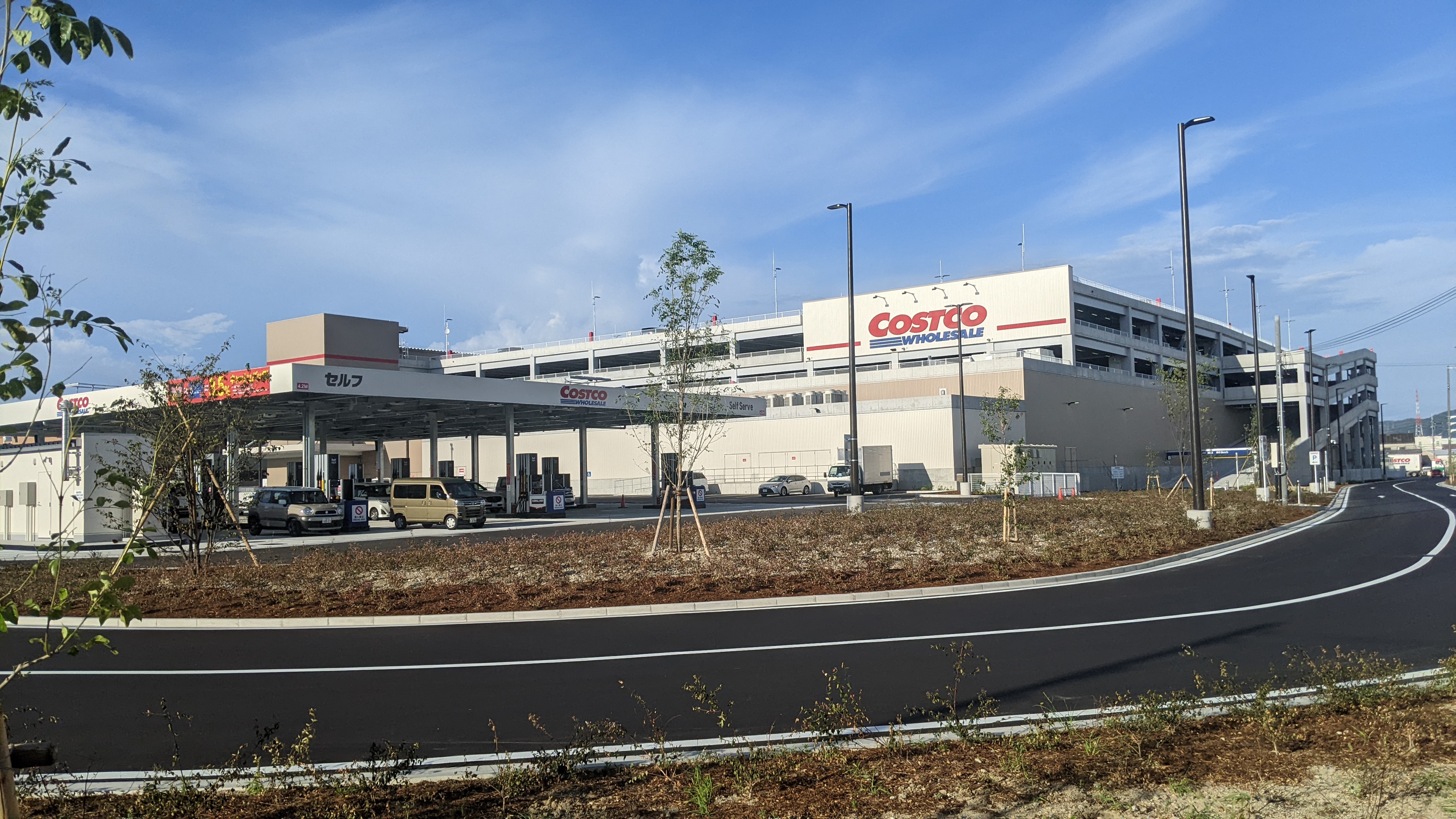
Costco Wholesale has announced the largest special dividend in its history, committing approximately $13.3 billion to shareholders while renewed questions emerge about the value offered to its paying members. The warehouse retailer declared a one-time payment of $30 per share on November 10, 2026, more than double its previous record special dividend.
The payment is scheduled for December 4, 2026, for shareholders of record at the close of business on November 24. The announcement comes after a strong financial year for Costco, but it has also prompted discussion about whether the company should direct more of its financial resources toward lowering merchandise prices.
The payout represents about 62% of Costco's reported cash, cash equivalents and short-term investments at the end of August. Although the company has previously issued large special dividends, the size of this distribution stands out even by its own standards.
Costco Commits $13.3 Billion to Shareholders
Costco's board approved the $30-per-share special dividend as part of a broader decision to return capital to investors. The company also renewed a share repurchase program authorizing up to $4 billion in stock buybacks through November 2030.
The new authorization replaces an earlier $4 billion program approved in 2023. Costco had already purchased approximately $3.1 billion in shares under that arrangement, according to its November 10 announcement.
The special dividend will be paid separately from Costco's regular quarterly dividend. It does not change the company's established dividend schedule, which currently provides shareholders with $1.47 per share each quarter.
Costco last issued a special dividend in December 2023, when it declared a $15-per-share payment that was distributed in January 2024. Before that, the company approved a $10-per-share special dividend in November 2020.
The latest payment is twice the size of the previous record on a per-share basis. It reflects the substantial cash reserves Costco has accumulated while expanding its warehouse operations and maintaining a profitable membership business.
Costco's Strong Financial Results Support the Payment
Costco reported $20.2 billion in cash and cash equivalents at the end of its fiscal year on August 30, 2026. The company also held approximately $1.09 billion in short-term investments, bringing those combined financial resources to about $21.3 billion.
The planned $13.3 billion payment represents approximately 62% of that combined amount. However, the figure is based on the company's August financial position and does not account for subsequent business activity or changes in its cash holdings.
Costco's annual financial results help explain how the company accumulated such substantial reserves. Net sales increased 10.1% during fiscal 2026, reaching $297.2 billion compared with $269.9 billion the previous year.
Net income also increased, rising from $8.1 billion in fiscal 2025 to approximately $9.23 billion in fiscal 2026. Fourth-quarter net sales reached $93.9 billion, an increase of 11.2% over the same period a year earlier.
Chief Executive Officer Ron Vachris emphasized Costco's continued sales growth and customer loyalty during the company's fourth-quarter earnings discussion. He credited its merchandise selection and buying strategy with helping the company expand its market share while maintaining competitive prices.
These results demonstrate why Costco has the financial resources to make a substantial payment to shareholders. They also provide context for questions about whether some of that money could instead be used to reduce prices, improve services or expand benefits for members.
Members Pay for the Promise of Lower Prices
Costco operates differently from most conventional retailers because customers generally must purchase an annual membership before shopping in its warehouses. That membership model helps support its strategy of selling large quantities of merchandise at relatively low margins.
A standard Gold Star membership costs $65 annually, while an Executive membership costs $130. Executive members qualify for an annual 2% reward on eligible purchases, with a maximum reward of $1,250.
Membership fees provide an important source of recurring revenue for the company. They help offset operating costs and allow Costco to compete aggressively on merchandise prices, although the retailer still generates substantial revenue and profit from its merchandise operations.
The approach has helped Costco develop a loyal customer base that frequently returns for groceries, household products, electronics and other merchandise. Members expect their annual fees to provide savings that justify shopping at a warehouse club.
That expectation is central to the questions surrounding the new dividend. While a special dividend benefits shareholders directly, shoppers who do not own Costco stock receive no immediate payment from the distribution.
Industry Observer Questions the Balance Between Investors and Members
Dominick Miserandino, chief executive officer of RTM Nexus, questioned whether Costco's unusually large dividend could create a perception problem among members. In comments to TheStreet, he argued that customers primarily judge Costco by the savings they receive rather than the financial returns delivered to investors.
Miserandino did not object to Costco rewarding shareholders, particularly after a successful financial year. His concern was that members could become dissatisfied if they believed the company was placing investor returns ahead of its long-standing commitment to customer value.
The criticism does not establish that Costco has reduced its commitment to lower prices. Nor does it demonstrate that members broadly oppose the dividend, since no representative survey of customer reactions was presented alongside the announcement.
Nevertheless, the issue presents a familiar challenge for successful retailers. Companies must decide how much money to reinvest in operations, return to investors and use to maintain competitive prices.
For Costco, those decisions carry particular importance because membership renewals depend heavily on customers believing they receive sufficient value from the company.
Price Comparisons Show Costco Does Not Always Lead
Recent grocery price research suggests that Costco's reputation for low prices does not guarantee that every product costs less than at competing retailers. Consumer advocacy organization Consumers' Checkbook examined supermarket prices in several regions during 2025 and found meaningful differences between warehouse clubs and traditional stores.
In the Chicago area, its research found that Aldi offered particularly competitive grocery prices. Aldi's prices were approximately 33% below the average among the stores surveyed, and its per-unit prices were lower than those at Costco and Sam's Club.
A separate Consumers' Checkbook study in the San Francisco Bay Area found that Costco's prices were only about 3% lower than WinCo's and 11% lower than Walmart's for the comparable products examined. Those results suggest that shoppers in some markets may find similar savings without paying an annual warehouse membership fee.
Comparing grocery prices across retailers is not always straightforward. Costco frequently sells products in larger packages, while supermarkets may carry smaller sizes, different brands and promotional offers.
Consumers' Checkbook acknowledged that these differences complicate comparisons. Its researchers examined unit prices when necessary, but some products were not available in directly comparable sizes.
The findings do not mean Costco is consistently more expensive than competing retailers. They show that a store's overall pricing reputation may not accurately reflect the best available price for every item or every household.
Costco Faces Competition Beyond Warehouse Clubs
Costco competes with warehouse retailers such as Sam's Club and BJ's Wholesale Club, but its customers also have alternatives including Walmart, Aldi, WinCo and regional supermarket chains. These businesses use different pricing and merchandising strategies, making the best choice dependent on what shoppers purchase.
Large families buying significant quantities of groceries and household products may benefit from Costco's bulk packaging. Smaller households, however, may find better value purchasing individual items from retailers without membership fees.
Costco also offers products and services that are not reflected in basic grocery comparisons. Gasoline, pharmacy services, optical products, travel packages and other member benefits can affect how customers calculate the overall value of belonging to the warehouse club.
Member loyalty remains strong. Costco reported a 92.3% membership renewal rate in the United States and Canada at the end of fiscal 2026, indicating that most established members continued to see enough value to maintain their memberships.
That renewal rate is an important measure of Costco's business strength. It also suggests that isolated price comparisons have not yet translated into widespread membership departures.
Will the Dividend Affect Costco's Prices?
The special dividend does not automatically mean Costco will raise prices or reduce member benefits. The company has not announced either action in connection with the payment, and its strong financial performance provides substantial resources for continuing operations.
Costco's decision nevertheless raises a broader question about how profitable retailers distribute the cash they generate. Shareholders have an interest in receiving returns on their investments, while customers expect competitive pricing and continued improvements in the shopping experience.
A shareholder who owns 100 Costco shares would receive $3,000 from the special dividend before any applicable taxes. A Costco member who does not own company stock would receive no direct cash payment, although members could benefit indirectly from future investments in prices and services.
Costco has not announced plans to issue another special dividend after December 2026. Its immediate commitments are the $13.3 billion distribution and the renewed authorization to repurchase up to $4 billion in shares.
The next important test for Costco will be whether it can maintain sales growth and membership loyalty while carrying out those financial commitments. Its next quarterly earnings report will provide a clearer picture of how the business is performing as the company prepares to distribute its largest special dividend.