

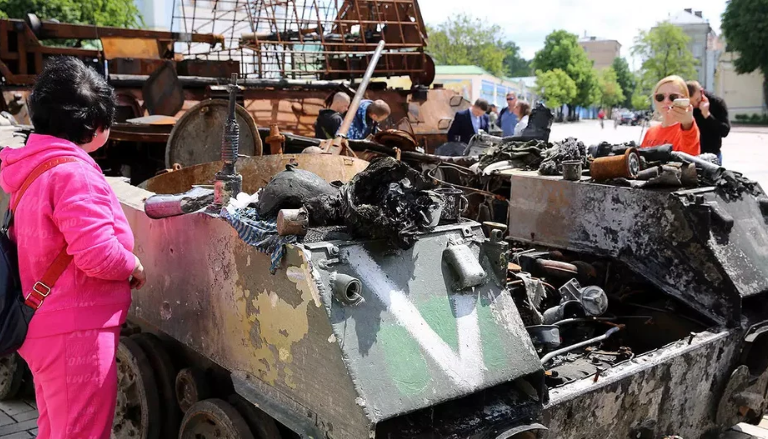
Russian military deaths in Ukraine may have exceeded 700,000 by the end of September 2026, according to a new investigation into leaked government records. The findings, released on November 23, provide one of the most detailed assessments of Russian military losses since the full-scale invasion began in February 2022. Researchers identified approximately 490,000 officially registered military deaths, with the estimated total rising considerably when missing personnel and delays in death registrations were taken into account.
The investigation was conducted jointly by independent Russian news organizations Meduza and Mediazona, using information obtained from Russia's Federal State Statistics Service, commonly known as Rosstat. Belarusian and Ukrainian hacking groups obtained the records during a breach of the agency's computer systems earlier this month. Journalists subsequently examined the documents and compared them with several independent sources to establish their authenticity.
Leaked Records Reveal the Scale of Russian Military Losses
The hacking groups Cyber Partisans and Silent Crow announced the breach of Rosstat on November 1. Among the information obtained were millions of death registration records, including mortality statistics that Russian authorities stopped publishing in 2025. The documents provided researchers with access to information that had previously been unavailable to the public, allowing them to reassess earlier estimates of military deaths.
Meduza and Mediazona compared the leaked records with inheritance records, publicly available court documents, previously published government statistics and independently verified military obituaries. The investigation found that the leaked documents contained records corresponding to approximately 95 percent of the deceased Russian military personnel previously identified by name. That level of agreement gave researchers considerable confidence in the authenticity of the information.
Separate investigations by other independent Russian media organizations produced broadly similar findings. However, differences in how researchers classified deaths and accounted for incomplete records resulted in slightly different estimates. Establishing an exact death toll remains difficult because some military deaths have not been officially registered, particularly when personnel are reported missing.
Actual Death Toll Could Be Considerably Higher
The approximately 490,000 registered deaths represent only part of the estimated Russian military death toll. Some soldiers who disappeared during combat may not have been officially declared dead, while administrative and legal procedures can delay the registration of fatalities. These delays become particularly significant during prolonged military conflicts, when recovering and identifying remains can be difficult.
Meduza and Mediazona estimate that the actual number of Russian military personnel killed could exceed 700,000 when these factors are considered. The figure does not include soldiers who survived their injuries, meaning the overall number of military casualties would be higher. The investigation also does not establish how many wounded personnel have recovered or returned to military service.
The new estimate exceeds a figure released in May by Anne Keast-Butler, director of Britain's Government Communications Headquarters. She said British intelligence assessed that nearly half a million Russian military personnel had been killed since the invasion began. Comparisons between the estimates must account for differences in reporting dates, available evidence and research methods.
Russia's Invasion Becomes a Prolonged War of Attrition
Russia launched its full-scale invasion of Ukraine on February 24, 2022, sending forces into the country from several directions. Russian troops initially advanced toward Kyiv, but strong Ukrainian resistance and logistical difficulties disrupted Moscow's military campaign. Russia subsequently withdrew its forces from northern Ukraine and concentrated much of its military activity in the eastern and southern regions.
Nearly five years later, the conflict has developed into a prolonged war of attrition, with both countries facing considerable military and economic pressures. Artillery, drones and electronic warfare have become increasingly important components of modern combat. Both sides have continued developing new technologies while attempting to maintain adequate supplies of ammunition, equipment and military personnel.
Ukraine has also expanded its ability to conduct long-range operations against Russian military and energy infrastructure. Meanwhile, Russia continues launching missile and drone attacks against Ukrainian cities and critical infrastructure. On November 23, Ukrainian President Volodymyr Zelensky warned that intelligence indicated Russia was preparing additional strikes and urged international partners to provide further air defense assistance.
Limited Transparency Complicates Casualty Estimates
The Russian government has not maintained a comprehensive public accounting of military deaths throughout the conflict. Restrictions on military information have made it difficult for independent researchers, journalists and Russian families to establish the full human cost of the war. The leaked government records provide an additional source of evidence, although they cannot resolve every uncertainty surrounding military losses.
Ukraine has also released limited information about its own military casualties. Independent estimates vary considerably, and direct comparisons between Russian and Ukrainian figures can be misleading when different research methods and reporting periods are used. The lack of complete official information remains a major obstacle to establishing reliable casualty totals for either country.
Long-Term Consequences for Russian Society
The investigation also raises questions about the lasting demographic and economic consequences of Russia's military losses. Large numbers of deaths among working-age adults can affect labor markets, household incomes and population growth. Families who have lost relatives or continue searching for missing personnel may also face prolonged financial and emotional difficulties.
The consequences extend beyond the battlefield, particularly for communities that have supplied substantial numbers of military recruits. Surviving veterans with serious injuries may require long-term medical treatment, rehabilitation and financial assistance. These obligations could continue for decades, regardless of when active hostilities eventually end.
The latest investigation provides a more extensive assessment of Russian military deaths than was previously possible using publicly available information. However, the estimated total remains subject to revision as researchers obtain additional records and resolve discrepancies involving missing personnel. With fighting continuing and no comprehensive official casualty report from Moscow, the ultimate human cost of the conflict remains uncertain.