

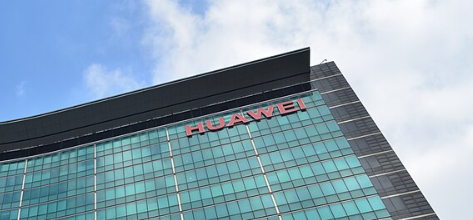
Chinese telecommunications giant Huawei Technologies has been convicted of conspiring to steal trade secrets from American companies, defrauding banks, and violating United States sanctions. A federal jury in Brooklyn, New York, delivered its verdict on Tuesday, November 24, 2026, following a 12-week trial.
Huawei was convicted on 10 of 12 criminal counts but acquitted of racketeering conspiracy and conspiracy to obstruct justice. The company faces potentially substantial financial penalties and has announced its intention to appeal.
The verdict represents a major development in a criminal case that began in 2018. It also comes amid continuing tensions between the United States and China over technology, international trade, and national security.
Federal Jury Delivers Mixed Verdict
The criminal proceedings involved Huawei Technologies and three subsidiaries: Huawei Device, Huawei Device USA, and Futurewei.
The U.S. Department of Justice confirmed convictions involving trade secret conspiracy, bank fraud, wire fraud, sanctions violations, and money laundering conspiracy. The case also resulted in convictions involving a conspiracy to defraud the United States.
The verdict did not establish that Huawei operated as a criminal enterprise under federal racketeering law. Jurors rejected that broader allegation, which prosecutors had used to connect numerous accusations involving the company's international operations.
Huawei's defense team welcomed the two acquittals while expressing disappointment with the remaining verdicts.
Prosecutors Present Evidence of Intellectual Property Theft
Federal prosecutors presented evidence involving the unauthorized acquisition of technology developed by American businesses.
The intellectual property included computer programming code, technical manuals for internet routers, antenna designs, and technology used to test electronic devices.
One prominent example involved a robotic testing system developed by T-Mobile. Known as Tappy, the robot was designed to measure the responsiveness of smartphone touchscreens.
Huawei gained access to the equipment through its business relationship with T-Mobile. Prosecutors established that Huawei employees improperly obtained technical information about the robot, including photographs and a physical component.
The government argued that these activities helped Huawei develop competing technology without independently undertaking the same research and development work.
Huawei maintained that disputes involving intellectual property had largely been addressed through previous civil litigation.
Business Operations in Iran Examined
Another major part of the trial concerned Huawei's commercial activities in Iran and its relationships with international financial institutions.
Prosecutors presented evidence that Huawei misrepresented its relationship with Skycom, a business involved in telecommunications operations in Iran.
American authorities maintained that Skycom was controlled by Huawei rather than operating as an independent business partner, as the company had represented.
These statements were significant because international banks handling transactions in U.S. dollars were required to comply with American sanctions.
The prosecution argued that inaccurate information prevented financial institutions from properly assessing the legal risks associated with providing banking services to Huawei.
According to Reuters, prosecutors called more than 60 witnesses during the trial, while the defense called 15. Earlier news investigations into Huawei's Iranian business activities were also discussed during the proceedings.
Huawei Disputes Government's Broader Allegations
Huawei attorney Brian Heberlig announced that the company expects to challenge its convictions through the appeals process.
The defense maintained that prosecutors had attempted to portray isolated incidents involving individual employees as evidence of widespread criminal behavior throughout the organization.
Heberlig described the racketeering acquittal as a vindication of the company's compliance culture. He also indicated that the defense would pursue arguments intended to reduce the eventual financial penalties.
Huawei has consistently defended its commercial success as the result of technological innovation, research investment, and the work of its employees.
The company's planned appeal does not overturn the guilty verdicts. Those convictions remain in effect unless they are subsequently reversed through the legal process.
Case Dates Back to 2018
The legal dispute attracted international attention in December 2018 when Canadian authorities detained Huawei chief financial officer Meng Wanzhou at the request of the United States.
Meng, the daughter of Huawei founder Ren Zhengfei, faced allegations involving statements made to a bank about the company's Iranian business activities.
Her detention triggered a lengthy diplomatic dispute involving Canada, China, and the United States.
Meng returned to China in September 2021 after reaching a deferred prosecution agreement with American authorities. The criminal charges against her were subsequently dismissed.
The corporate prosecution continued separately, eventually resulting in the trial and verdict announced this week.
International Restrictions on Huawei Technology
Huawei has faced restrictions in several Western markets because of government concerns about telecommunications security.
In 2019, the United States placed Huawei on its Entity List, limiting its access to certain American products and technologies without government authorization.
Britain and Canada have also introduced restrictions affecting Huawei's participation in fifth-generation mobile telecommunications networks.
These measures do not amount to a universal prohibition on every Huawei product in those countries. They primarily address specified technology, infrastructure, and security concerns.
Huawei has repeatedly rejected suggestions that its telecommunications equipment poses an inherent national security threat.
Despite the restrictions, the company maintains substantial international operations. Its business includes smartphones, networking equipment, cloud computing, and technologies supporting artificial intelligence.
The commercial consequences of the criminal verdict remain uncertain.
Sentencing Scheduled for September 2027
U.S. District Judge Ann Donnelly has scheduled sentencing for September 14, 2027.
Potential penalties include criminal fines, forfeiture of assets connected to criminal activity, and restitution intended to compensate victims.
The Associated Press reported that the financial consequences could reach billions of dollars. However, the court has not established a final penalty amount.
Huawei's acquittal on the racketeering conspiracy charge could influence the eventual sentence. Both prosecutors and defense attorneys will have opportunities to present their arguments before the court determines the penalties.
The criminal trial involved corporate defendants rather than individuals facing imprisonment. Huawei must now prepare for sentencing while its legal team develops challenges to the convictions.