

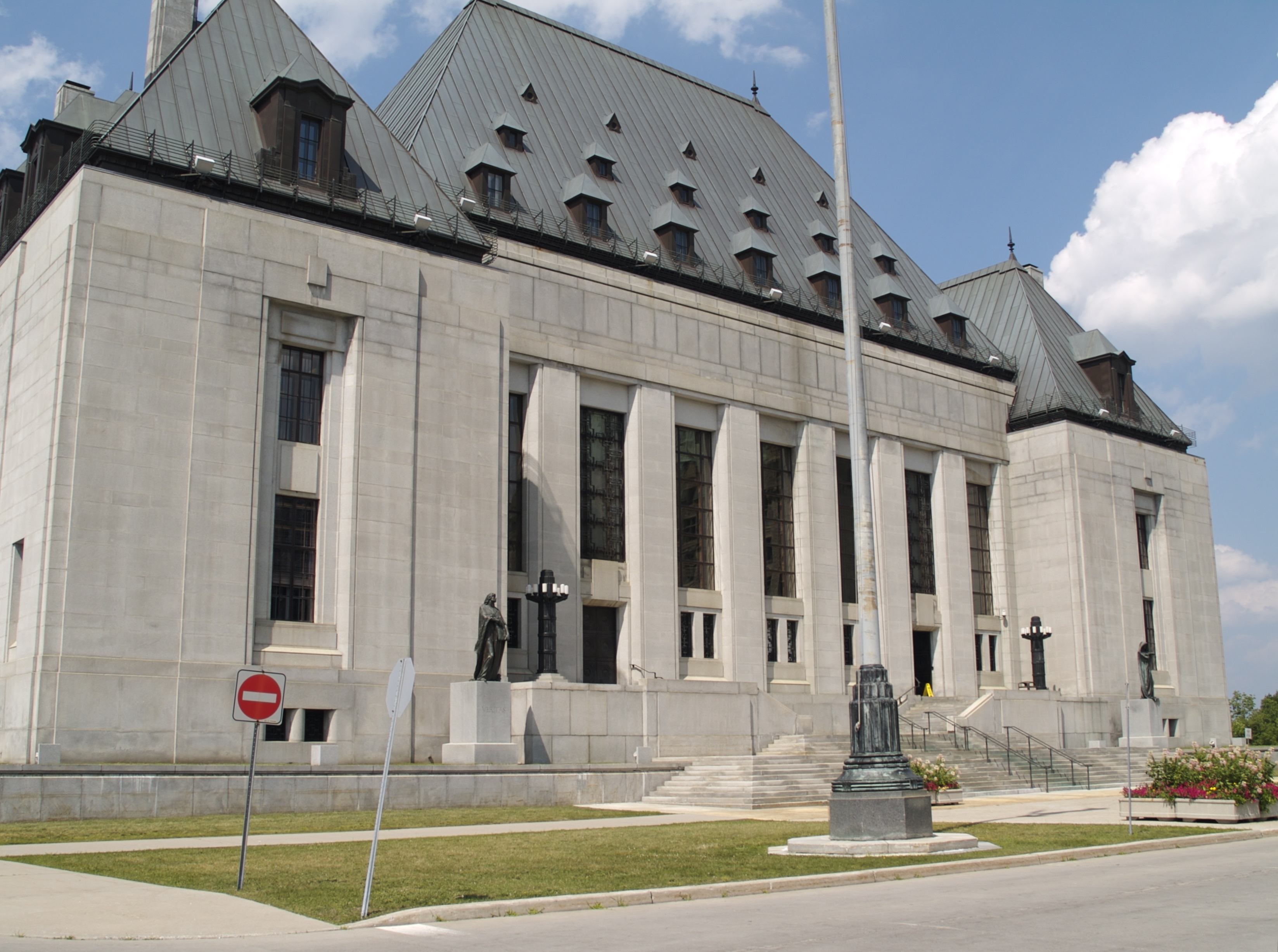
Canada’s Supreme Court upheld most of Quebec’s controversial religious secularism law on Friday, November 27, 2026. The 6-1 decision allows the province to continue prohibiting certain public employees from wearing religious symbols while performing their official duties.
The legislation, known as Bill 21, has generated years of legal challenges and national debate over religious freedom, government neutrality and constitutional rights. The ruling represents a victory for Quebec’s government but has drawn strong criticism from religious organizations and civil liberties advocates.
Quebec’s Religious Symbol Ban
Quebec adopted Bill 21 in 2019 under the government of the Coalition Avenir Québec. Officially called the Act Respecting the Laicity of the State, the legislation establishes religious secularism as a governing principle of the province.
The restrictions apply to public schoolteachers, police officers, judges, government lawyers and certain other employees holding positions of authority.
Religious symbols covered by the legislation include Muslim headscarves, Sikh turbans, Jewish skullcaps and Christian crosses.
Supporters argue that public officials should maintain a religiously neutral appearance when providing government services. Opponents contend that individuals can perform their professional duties impartially without concealing their religious identities.
The legislation does not prohibit religious symbols in public spaces or impose restrictions on every government employee.
Understanding the Notwithstanding Clause
A central issue in the legal dispute involved Section 33 of the Canadian Charter of Rights and Freedoms, commonly known as the notwithstanding clause.
This constitutional provision allows federal and provincial lawmakers to temporarily override certain Charter protections, including freedom of religion, freedom of expression and equality rights.
The provision expires after five years unless lawmakers renew it. Quebec renewed its invocation of the notwithstanding clause for Bill 21 in 2024.
The Supreme Court determined that Quebec had validly exercised its constitutional authority to protect most of the legislation from being struck down.
However, the court also confirmed that judges retain the authority to examine whether legislation conflicts with constitutional rights. Courts may issue declarations identifying such conflicts even when the notwithstanding clause prevents them from invalidating the legislation.
The court did not issue such a declaration against Bill 21 in this particular case.
Court Invalidates Restriction on Quebec Legislators
Although the Supreme Court upheld most of the legislation, it struck down a provision requiring members of Quebec’s National Assembly to uncover their faces while performing legislative duties.
The justices determined that the requirement infringed democratic rights protected under Section 3 of the Canadian Charter.
Unlike religious freedom and certain other constitutional protections, democratic rights cannot be overridden through the notwithstanding clause.
Chief Justice Richard Wagner recognized Quebec’s longstanding commitment to separating religious institutions from government authority. The ruling also established that constitutional limits remain in place when governments exercise their override powers.
Quebec Government Welcomes the Ruling
Quebec Premier Paul St-Pierre Plamondon welcomed the decision as a victory for secularism and the province’s ability to establish policies reflecting its distinct cultural identity.
His Parti Québécois government supports the legislation, as did the Coalition Avenir Québec administration that introduced it in 2019.
Quebec’s commitment to secularism is closely connected to its historical relationship with the Roman Catholic Church.
For much of the province’s history, the church exercised considerable influence over education, healthcare and other public institutions.
During the Quiet Revolution of the 1960s, Quebec underwent significant social and political changes that reduced the church’s institutional authority and expanded government responsibility for public services.
Supporters of Bill 21 regard the legislation as a continuation of that historical transformation. Critics argue that separating religion from government should not require individual employees to abandon visible expressions of their faith.
Mark Carney Defends Constitutional Protections
Canadian Prime Minister Mark Carney said his government respected the Supreme Court’s decision but would not invoke the notwithstanding clause.
Carney emphasized the importance of constitutional rights for religious minorities and vulnerable communities. He also described Canada’s cultural diversity as an important part of its national identity.
The prime minister welcomed the court’s recognition that judges can examine potential rights violations despite the application of a constitutional override.
Manitoba Premier Wab Kinew took a more critical position, describing Bill 21 as legislated discrimination against Muslims, Sikhs and other religious minorities.
Kinew said his government would not use the notwithstanding clause to introduce legislation targeting minority communities.
Religious Organizations Criticize the Decision
The National Council of Canadian Muslims expressed disappointment with the ruling, warning that Bill 21 restricts employment opportunities for Muslim women who wear headscarves.
Stephen Brown, the organization’s chief executive, argued that the decision gives governments considerable power to restrict fundamental freedoms.
The organization has warned that the legislation has prevented qualified individuals from pursuing teaching careers and other public service positions.
The World Sikh Organization of Canada also criticized the ruling. Its representatives argued that qualified workers should not be required to choose between their religious commitments and their professions.
Although Bill 21 applies to several religions, critics maintain that its consequences are particularly significant for individuals whose religious practices involve wearing visible garments or symbols.
Civil liberties organizations have also raised concerns about the potential implications for constitutional protections throughout Canada.
National Implications of the Supreme Court Decision
The case attracted national attention because the notwithstanding clause is available to every Canadian province and the federal government.
Other provincial governments have invoked the provision in disputes involving labor relations, education and policies affecting transgender individuals.
The Supreme Court’s decision clarifies the relationship between legislative authority and judicial oversight when governments invoke constitutional overrides.
While Quebec can continue enforcing most of Bill 21, courts retain the ability to examine legislation for potential conflicts with protected rights.
The ruling leaves Quebec’s religious symbol restrictions in place for covered public employees. The province’s current invocation of the notwithstanding clause will expire in 2029 unless lawmakers renew it again.