Thailand is experiencing changes in two important sectors of its economy as travelers increasingly explore lesser-known destinations and the country expands its renewable energy infrastructure.
Travel booking platform Agoda presented its latest tourism findings at a media roundtable in Bangkok on November 26, 2026. The company reported growing interest in smaller islands and destinations outside Thailand's traditional tourism centers.
Meanwhile, the Electricity Generating Authority of Thailand (EGAT) is working to increase renewable electricity generation while maintaining a reliable national power supply.
Smaller Islands Attract Growing Interest
Thailand remains a popular destination for international travelers, particularly visitors from other Asian countries.
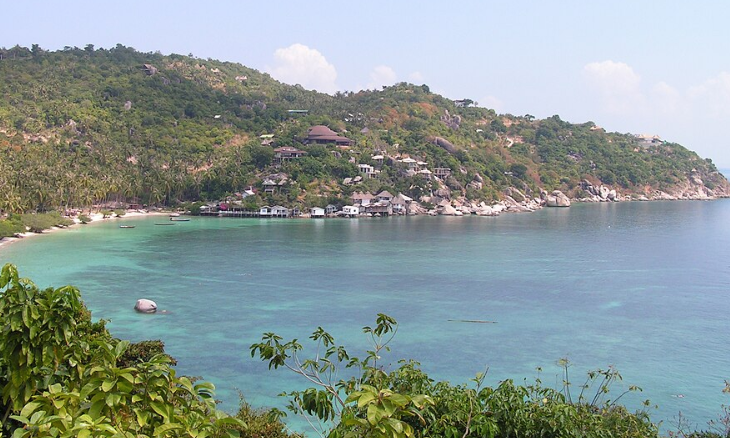
According to Agoda, smaller islands such as Koh Tao, Koh Samet, Koh Lanta and Koh Lipe recorded some of the fastest growth among Thailand's 20 most-searched destinations.
Approximately one-third of accommodation searches from travelers across Asia targeted Thai destinations outside the country's ten most popular locations.
These figures indicate growing interest in alternative destinations, although they represent accommodation searches rather than confirmed bookings or completed visits.
Established tourism centers remain popular. Bangkok, Pattaya and Phuket occupied the three leading positions in Agoda's international accommodation search data for the first half of 2026.
Among domestic travelers, Bangkok, Pattaya and Chiang Mai continued to attract considerable attention.
Domestic Tourism and Special Events
Thailand's tourism industry is also benefiting from interest in cultural festivals, sporting competitions and music events.
Agoda reported that accommodation search interest among Thai travelers for Chiang Mai increased 62 percent during the Loy Krathong and Yi Peng festivals compared with the corresponding festival week in 2025.
Searches for accommodation around the Amazing Thailand Marathon in Bangkok, scheduled for November 28 and 29, increased 18 percent.
Interest in accommodation around the upcoming Tomorrowland Thailand music festival in Pattaya also increased substantially compared with the corresponding period last year.
These trends suggest that organized events can attract visitors beyond traditional holiday periods and provide additional opportunities for local businesses.
Smaller destinations could also benefit from increased tourism spending. However, accommodating more visitors may require improvements in transportation, water supplies, waste management and environmental protection.
Thailand Expands Floating Solar Power
While tourism businesses respond to changing travel preferences, Thailand's electricity sector is pursuing a separate transformation.
EGAT is developing renewable energy infrastructure to reduce dependence on fossil fuels and support the country's climate commitments.
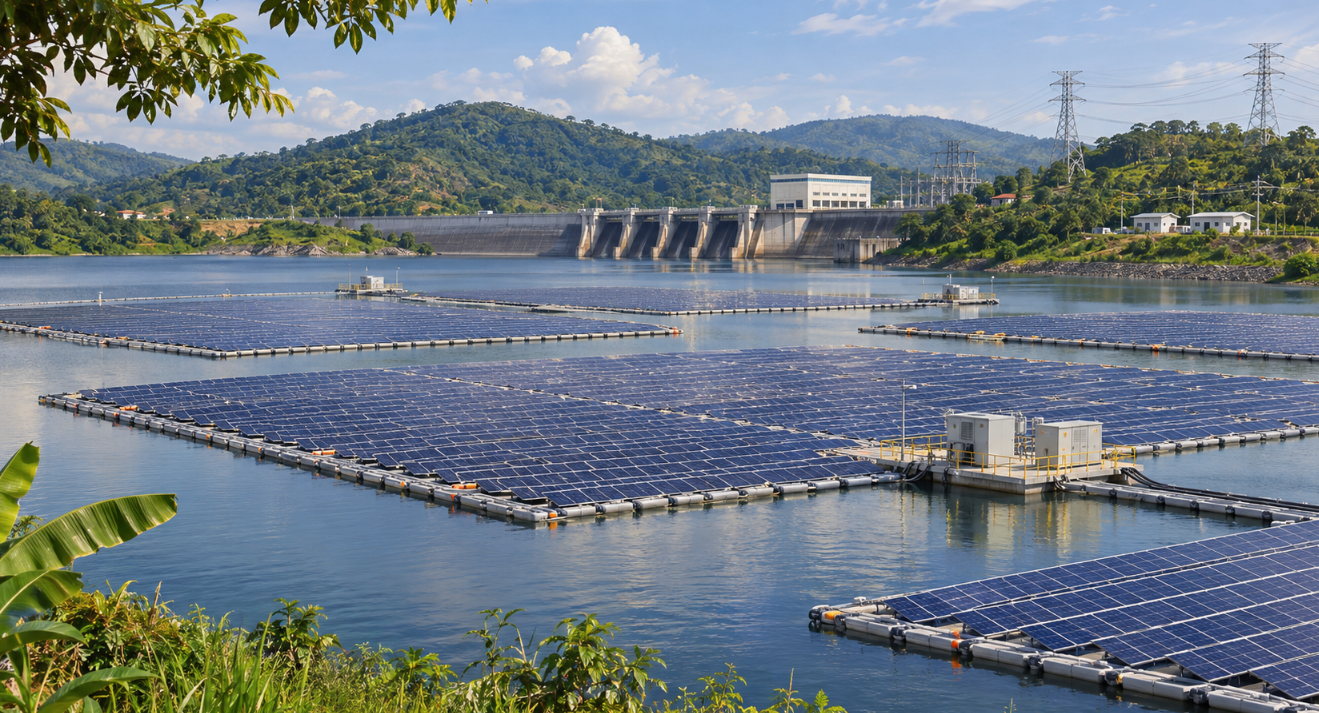
One of its major projects is the hydro-floating solar hybrid power plant at Sirindhorn Dam in Ubon Ratchathani province in northeastern Thailand.
The facility has an installed solar generating capacity of 45 megawatts. It combines floating solar panels with existing hydroelectric infrastructure.
Floating solar installations offer several advantages over conventional land-based solar farms. They can use existing reservoirs without requiring large areas of agricultural or undeveloped land.
Combining solar generation with hydropower also provides greater flexibility in electricity production. Hydroelectric generators can help compensate when solar output declines because of cloud cover or reduced daylight.
EGAT plans to expand similar projects at other reservoirs, including Bhumibol Dam and Srinagarind Dam.
Battery Storage Supports Grid Reliability
Increasing renewable energy generation creates challenges for electricity networks because solar and wind power depend on changing weather conditions.
Battery energy storage systems can help address these challenges by storing electricity when generation exceeds demand and releasing it when additional power is needed.
At a sustainability forum in Bangkok on November 25, EGAT Deputy Governor Siriwat Chedsi outlined the authority's plans to gradually reduce dependence on fossil fuels.
The strategy includes battery storage, pumped-storage hydropower and research into alternative fuels.
Pumped-storage facilities use electricity to move water into a higher reservoir when power is plentiful. The stored water can later flow through turbines to generate electricity during periods of higher demand.
These technologies could help Thailand incorporate larger quantities of renewable electricity without compromising the reliability of its national power grid.
Long-Term Development Challenges
Thailand's draft Power Development Plan for 2026 through 2050 provides a framework for the country's future electricity generation and infrastructure requirements.
The plan emphasizes renewable energy expansion alongside the need for affordable and reliable electricity.
Its implementation will require substantial investment in generation facilities, transmission networks and energy storage technology.
Tourism and electricity generation face different challenges, and the latest developments do not establish a direct connection between changing travel preferences and renewable energy investment.
Nevertheless, both sectors will play important roles in Thailand's future economic development.
As tourism businesses prepare for changing visitor preferences in 2027, EGAT is evaluating how additional renewable generation and energy storage can meet the country's long-term electricity needs.