

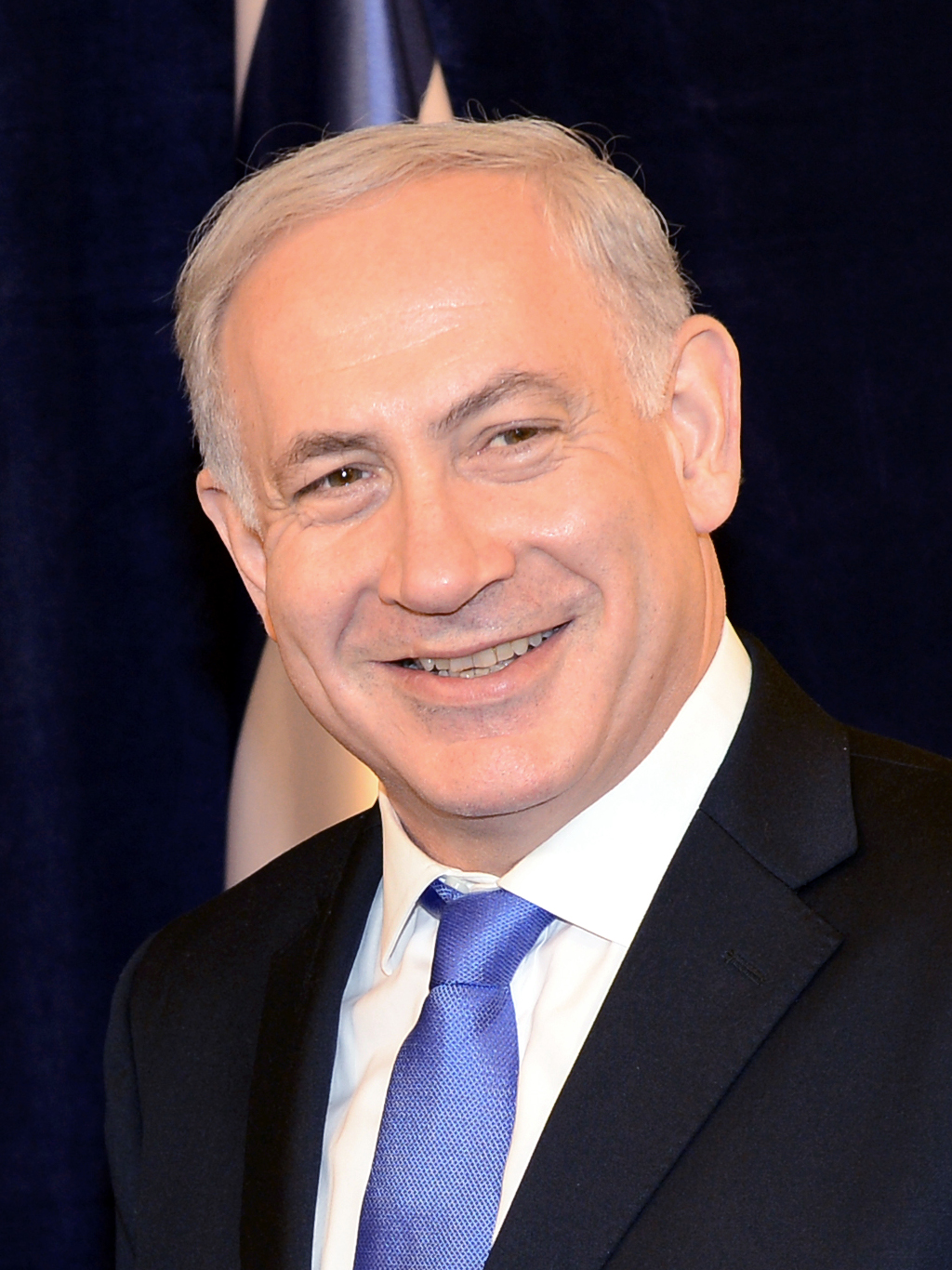
Judges overseeing Israeli Prime Minister Benjamin Netanyahu's corruption trial have recommended that prosecutors consider dropping the most serious criminal case against him. During a hearing at the Jerusalem District Court on Wednesday, November 25, 2026, the judges also questioned whether allegations in a second case constitute a criminal offense.
The three-judge panel presented its concerns directly to Attorney General Gali Baharav-Miara, who had been summoned to attend the hearing.
The recommendations represent a significant development in the trial, which began in May 2020. However, they do not constitute a verdict, and all three criminal cases against Netanyahu remain active.
Netanyahu has consistently denied wrongdoing.
Judges Question Evidence in Case 4000
The most serious allegations against Netanyahu involve Case 4000, commonly known as the Bezeq-Walla affair.
Prosecutors allege that Netanyahu made regulatory decisions benefiting telecommunications businessman Shaul Elovitch in exchange for favorable coverage on the Walla news website.
Elovitch controlled both the telecommunications company Bezeq and the news website during the period covered by the allegations.
Netanyahu faces charges of bribery, fraud and breach of trust in connection with the case.
The judges had previously expressed concerns about whether prosecutors could establish the bribery charge. Wednesday's hearing went considerably further, with the panel questioning the likelihood of a conviction on the remaining charges as well.
Presiding Judge Rivka Friedman-Feldman expressed doubts about whether the evidence established that Netanyahu received favorable treatment from Walla in exchange for regulatory decisions.
The judges also questioned whether Netanyahu was aware of the alleged preferential treatment.
These concerns affected their assessment of the broader conflict-of-interest allegations presented by prosecutors.
The panel recommended that the attorney general reconsider continuing the entire case against Netanyahu.
However, the recommendation did not extend automatically to Shaul Elovitch and his wife, Iris, who are also defendants in the proceedings.
Court Questions Criminal Basis of Case 2000
The judges expressed separate concerns about Case 2000, which involves Netanyahu's conversations with newspaper publisher Arnon Mozes.
Mozes owns the Israeli newspaper Yedioth Ahronoth. Prosecutors allege that Netanyahu discussed measures that could weaken its competitor, Israel Hayom, in exchange for more favorable news coverage.
Netanyahu faces fraud and breach-of-trust charges in connection with those discussions.
The proposed arrangement was never fully implemented.
The court questioned whether the alleged conduct and evidence were sufficient to establish a criminal offense by Netanyahu.
Rather than immediately recommending dismissal, the judges invited prosecutors to provide a more detailed legal explanation of their position.
The distinction means that prosecutors retain an opportunity to address the court's concerns before deciding how to proceed.
Case 1000 Remains a Major Legal Issue
The third criminal case against Netanyahu involves allegations that he and members of his family received expensive gifts from wealthy businessmen.
The gifts allegedly included cigars, champagne and jewelry provided by Hollywood producer Arnon Milchan and Australian businessman James Packer.
Prosecutors contend that Netanyahu used his government position to assist Milchan with certain personal and business interests.
Netanyahu has denied that the gifts constituted improper benefits and has maintained that his relationships with the businessmen were personal friendships.
Unlike their assessment of the other two cases, the judges did not express comparable doubts about the prosecution's position in Case 1000.
They indicated that much of the principal evidence had already been presented, although outstanding testimony could still be required.
The panel encouraged both sides to identify a procedural route that would allow the case to be resolved without unnecessary delay.
Netanyahu Calls for an End to the Trial
Following Wednesday's hearing, Netanyahu issued a public statement welcoming the judges' recommendations.
“This trial must end immediately,” Netanyahu said.
He reiterated his longstanding allegations that the criminal proceedings were politically motivated and that investigators had pressured witnesses to provide false testimony.
Those accusations remain disputed.
Attorney General Baharav-Miara defended the work of the prosecution and said she would examine the judges' concerns.
She also indicated that the prosecution remained willing to consider a negotiated agreement that appropriately reflected the alleged conduct and criminal offenses.
Netanyahu's defense attorney, Amit Hadad, proposed criminal mediation as a possible means of resolving the proceedings.
No agreement was announced following the hearing.
Former Prosecutor Defends Remaining Evidence
Former deputy state attorney Nurit Litman, who worked on the Netanyahu investigations, told The Times of Israel that the prosecution should independently assess whether the evidence continues to satisfy the legal requirements for pursuing criminal charges.
Litman maintained that evidence concerning the relationship between Netanyahu and Elovitch could remain relevant to allegations of fraud and breach of trust, even if the bribery charge proved difficult to establish.
The judges' assessment does not legally require prosecutors to withdraw the charges.
Prosecutors must now consider whether to continue presenting their case, revise the charges or pursue an agreement with the defense.
Potential Consequences of a Plea Agreement
A negotiated settlement could reduce the time required to complete the proceedings. However, reaching an agreement would require both sides to accept its terms.
The judges' concerns about Cases 4000 and 2000 could also influence Netanyahu's willingness to accept a plea agreement involving Case 1000.
Any agreement resulting in a criminal conviction could raise separate questions about Netanyahu's eligibility to remain in public office.
Under Israeli law, a conviction involving moral turpitude can have significant consequences for elected officials. The specific consequences depend on the offense, the court's determination and applicable legal provisions.
A recommendation to withdraw charges does not establish innocence or guilt. Similarly, a negotiated agreement would require consideration of its specific legal terms.
Trial Continues After More Than Six Years
Netanyahu's criminal trial began in May 2020 and has continued through multiple elections and changes in Israel's political circumstances.
Wednesday's hearing came after Netanyahu completed his testimony, providing the judges with an opportunity to reassess the progress of the proceedings.
The panel emphasized that its recommendations reflected the evidence presented so far rather than a final determination of the criminal charges.
As of November 26, the attorney general had not announced a decision to withdraw the charges against Netanyahu. The prosecution's response will help determine whether the proceedings continue toward a verdict or move toward a negotiated resolution.