The announcement came on a Friday. Three words from Iran's foreign minister, Abbas Araghchi, posted on X: the Strait of Hormuz was "completely open" to all commercial vessels. Within hours, oil prices fell off a cliff, Wall Street erupted in its best week since Halloween, and world leaders began phoning each other with carefully worded praise.
It was, briefly, a brilliant moment.
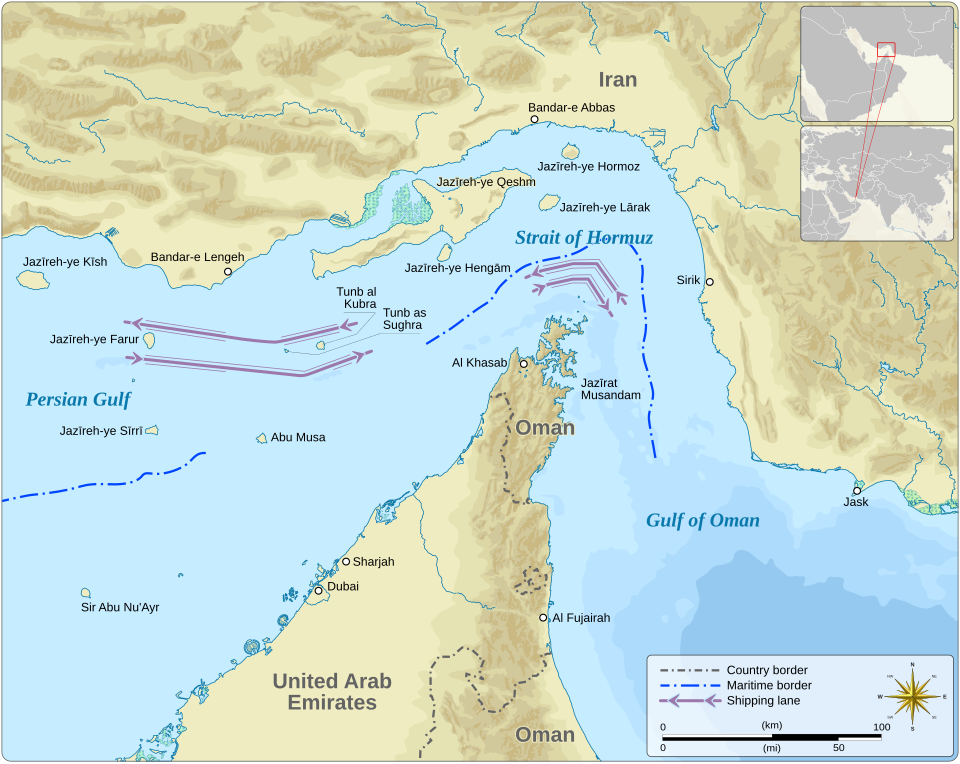
The strait — a narrow chokepoint through which roughly a fifth of the world's oil supply passes — had been effectively shuttered for nearly two months amid the grinding U.S.-Iran conflict. The disruption sent Brent crude soaring past $100 a barrel and rippled through grocery prices, fuel costs, and the broader global economy. Now, with a single post, Araghchi signaled that the passage was open again, at least for the duration of a fragile ceasefire.
Markets didn't wait for details. The S&P 500 jumped 1.3%. The Dow climbed nearly 1,070 points at its peak, settling around 978 points higher by late morning. The Nasdaq followed close behind, up 1.6%. U.S. crude tumbled 10.8%, hitting $81.38 a barrel — a dramatic reversal for a commodity that had been squeezing consumers at every turn.
But the celebration had cracks running through it almost immediately.
President Trump called it a "brilliant day for the world" and claimed Iran had agreed never to close the strait again. That claim has not been independently verified. He also made clear the U.S. naval blockade of Iranian ports would remain fully in place until, in his words, "our transaction with Iran is 100% complete." The contradiction — open strait, closed ports — was not lost on Tehran.
Iran's parliamentary speaker, Mohammad Bagher Ghalibaf, was blunt. Trump had made "multiple false claims," he said. And the strait, Ghalibaf warned, "will not remain open" if the blockade continued. The goodwill was already curling at the edges.
World leaders stepped carefully into the gap. UN Secretary-General António Guterres called the reopening "a step in the right direction," while urging the "full restoration of international navigational rights and freedoms in the Strait of Hormuz, respected by everyone." Keir Starmer and Emmanuel Macron, who co-chaired a virtual summit of roughly 50 nations on the issue, said the reopening had to become permanent — not a pause, not a gesture, but a durable commitment.
Trump, meanwhile, told AFP there were no "sticking points" left in negotiations with Iran. Perhaps that's true. Perhaps it's not. The gap between what Washington says happened and what Tehran says happened has been a defining feature of this conflict from the start.
What is certain: the strait is open today. Oil is flowing. Markets are breathing easier. Whether any of that holds through next Wednesday, when the ceasefire expires, is the only question that matters now.