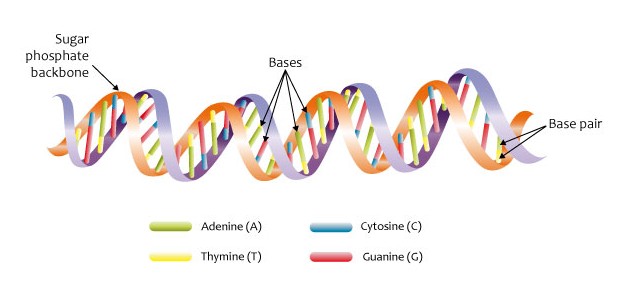
In a breakthrough that blends biology with principles borrowed from modern cybersecurity, researchers have developed a DNA-based “combination lock” system designed to tightly control engineered cells. The innovation could significantly improve the safety of synthetic biology applications—from targeted therapies to environmental bioengineering—by ensuring cells only activate under precise conditions.
A New Layer of Biological Security
Engineered cells are increasingly used in medicine and industry. Scientists can program them to detect disease, produce drugs, or break down pollutants. But with that power comes risk: once released into the body or environment, these cells must behave predictably and safely.
The newly developed DNA “combination lock” addresses this challenge by requiring multiple biological “keys” to be present before a cell activates a specific function. Much like entering the correct code to unlock a secure system, the engineered DNA circuit only triggers when the correct sequence and combination of inputs are detected.
This approach adds a powerful safeguard. Instead of responding to a single signal—which could occur unintentionally—the cell requires a precise set of conditions, dramatically reducing the chance of accidental activation.
How the Lock Works
At the core of the system are carefully designed DNA sequences that act as regulatory switches. These sequences are arranged so that gene expression—essentially turning a function “on”—only occurs when multiple inputs are present in the correct order or combination.
These inputs can include:
- Specific molecules or metabolites
- Environmental signals (such as pH or temperature)
- Cellular markers unique to certain tissues or disease states
Only when all required inputs align does the system unlock, allowing the engineered cell to carry out its programmed task.
Cybersecurity Meets Synthetic Biology
The concept mirrors multi-factor authentication used in digital security. Just as logging into a secure system might require a password, a code, and biometric verification, these engineered cells require multiple biological confirmations.
This layered approach offers several advantages:
- Precision targeting: Cells can be programmed to activate only in very specific environments, such as tumor tissue.
- Reduced off-target effects: Minimizes unintended activity in healthy cells.
- Improved containment: Prevents engineered organisms from functioning outside controlled conditions.
By thinking of biological systems in terms of security architecture, researchers are building more robust and trustworthy tools.
Potential Applications
The DNA combination lock could have wide-ranging uses:
Medicine
Engineered immune cells could be designed to attack cancer only when multiple tumor-specific signals are present, reducing damage to healthy tissue.
Gene Therapy
Therapeutic genes could remain inactive until the exact disease signature is detected, improving safety profiles.
Environmental Science
Microbes designed to clean pollutants could be restricted to operate only in contaminated environments, preventing ecological disruption.
Biomanufacturing
Industrial microbes could be programmed to produce valuable compounds only under tightly controlled conditions, improving efficiency and safety.
Looking Ahead
While still under active development, the DNA “combination lock” represents a shift in how scientists think about controlling living systems. Instead of simple on/off switches, future bioengineered systems may rely on complex logic—more akin to secure computing systems than traditional biology.
As synthetic biology continues to expand, innovations like this will play a key role in ensuring that engineered organisms remain both effective and safe.