Modern parents know the fragility of a newborn. New research suggests that experience stretches back hundreds of thousands of years, deep into the lineage of archaic humans.
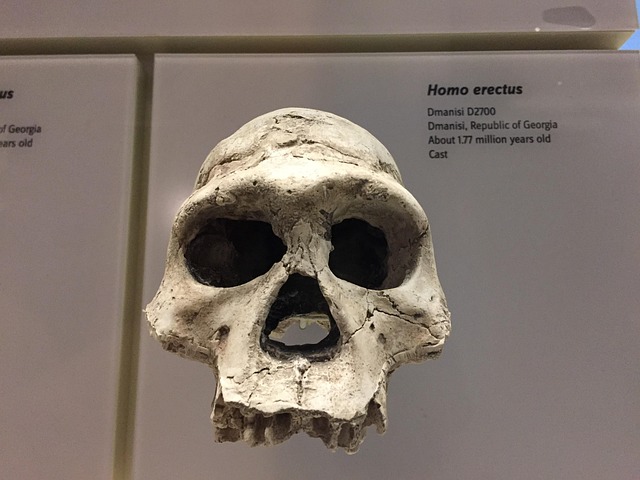
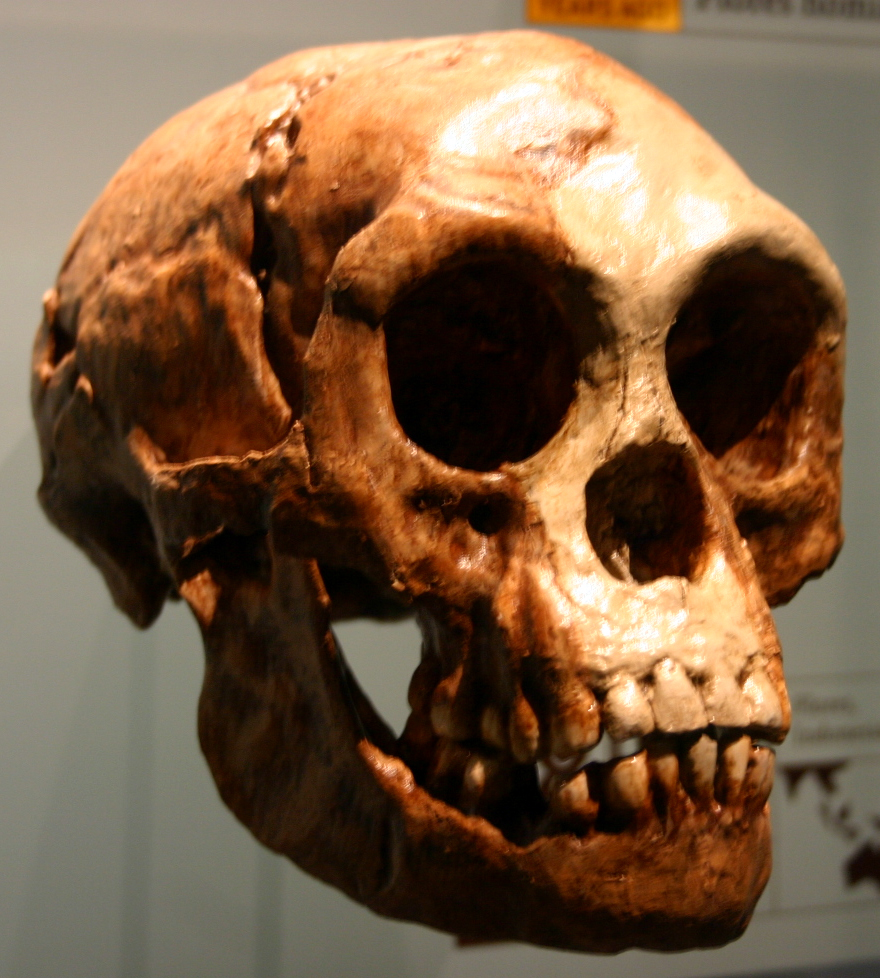
A team led by Yousuke Kaifu at the University of Tokyo studied skull shapes from living infants, historical Japanese skeletal remains, fossilized specimens of Homo erectus and Homo floresiensis, and dry skulls from other great apes. They found that archaic human skulls showed the same wide range of cranial deformation seen in modern humans today. The work was published in Proceedings of the Royal Society B: Biological Sciences.
According to Phys.org, that pattern of deformation is the key to the finding. The condition, called deformational plagiocephaly or flat head syndrome, happens when a baby's soft skull bones are reshaped by repeated pressure from lying in the same position. It occurs precisely because human newborns have weak neck muscles and cannot control the position of their own heads.
Kaifu explained the logic behind using skull shape as a measure of infant helplessness. "Our method looks for changes in the shape of the cranium (the top part of the skull) that occurred around or soon after birth and remained to some extent into adulthood," he said. "Nowadays, this is a common condition, called deformational plagiocephaly. The shape of the head is affected by the baby lying in the same position frequently because of how they are held or laid down, and because the baby's neck muscles are too weak to control the position of the head."
The research was partly inspired by a visit Kaifu made in 2007 to a Homo floresiensis skeleton in Indonesia. He noticed the skull had an unusual deformed shape and, based on its bone structure, concluded the deformation happened after birth rather than during fetal development. He later contacted a hospital clinician who identified the cause as deformational plagiocephaly.
That discovery prompted a broader investigation. Fossils of archaic humans are rarely infants, which has made it hard to study early human development directly. But Kaifu's approach sidesteps that problem entirely by looking for traces of infant experience that persist into adulthood.
Other great apes do not show the same range of skull deformation. Their newborns are born more developed, with stronger neck muscles and less rapid post-birth brain growth. They are not held or laid down in the same constrained positions that human infant care requires. That difference is what makes the deformation pattern meaningful as a signal.
One longstanding theory, called the obstetrical dilemma, argues that human infants are born helpless as a trade-off between walking upright and having large brains. Walking upright narrows the birth canal, which limits how large a baby's head can be at birth. To compensate, human brains continue developing rapidly after birth, but that means infants arrive in the world far less capable than other ape newborns.
The new skull evidence places that trade-off, and the intensive parenting it demands, much further back in human evolutionary history. The researchers argue the findings have implications not just for infant care but for the origins of cooperative social behavior. Raising a helpless infant requires sustained effort, and that effort may have encouraged the kind of group cooperation that helped define early human societies.