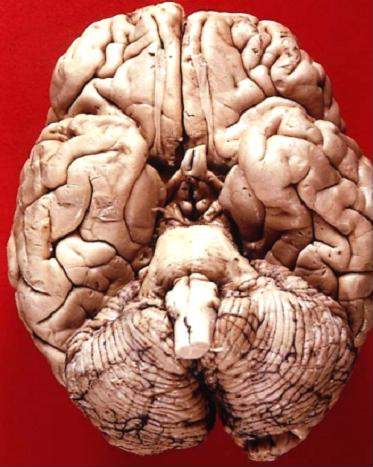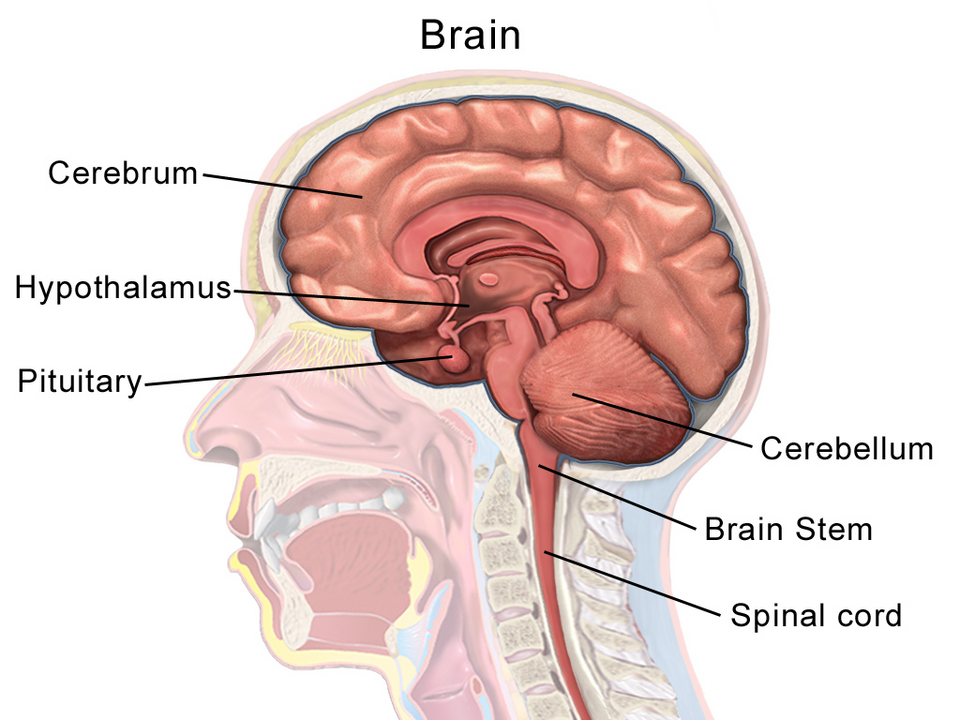
Americans overwhelmingly support autism research, but most have no clue about one of its most essential ingredients: donated brain tissue. A new survey from Autism BrainNet reveals a stark gap between public enthusiasm for understanding autism and awareness of the process that makes such research possible.
According to the survey, reported by Science Daily, 92 percent of respondents said analyzing the autistic brain is extremely or very important. Yet 70 percent had never heard of brain donation. Unlike organ donation, which more than 80 percent of respondents were familiar with, brain donation requires a completely separate registration process — a fact only 15 percent of those surveyed understood.
"For researchers who study autism and related neurodevelopmental conditions, postmortem brain tissue is a critical scientific resource that cannot be replicated by artificial intelligence, imaging technologies, or even animal experiments," said David G. Amaral, scientific director of Autism BrainNet and a distinguished professor at UC Davis.
Confusion runs deep. Fewer than half of respondents knew that brain donation must occur within hours of death, not days or weeks later. Some even believed donation could happen while a person is still alive. Nearly a third incorrectly thought that having conditions like autism or epilepsy would disqualify someone from donating — when in fact, brains from people with these conditions are among the most valuable to researchers.
The survey, conducted in late February and early March 2026 with just over 1,000 participants, underscores a communication challenge. Autism BrainNet says its goals include not only facilitating high-quality research but also increasing public comfort with planning for brain donation before a time of loss.