Flowers are pretty. They're also, according to a compelling new book, among the most transformative forces in the history of life on Earth.
In *How Flowers Made Our World*, biologist David George Haskell of Emory University makes the case that flowering plants — known scientifically as angiosperms — didn't just decorate the planet. They reshaped it. When they evolved and diversified during the late dinosaur era, flowering plants radically altered ecosystems, enabled the evolution of entirely new traits in other organisms, and laid the foundation for rainforests, grasslands, honeybees, and ultimately humans. "The Earth is a floral planet," Haskell writes.
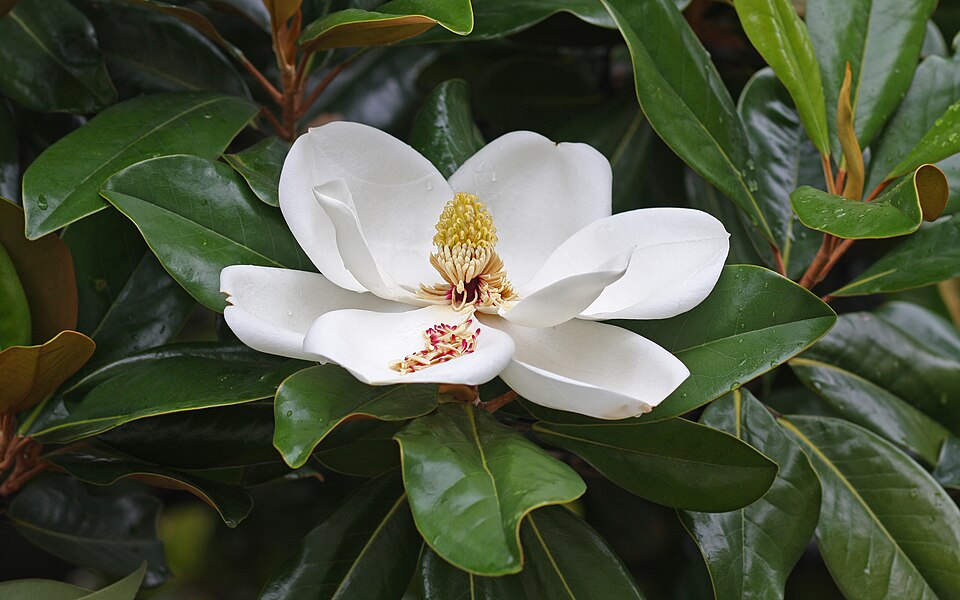
The book moves through eight chapters, each built around a specific flower. It opens with the magnolia, whose blooms have remained virtually unchanged for 100 million years, offering a living window into the earliest angiosperms. From there, Haskell turns to goatsbeard to illustrate the remarkable evolutionary creativity of flowering plants — driven, he argues, by repeated duplications of chunks of their genomes that created vast reservoirs of genetic raw material.
As reviewed by New Scientist, Haskell takes aim at what he sees as a deep cultural misconception. In many Western societies, flowers are dismissed as "weak and merely ornamental," associated with femininity and fragility. Men refuse cocktails garnished with flowers, he notes, yet happily drink beer — which is itself made from flowering plants. The irony is hard to miss.
Haskell, whose previous book *Sounds Wild and Broken* explored animal songs and the threats of noise pollution, brings the same passion to this subject. His writing draws on personal experience — tending his garden, joining habitat restoration projects — and conveys a genuine sense of wonder at the organisms most people walk past without a second glance. For anyone who has ever underestimated a daisy, this book makes a persuasive case for reconsidering.