The wheat that feeds billions of people today was once a brawler. New research shows that when humans first began planting crops thousands of years ago, they unknowingly triggered an evolutionary arms race that turned wheat into an aggressive "warrior" — and modern breeders have spent decades trying to reverse the damage.
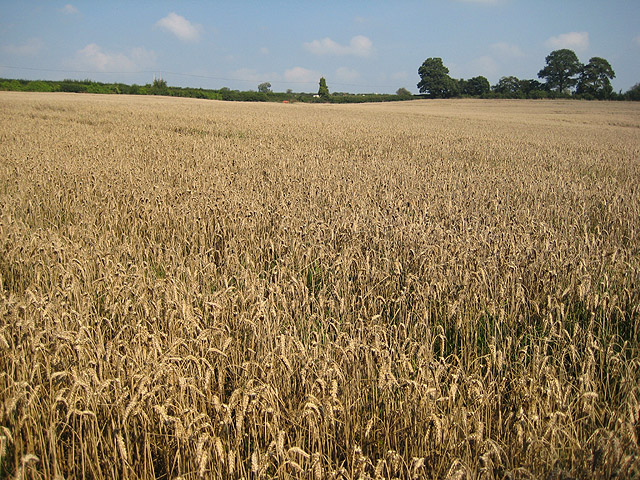
The study, published in Current Biology and led by researchers at the University of Sheffield, used computer modeling to simulate how wheat responded to early cultivation. As Science Daily reported, planting seeds in organized fields created intense competition for sunlight and space. Over roughly 1,000 to 2,000 years, plants that could outgrow their neighbors thrived, developing larger leaves, more upright growth, and the ability to keep pushing skyward even when surrounded.
Leaf angle turned out to be especially important. Plants with steeper, more vertical leaves could rise above competitors during early growth stages, capturing sunlight while casting shade on rivals below. These physical traits gave domesticated wheat a significant edge over its wild ancestors, which had not evolved under the same competitive pressures.
But what helped wheat survive in ancient fields has become a liability in modern agriculture. "While evolution has favored strong competitors, modern farming packs crops tightly into fields for high yields," said Professor Colin Osborne of the University of Sheffield. "This practice needs crops that are able to cooperate not compete." Today's elite wheat varieties have been deliberately bred to be less aggressive, with traits that allow dense planting without one plant starving its neighbors of light.
The research offers more than a history lesson. Understanding the evolutionary forces that shaped crop traits could help plant breeders design future varieties better suited to changing agricultural conditions — whether that means denser planting, reduced herbicide use, or adapting to new climates. The warrior wheat of antiquity did its job. Now scientists are learning from its playbook to build something different.